
Are Solar Power Stations Safe?
Lithium-Ion vs LiFePO4 Fire Risks Explained
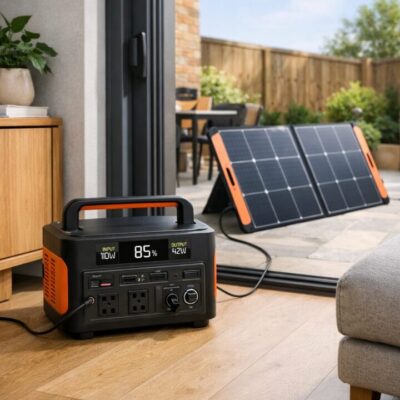
For modern property owners and off-grid planners, these headlines present a serious query regarding whether high-capacity power units can be operated safely inside residential living areas.
Quick Navigation Menu: What's Inside This Guide Click to Open
- 1. Battery Safety and UK Fire Statistics
- 2. Lithium-Ion vs LiFePO4 Chemistry
- 3. Smart Buyer Verification Checklist
- 4. Emergency Action Plan Protocols
- 5. Keeping Clear Home Escape Routes
- 6. Crucial Charging Zone Protection Upgrades
- 7. Recommended Smoke Alarms
- 8. Recommended Carbon Monoxide Alarms
- 9. Still Worried? Daily Safety Management
- 10. Frequently Asked Questions Hub
Addressing the Headlines:
Why Everyone Is Talking About Lithium Battery Safety
The Reality Behind Recent UK Battery Fire Statistics
| Metric / Safety Indicator | Current Framework Impact |
|---|---|
| UK Fire Service Callout Trends | Emergency callout metrics show multiple lithium battery incidents are recorded daily by major UK fire authorities. |
| New Fire Classification | The formal introduction of Class L fire standards under British safety frameworks specifically segregates battery hazards from classic electrical risks. |
| Primary Risk Drivers | Substandard manufacturing, uncertified third-party chargers, and physical punctures to structural cell walls. |
Understanding Thermal Runaway in Rechargeable Power Supplies
The destructive force behind these headlines is a chemical chain reaction known as thermal runaway. This occurs when an internal failure, caused by overcharging, physical impact, or manufacturing defects, generates heat faster than the battery can dissipate it.
Inside the Cell: How Thermal Runaway Escalates
1. Internal Breakdown: The Solid Electrolyte Interphase layer inside the battery cell destabilizes due to overheating or mechanical stress.
2. Venting Gas: The volatile liquid electrolyte boils, building massive internal pressure and venting highly toxic, flammable gases including hydrogen fluoride.
3. Self-Sustained Ignition: Internal temperatures spike rapidly past critical thermal thresholds, releasing oxygen directly from the cathode structure which feeds an unstoppable, self-sustaining fire.
Traditional Lithium-Ion vs. The New LiFePO4 Chemistry
What is a Standard Lithium-Ion (NMC) Battery?
What is a Lithium Iron Phosphate (LiFePO4 / LFP) Battery?
| Technical Specification | Standard Lithium-Ion (NMC) | Lithium Iron Phosphate (LiFePO4) |
|---|---|---|
| Thermal Breakdown Threshold | Roughly 200°C to 250°C | Exceeds 600°C |
| Average Lifespan Cycles | 500 to 1,000 Full Discharges | 3,000 to 6,000 Full Discharges |
| Catastrophic Failure Risk | Releases internal oxygen during structural failure, fueling its own fire. | Does not release internal oxygen, preventing explosive self-ignition. |
The Fire Safety Showdown: Which Lithium Technology Wins?
When comparing the two technologies under fire safety conditions, LiFePO4 chemistry wins by a significant margin. Because standard lithium-ion batteries degrade more quickly, their internal components wear down with regular usage, making older packs increasingly unstable over time. On the other hand, the iron phosphate structure degrades so slowly that the battery remains highly stable across thousands of charging cycles.
More importantly, if a LiFePO4 battery cell experiences an extreme electrical short or physical puncture, it does not release internal oxygen during the failure. Because it lacks a built-in oxygen source to feed a fire, it will typically smoke or vent heat without transitioning into a violent, explosive thermal runaway sequence. If you are charging or storing a high-capacity power supply inside a living area or attached garage, choosing a device built with LiFePO4 chemistry provides a crucial line of defense against domestic fire hazards.
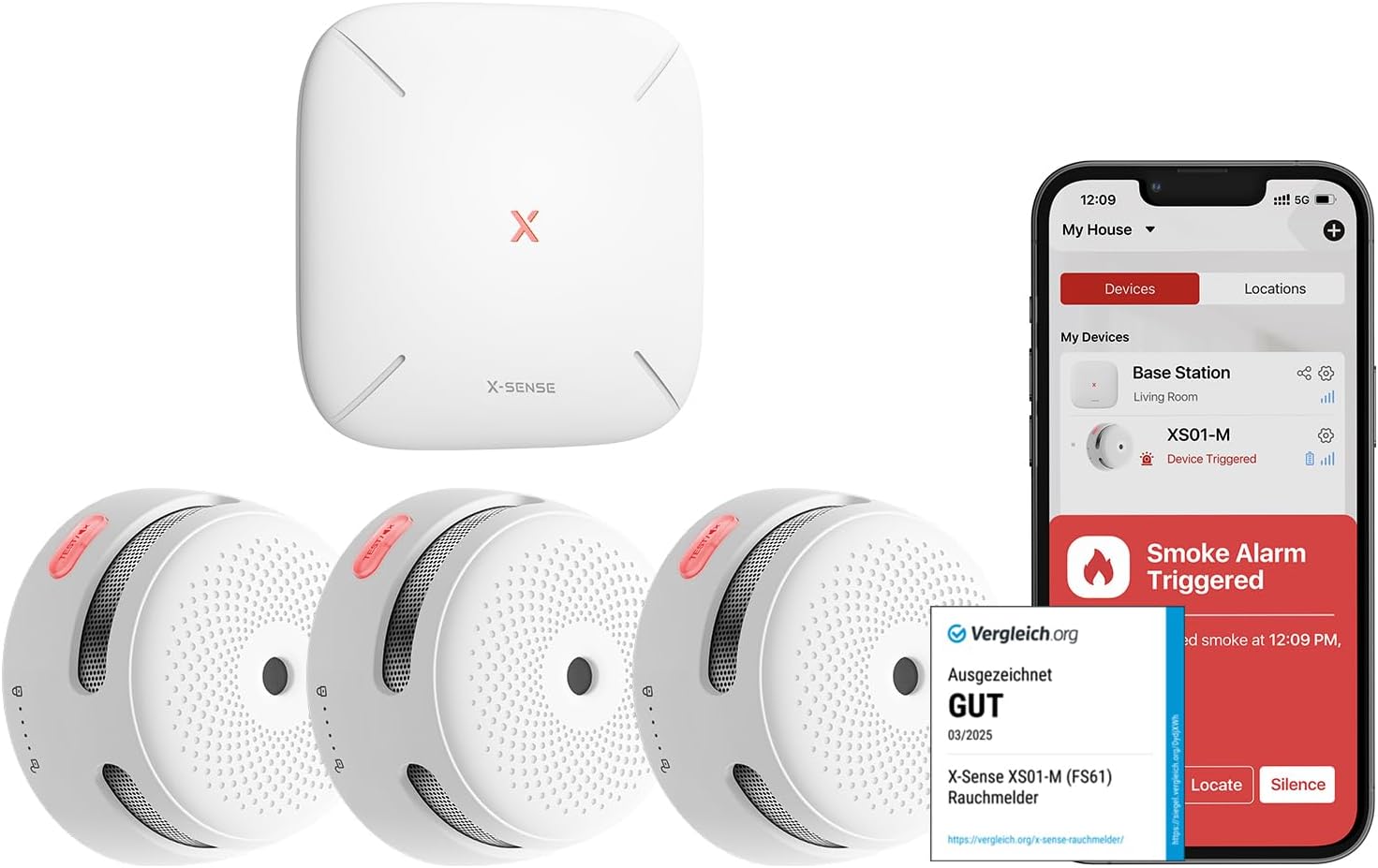
X-Sense Wi-Fi Smoke Alarms for Home
A comprehensive multi-room kit including interlinked wireless photoelectric smoke alarms. Sends immediate app alerts to your phone if any single sensor registers a threat.
Smart Buyer’s Checklist:
How to Verify Your Power Station Before Buying
Avoid Cheap Ion Traps:
Scanning the Battery Specifications
Verifying the Battery Management System (BMS) Protocols
Three Steps to Verify Your Battery Purchases
2. Check Safety Certification Markings: Ensure the device has valid safety markings like UKCA or CE. This confirms the machine has been independently evaluated to meet national consumer electrical safety laws.
3. Research the Manufacturer's Background: Avoid buying high-capacity batteries from generic, newly created merchant brands. Established manufacturers offer accessible customer help channels, transparent warranty rules, and downloadable testing certificates.
Emergency Action Plan:
What to Do in the Event of a Lithium Battery Fire

Lithium Ion Battery Fire Extinguisher 500ml
Firechief Aerosol Lith-Ex. A compact, portable extinguisher deployment system designed to intercept initial cell breakdown points on smaller personal devices, tablets, and mobile equipment banks.
| Action / Stage | Critical Safety Protocol |
|---|---|
| Early Warning Signs | If a device begins hissing, bulging, or emitting a sweet, metallic chemical odor, immediately clear the area and prepare to evacuate. |
| Evacuation Protocol | Do not waste time gathering personal items. Leave the building immediately and ensure nobody re-enters under any circumstances. |
| Suppression Realities | Standard domestic fire extinguishers like ABC powder or water will not stop thermal runaway. Specialized containment or professional intervention is mandatory. |
Choosing an authentic LiFePO4 system with an active, certified BMS minimizes the baseline risk of electronic hardware failure, ensuring peace of mind whenever you connect solar panels or leave appliances charging overnight.
Protecting Your Exit:
Best Practices for Keeping Escape Routes Clear
Why You Must Never Charge Power Stations in Hallways or Corridors
When setting up a charging routine for portable power stations or solar storage banks, the physical location of the plug socket matters just as much as the battery chemistry.
A primary finding across UK fire safety investigations is that placing high-capacity charging devices in main hallways, landings, or near front doors creates an immediate risk to life during a failure.
Because lithium battery fires escalate to peak intensity within less than a minute, a device failing in a corridor will rapidly fill the primary escape route with thick, toxic smoke and intense heat.
This effectively traps occupants inside bedrooms or living spaces, cutting off their only safe way out of the property before emergency services can arrive.
X-Sense Wi-Fi Smoke Alarms for Home
A comprehensive multi-room kit including interlinked wireless photoelectric smoke alarms. Sends immediate app alerts to your phone if any single sensor registers a threat.
Strategic Charging: Choosing a Safe Zone in the Home
To maintain a safe home environment, you must establish a dedicated charging area completely isolated from your family exit pathways. Ideal locations include a detached garage, an external outbuilding, or a utility room featuring a solid fire door that remains closed. If you must charge a power station inside a main house or flat, select a room with an openable window that is not a primary walkthrough zone. Ensure the device sits on a flat, non-combustible surface like a concrete floor or a stone tile, completely away from soft furnishings, curtains, or stacked cardboard boxes.
Home Charging Location Safety Rules
2. Clear the Front Door Path: Keep the area around your main entrance door entirely free of high-energy electronic devices to guarantee an unblocked exit.
3. Utilize Internal Closed Doors: Charging inside a room with a heavy, closed internal door buy occupants vital extra minutes by stopping the rapid spread of smoke.
By separating your high-energy equipment from your household exit routes, you ensure that even in a worst-case electrical breakdown scenario, everyone inside the building can escape safely.
Creating a Fire-Safe Charging Zone:
Crucial Home Protection Upgrades
Still Worried?
Build Your Fire-Safe Home Charging Zone Today
Turn Battery Anxiety into Home Security
Early Warning Smoke Detection Systems for Charging Areas
| Product Image | Category Tier | Product Details & Key Safety Specifications | Purchase Option |
|---|---|---|---|
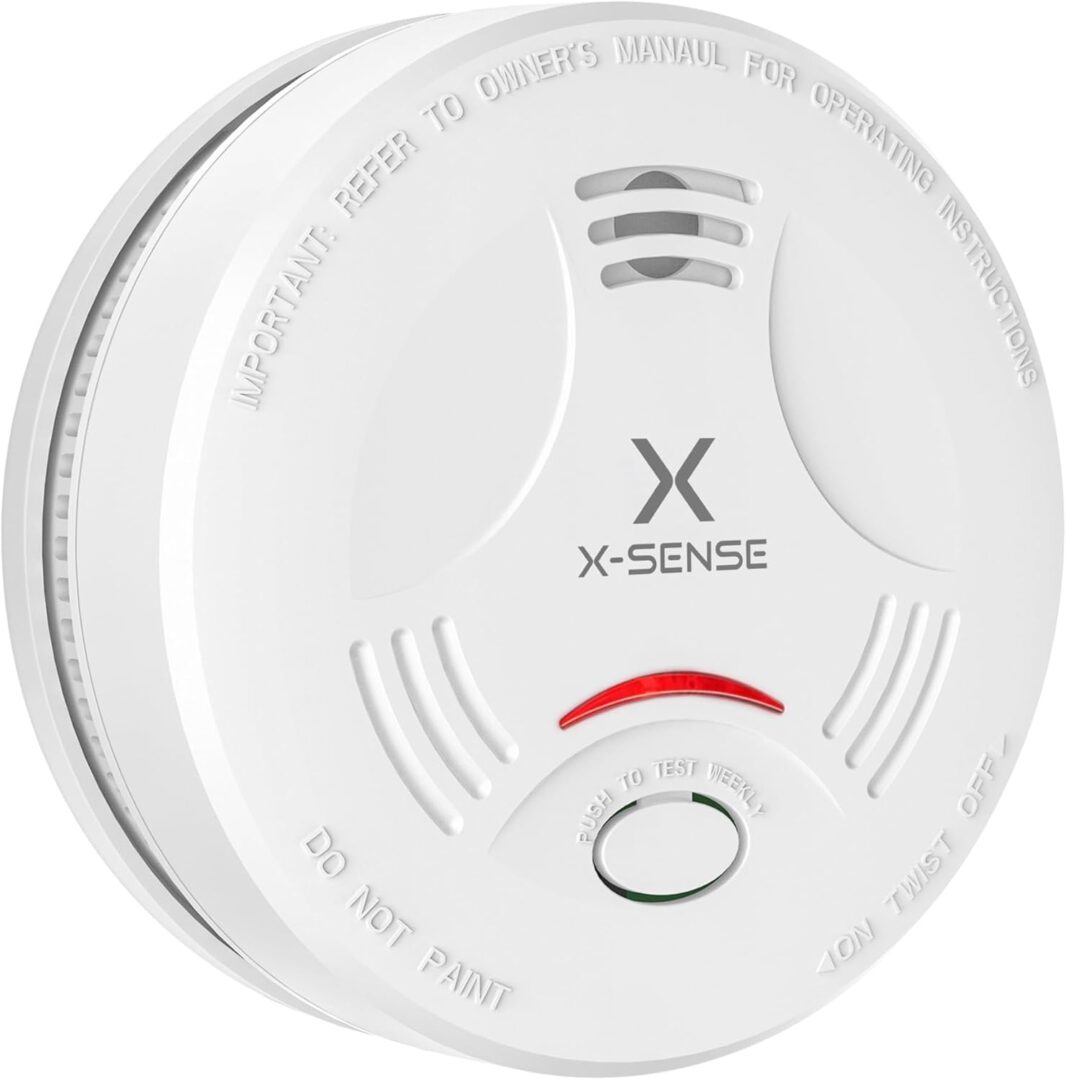 | Budget Choice | X-Sense Smoke Detector Features a 10-year sealed lithium battery and a highly responsive photoelectric sensor designed to detect smouldering electrical fires early. Fully EN 14604 certified. | View Product |
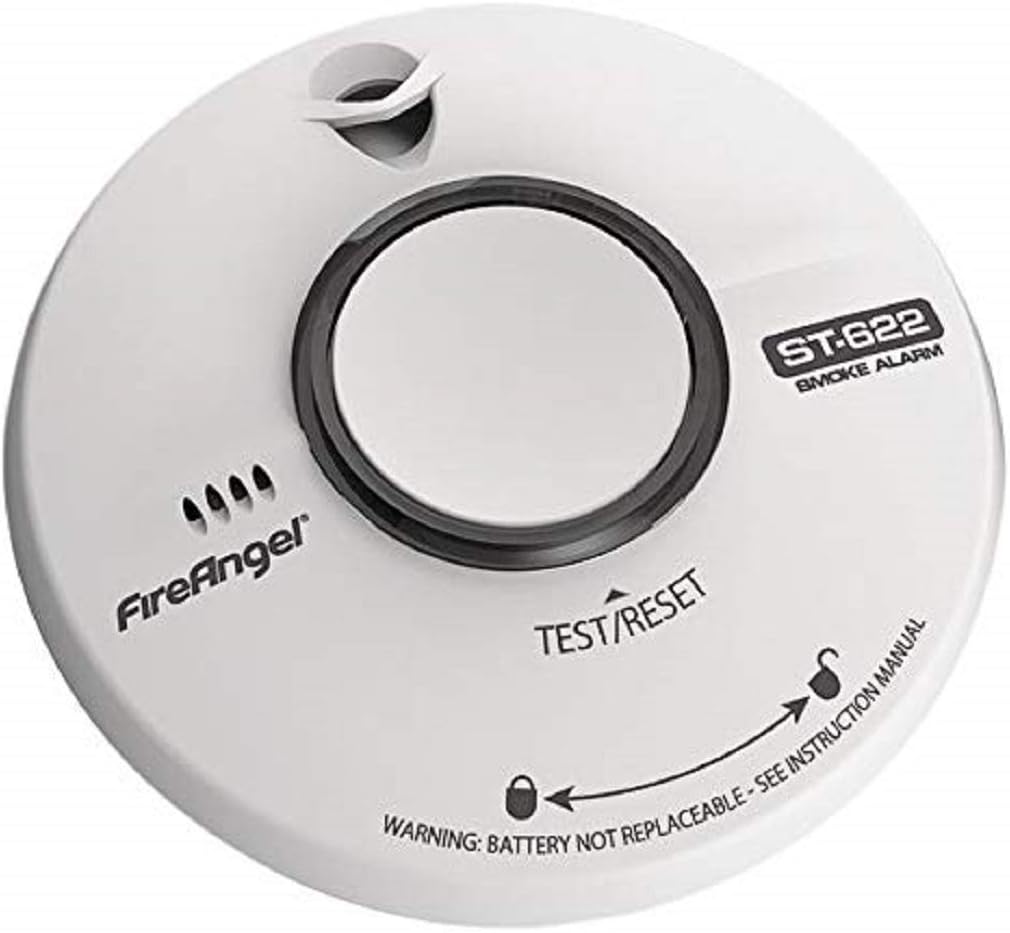 | Best Value | FireAngel ST-622T Thermoptek Alarm Utilises advanced multi-sensor optical technology with thermal enhancement to reduce false alarms while maintaining maximum speed against authentic fires. Includes a 10-year sealed battery. | View Product |
 | Premium Choice | Google Nest Protect Smoke Alarm And Carbon Monoxide Detector (Battery). Equipped with an advanced split-spectrum sensor to pick up both fast and slow-burning fires alongside voice notifications. | View Product |
| | Top Smart System | X-Sense Wi-Fi Smoke Alarms for Home A comprehensive multi-room kit including interlinked wireless photoelectric smoke alarms. Sends immediate app alerts to your phone if any single sensor registers a threat. | View Product |
Carbon Monoxide Alrams for maximum Security and Peace of Mind
| Product Image | Category Tier | Product Details & Key Safety Specifications | Purchase Option |
|---|---|---|---|
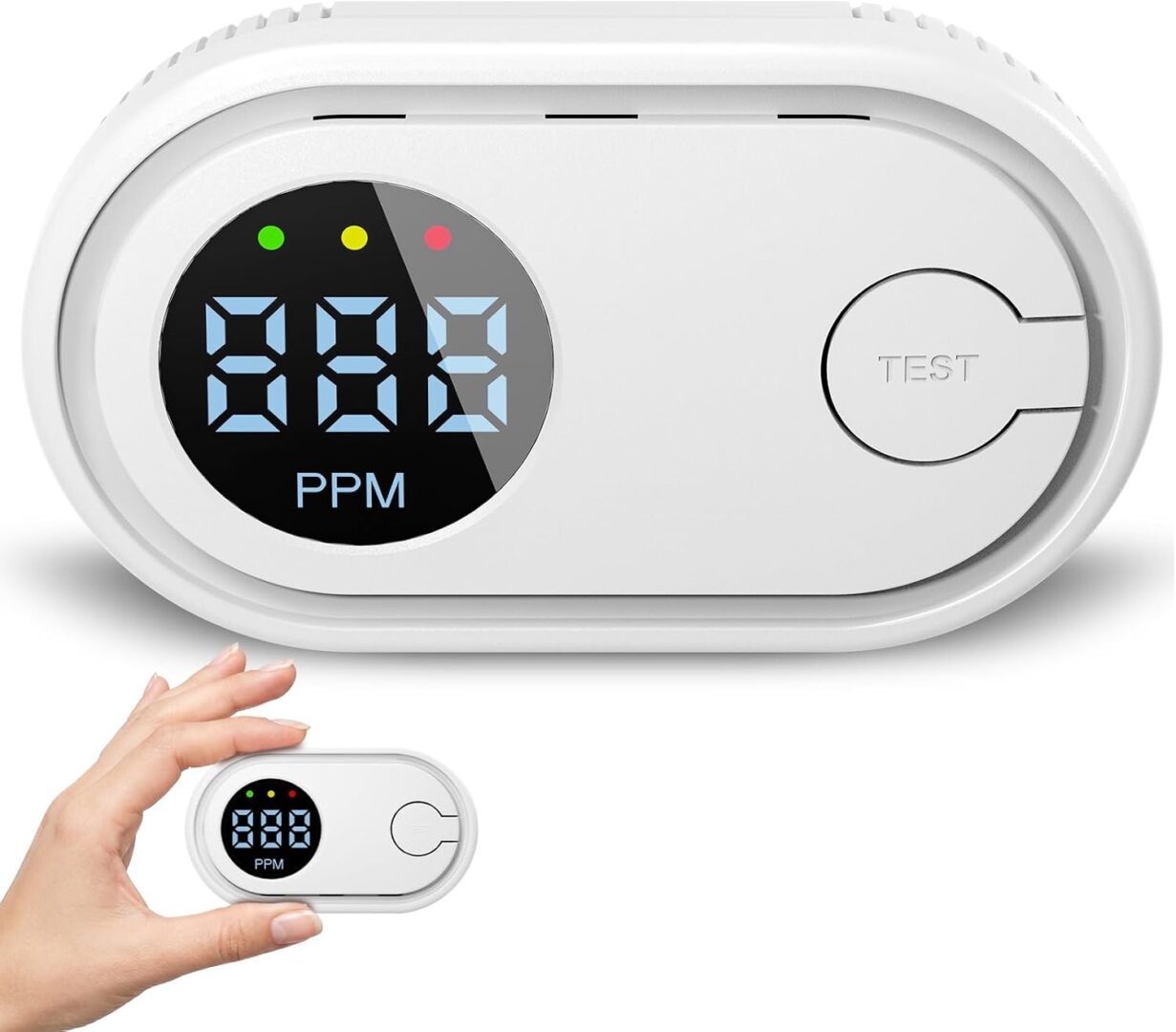 | Budget Choice | Carbon Monoxide Detector Battery Powered CO Alarm with LED Digital Display. A highly portable, compact electrochemical sensor design featuring an 85dB audible alert pattern. Dual freestanding or wall-mounted options. | View Product |
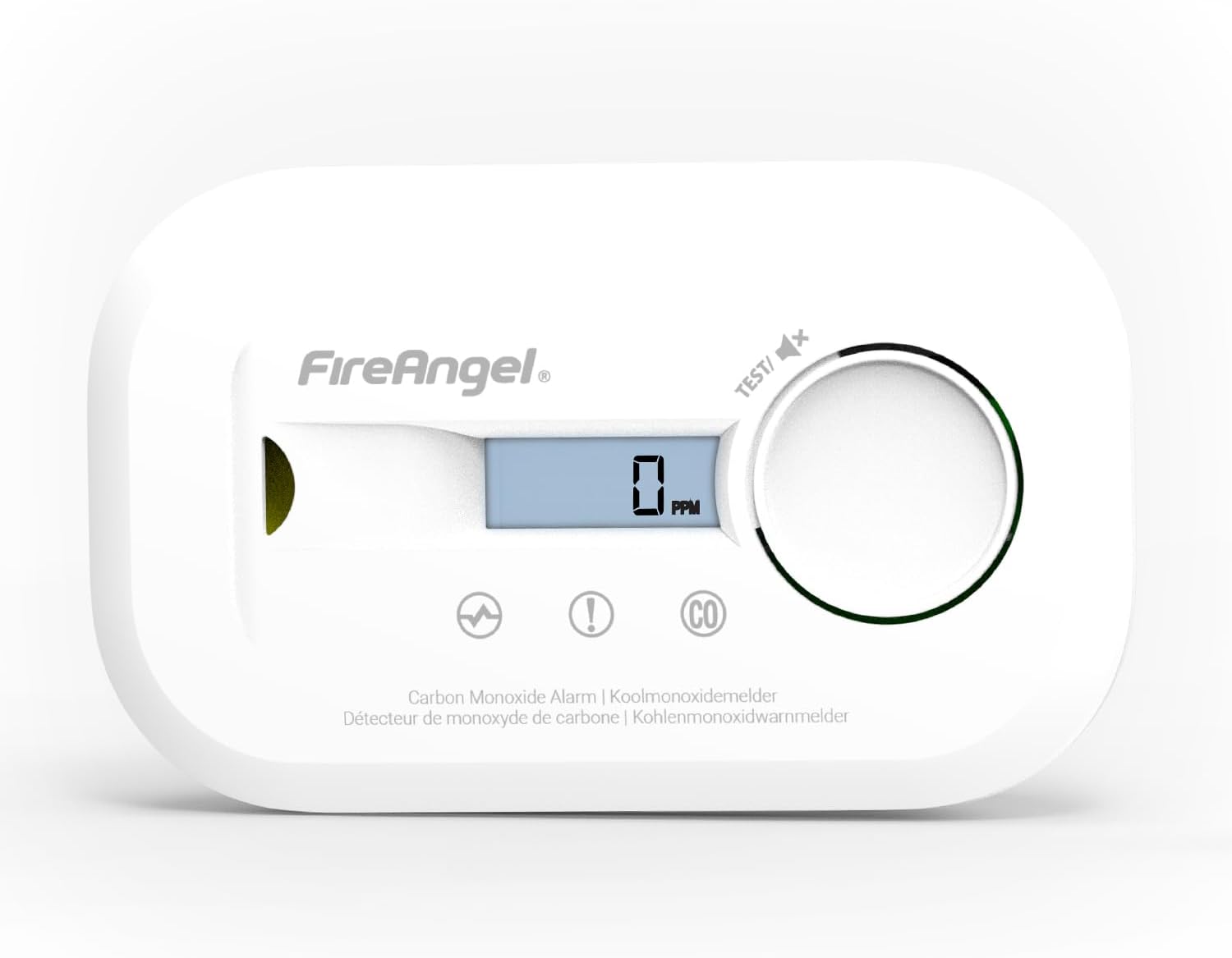 | Best Value | FireAngel FA6812 Digital Carbon Monoxide Detector Features a 10-year electrochemical sensor core, clear LCD diagnostic panel for error tracking, and a useful Alarm in Absence memory mode. Powered by two replaceable AA batteries. | View Product |
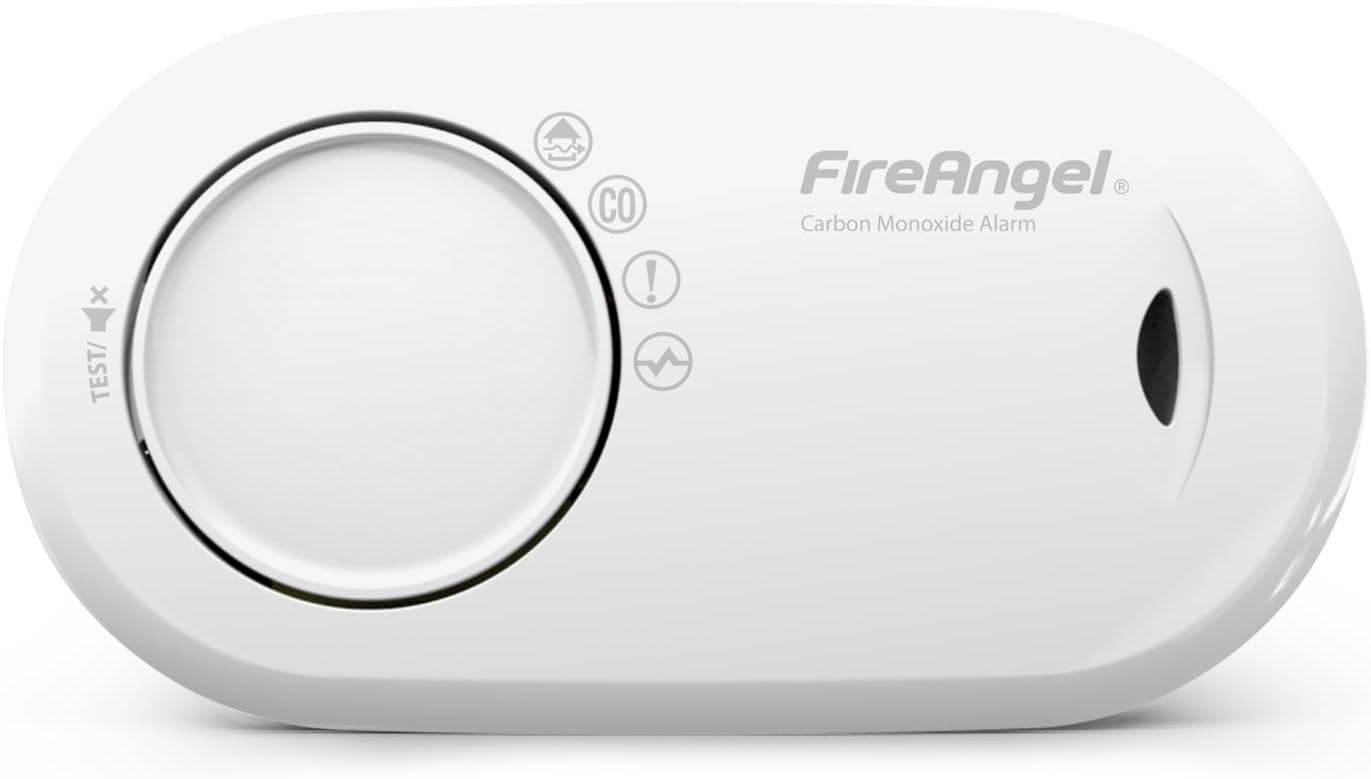 | Premium Choice | FireAngel Carbon Monoxide Detector 10-Year Life Sealed Battery A premium, tamper-proof lithium battery system with an advanced electrochemical cell and specialized alert codes for prolonged exposure profiles. | View Product |
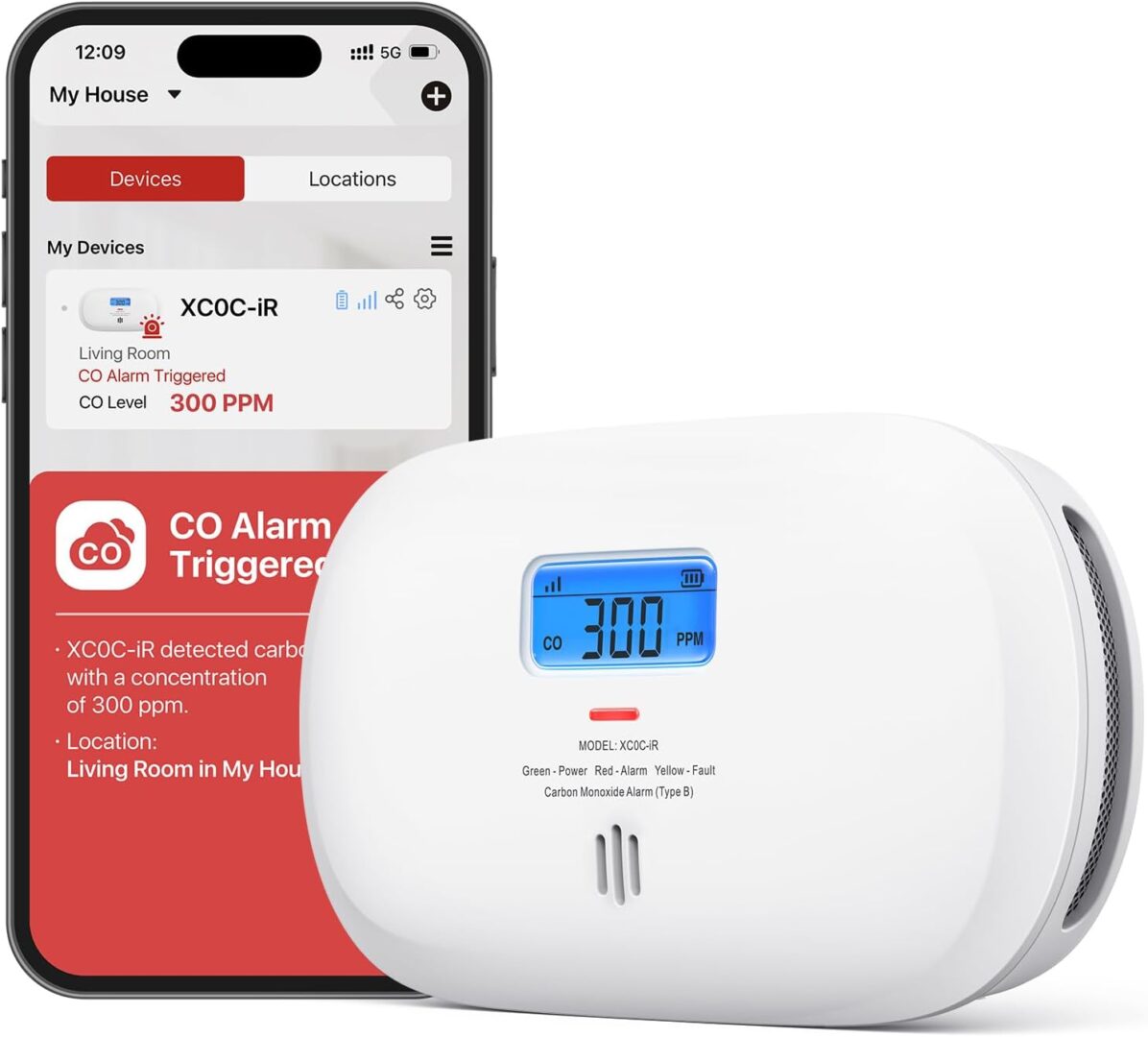 | Top Smart System | X-Sense Smart Carbon Monoxide Detector Silence via App, CO Alarm with LCD Digital Display. Connects directly to standard Wi-Fi routers. Delivers instant remote gas notifications to user smartphones. | View Product |
Fire Extinguishers for the Home
| Product Image | Containment Type | Product Details & Key Safety Specifications | Purchase Option |
|---|---|---|---|
| | Storage Shield | Lithium Ion Battery Fire Extinguisher 500ml Firechief Aerosol Lith-Ex. A compact, portable extinguisher deployment system designed to intercept initial cell breakdown points on smaller personal devices, tablets, and mobile equipment banks. | View Product |
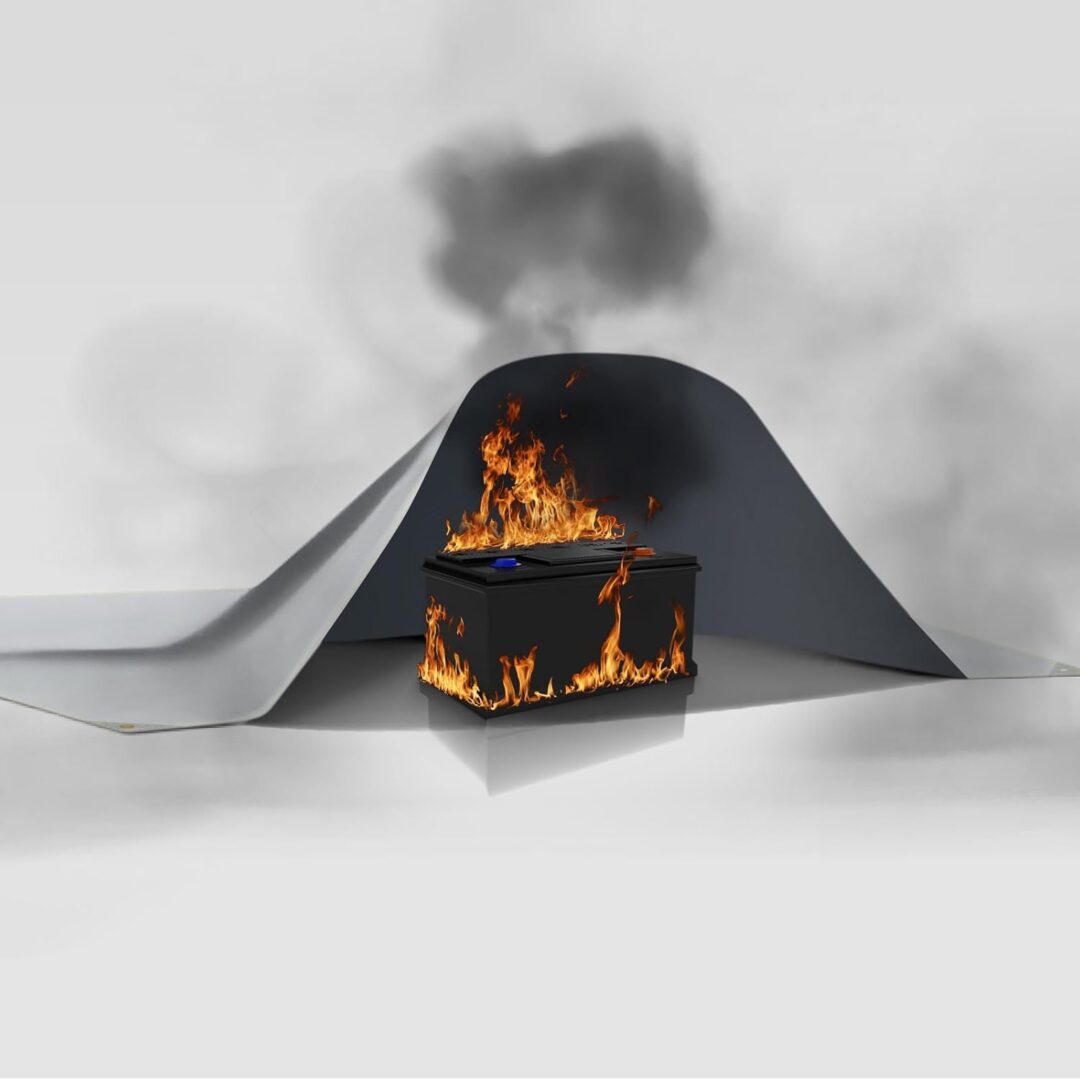 | Blanket Isolation | FLASLD Fireproof Lithium Battery Cover Designed to completely isolate and wrap around failing battery blocks or charging hardware components. Built from heavily woven flame-suppression fibers to halt rapid oxygen spread. | View Product |
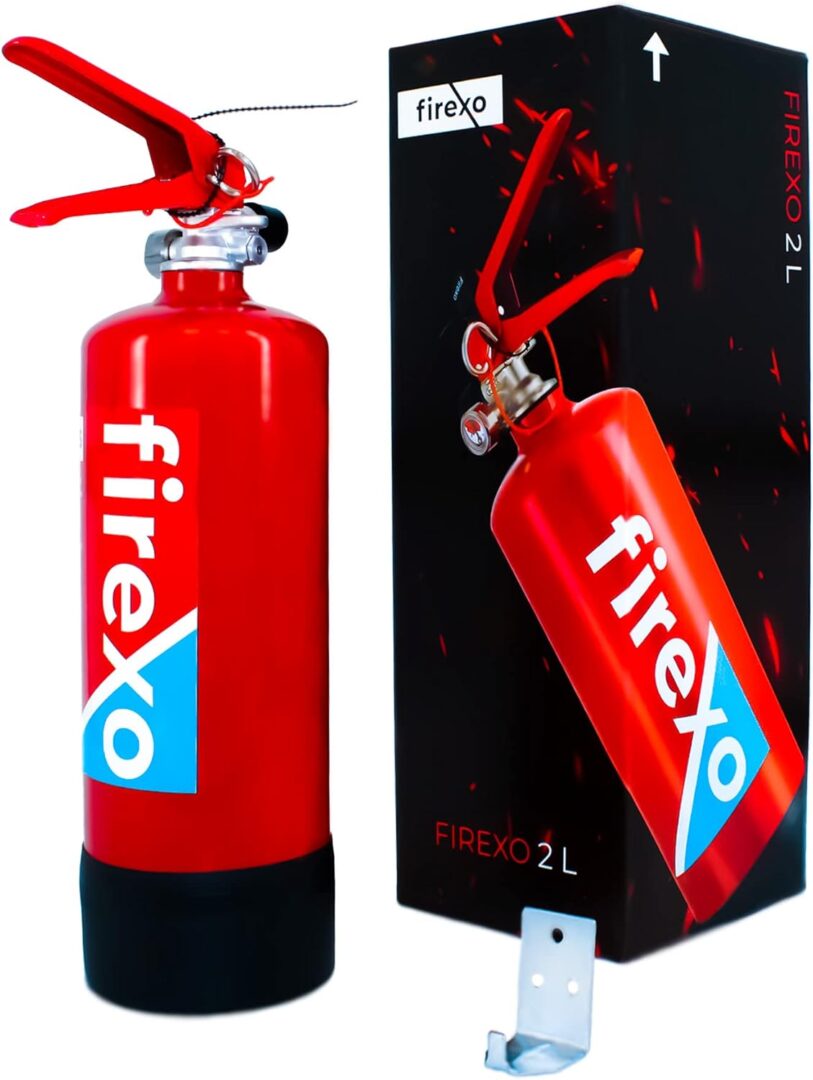 | Specialist Agent | Firexo All in One Fire Extinguisher (2 Litre) A robust, versatile 2kg manual solution engineered specifically to suppress residential lithium-ion thermal events alongside traditional electrical grid or ambient fuel risks. | View Product |
 | Auto Suppressant | Small Automatic Fire Extinguisher Non-Toxic, Compact & Maintenance-Free household protection for electrical panels, portable solar generators, and vehicle charging systems. Triggers automated chemical deployment upon sensing high thermal thresholds. | View Product |
Conclusion:
Clean Energy with Absolute Peace of Mind
Portable power stations and home solar arrays are incredible tools that provide vital energy independence during blackouts or off-grid adventures. Safety headlines can seem terrifying, but understanding that the risk belongs almost entirely to old, unbranded “cheap ion” chemistry allows you to make smart choices.
By investing in modern, stable Lithium Iron Phosphate (LiFePO4) hardware, keeping your escape routes completely clear, and deploying dedicated early warning systems, you can power your household safely, confidently, and responsibly.
Managing Outdoor Environments and Vehicle Cabin Temperatures
While portable power stations provide excellent energy independence for mobile camping, campervans, and outdoor garden workspaces, users must actively manage the surrounding environment to prevent internal short circuits.
A standard power station contains complex electronic logic boards and must never be exposed to rain, damp grass, or morning dew unless the manufacturer explicitly specifies a certified Ingress Protection weatherproofing rating of IP65 or higher. Furthermore, never leave any battery unit locked inside a vehicle cabin or car boot on a hot day.
Ambient vehicle temperatures on a warm summer afternoon can rapidly climb past critical safety limits, exceeding the thermal shutdown thresholds of your electronics and placing unnecessary chemical stress on the internal cells.
Lithium Ion Battery Fire Extinguisher 500ml
Firechief Aerosol Lith-Ex. A compact, portable extinguisher deployment system designed to intercept initial cell breakdown points on smaller personal devices, tablets, and mobile equipment banks.
Frequently Asked Questions
What is the main safety difference between Lithium-Ion and LiFePO4 batteries?
Can you put out a lithium battery fire with normal water?
Is it safe to charge a portable power station inside a house?
How do I know if my solar battery or power station is LiFePO4 or Lithium-Ion?
What are the early warning signs that a lithium battery is failing?
Explore Our Power Guides
📅 Last updated: