Petrol Inverters
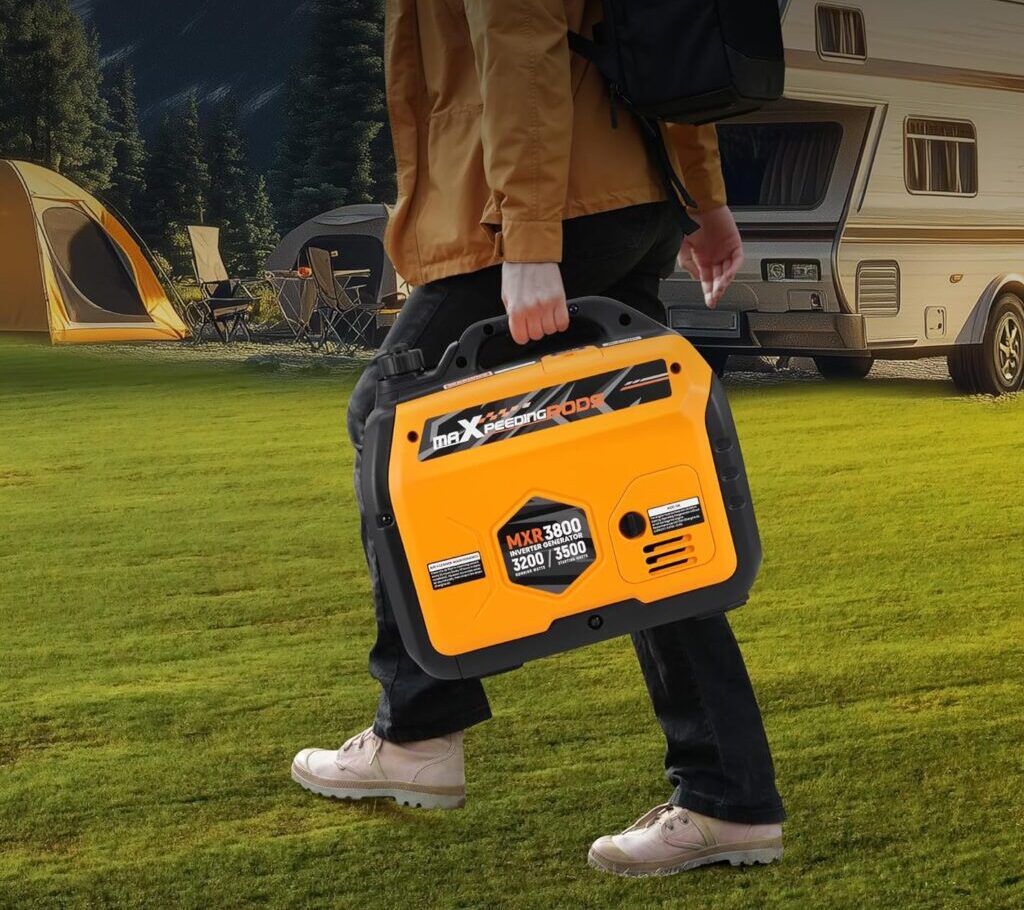
For raw capacity and long endurance, petrol inverter generators remain the cornerstone of traditional backup power. Unlike standard open frame models, inverter technology produces clean electricity, which protects the sensitive circuit boards in modern appliances from damage.
These units suit UK homeowners who need to keep power hungry appliances like fridges, freezers and heating systems running through multi day grid failures. Noise level and fuel efficiency both matter here, since a generator you cannot bear to run defeats the point of owning one.
Full guidance on choosing and safely running a unit is in our Inverter Generators guide. For general electrical safety around portable generators, Electrical Safety First publishes independent guidance worth reading before you buy.
Chargeable Batteries
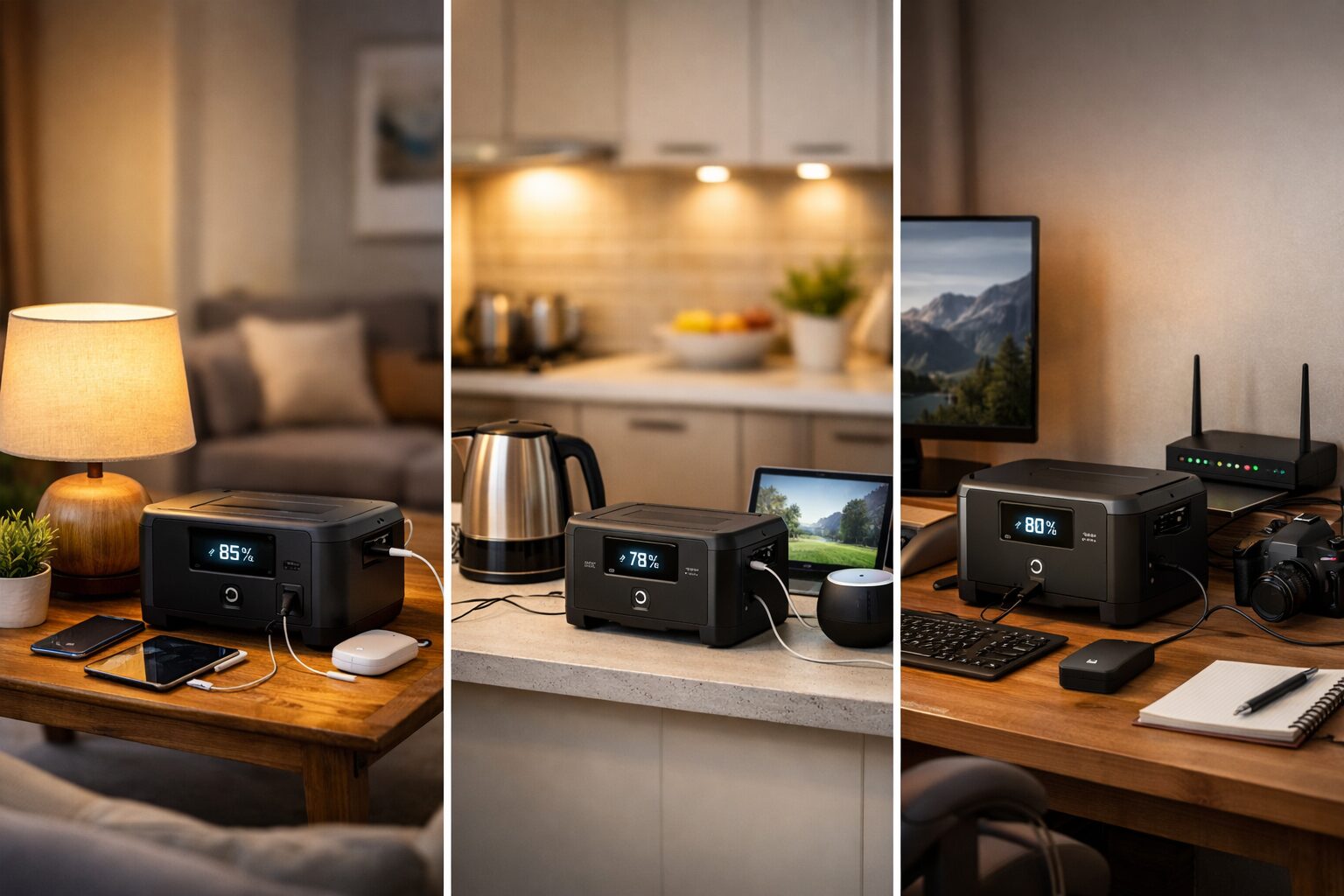
If a generator is the heavy tool in the shed, a chargeable battery is the one that lives in the living room. No fuel, no fumes, no need to step outside at 2am. You plug it into a normal socket, it charges quietly, and it sits there ready.
That makes it the realistic option for flats, terraces and rented homes, anywhere a generator simply is not practical. It will not run your whole house, but it will keep the router alive, charge phones and laptops, and hold a fridge over for several hours while you wait out a shorter cut.
See the full range and how to size one correctly in our Chargeable Batteries guide. For guidance on charging and storing lithium batteries safely at home, the BSI publishes relevant safety standards.
Start With One Question: What Must Not Stop?
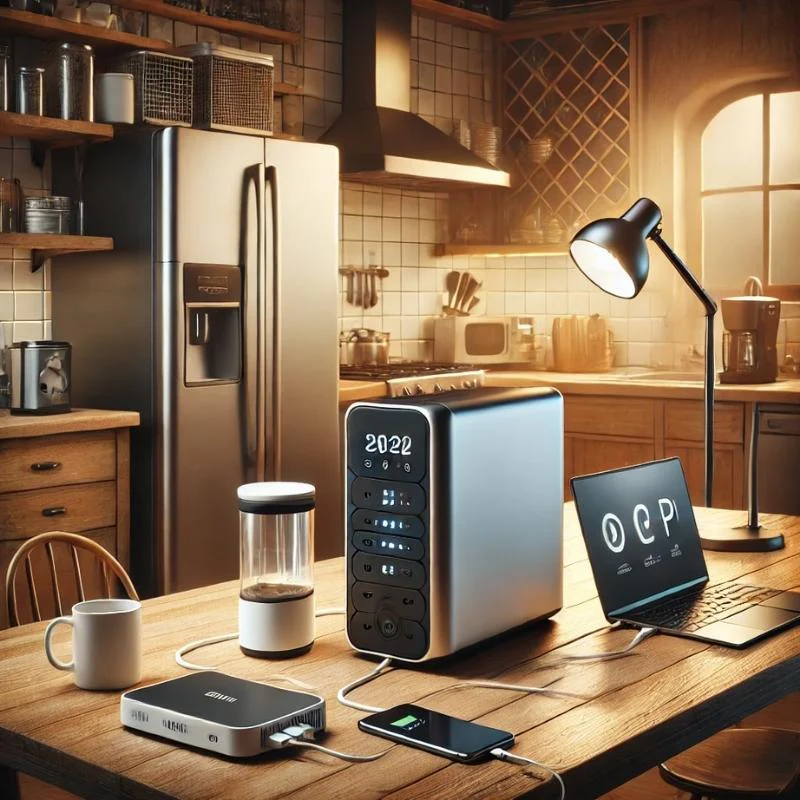
Before you think about watts, batteries or generators, answer something simpler. If the power went off for four to eight hours, what absolutely must keep running? For most UK homes that list is shorter than you would expect.
Once you know your must have list, you can match it to the simplest backup option instead of over buying a system that tries to power the whole house like nothing happened. Ofgem's guidance on what to do during a power cut is a good starting reference alongside this.
Essentials
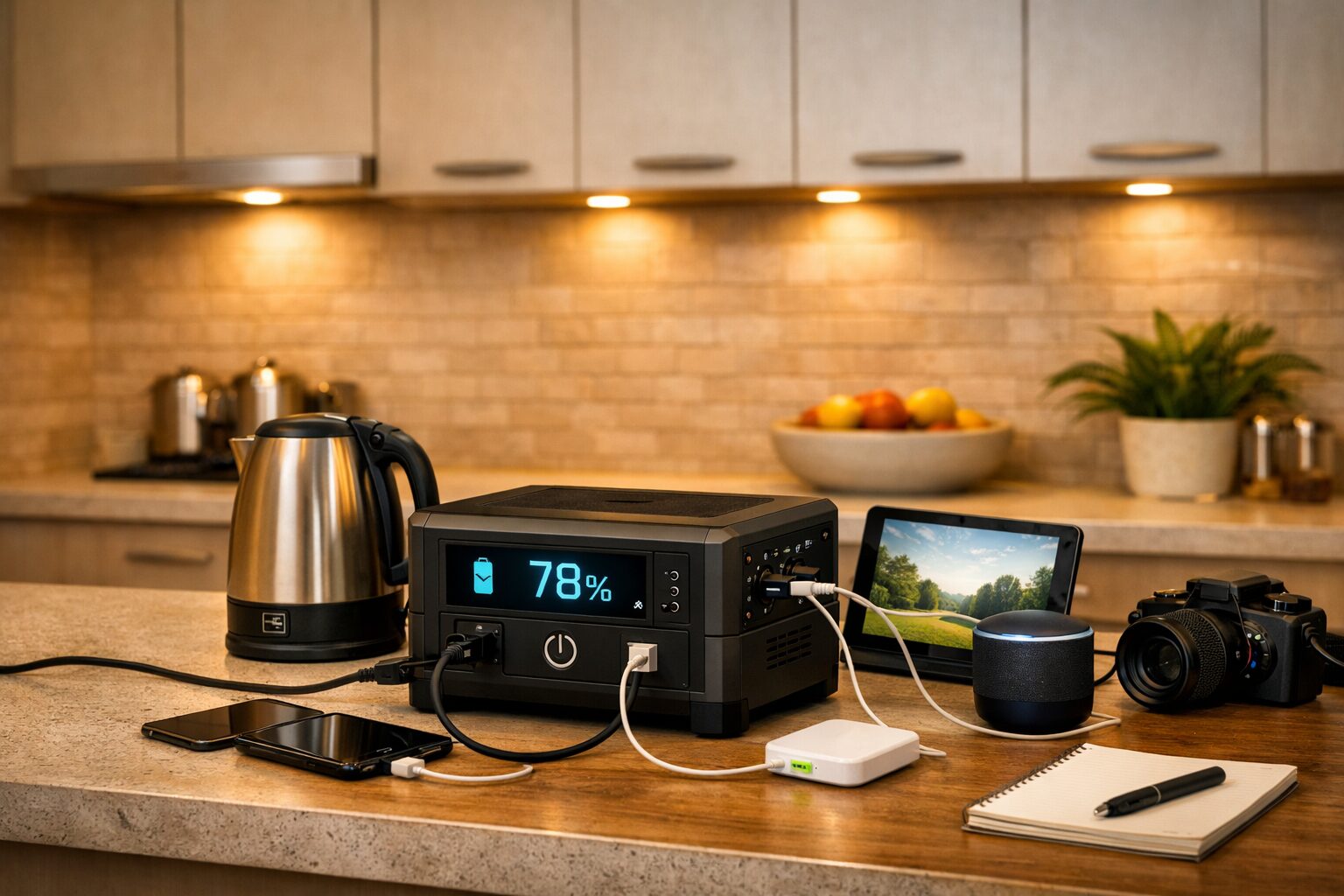
Broadband router, phones, laptops, a few key lights.
Comfort and safety
Fridge or freezer, a small heater in one room, medical devices if needed.
Nice to have
TV or streaming box, games console, kettle or microwave.
Tier 1
Chargeable Batteries: Quiet Backup for One Room
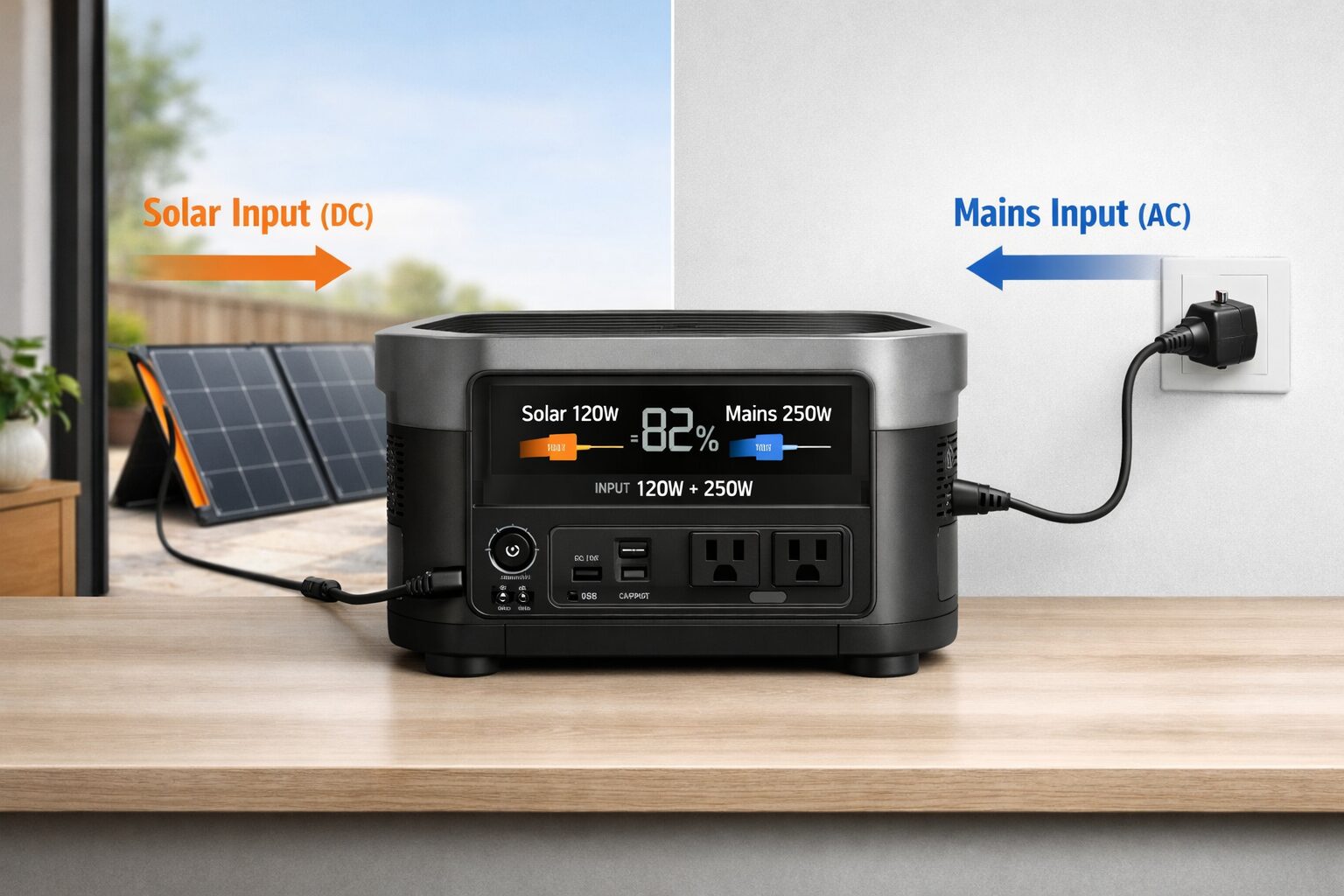
Chargeable batteries, often sold as portable power stations, are the easiest way to get started with backup power. They live indoors, plug into a normal socket to charge, and sit quietly until you need them. No fuel, no fumes, no need to go outside.
They will not run a whole house, but they will hold a router, phones and a lamp through most short cuts, and stretch a fridge over several hours if a longer one hits. Full sizing advice is in our Chargeable Batteries guide. The BSI sets the relevant safety standards for lithium battery storage in the home.
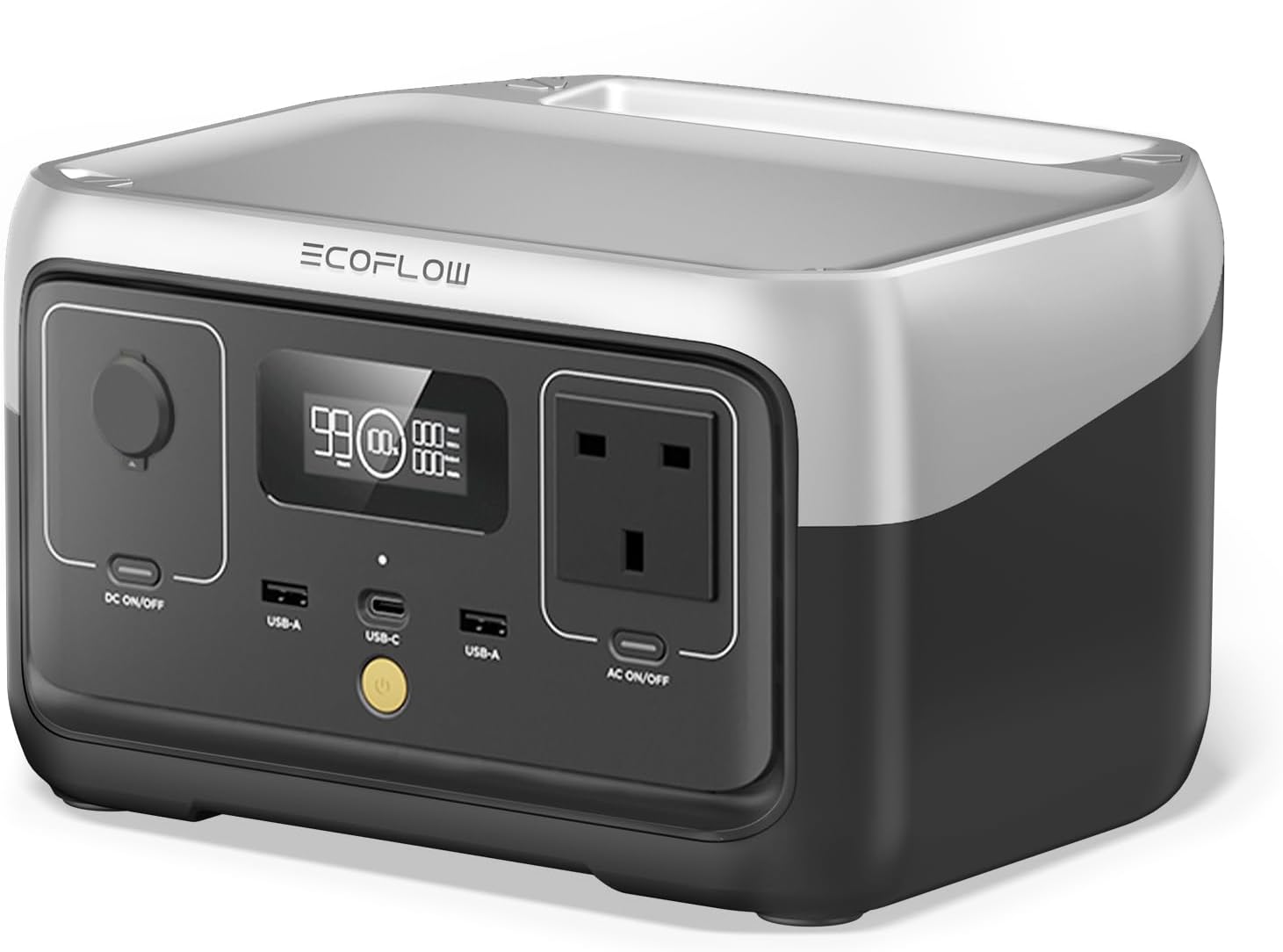
EcoFlow RIVER 2
256Wh, 300W AC output
30ms UPS switchover, keeps a router alive through a cut
£219
Check PriceTier 2
Solar-Charged Backup: Using the Sun to Refill
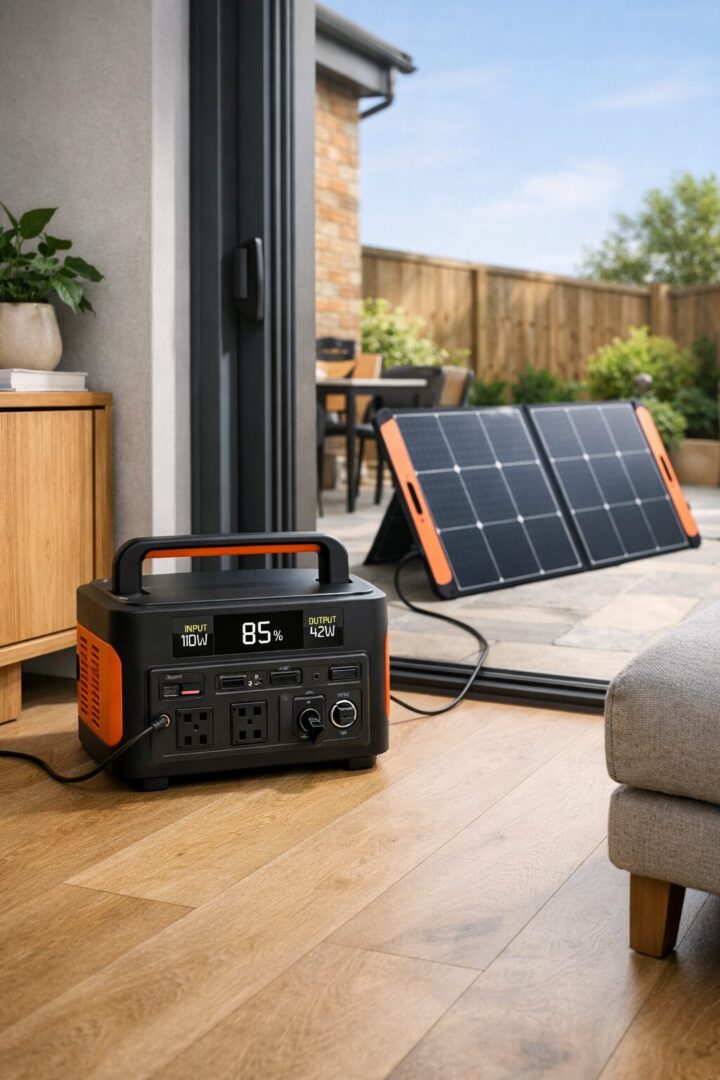
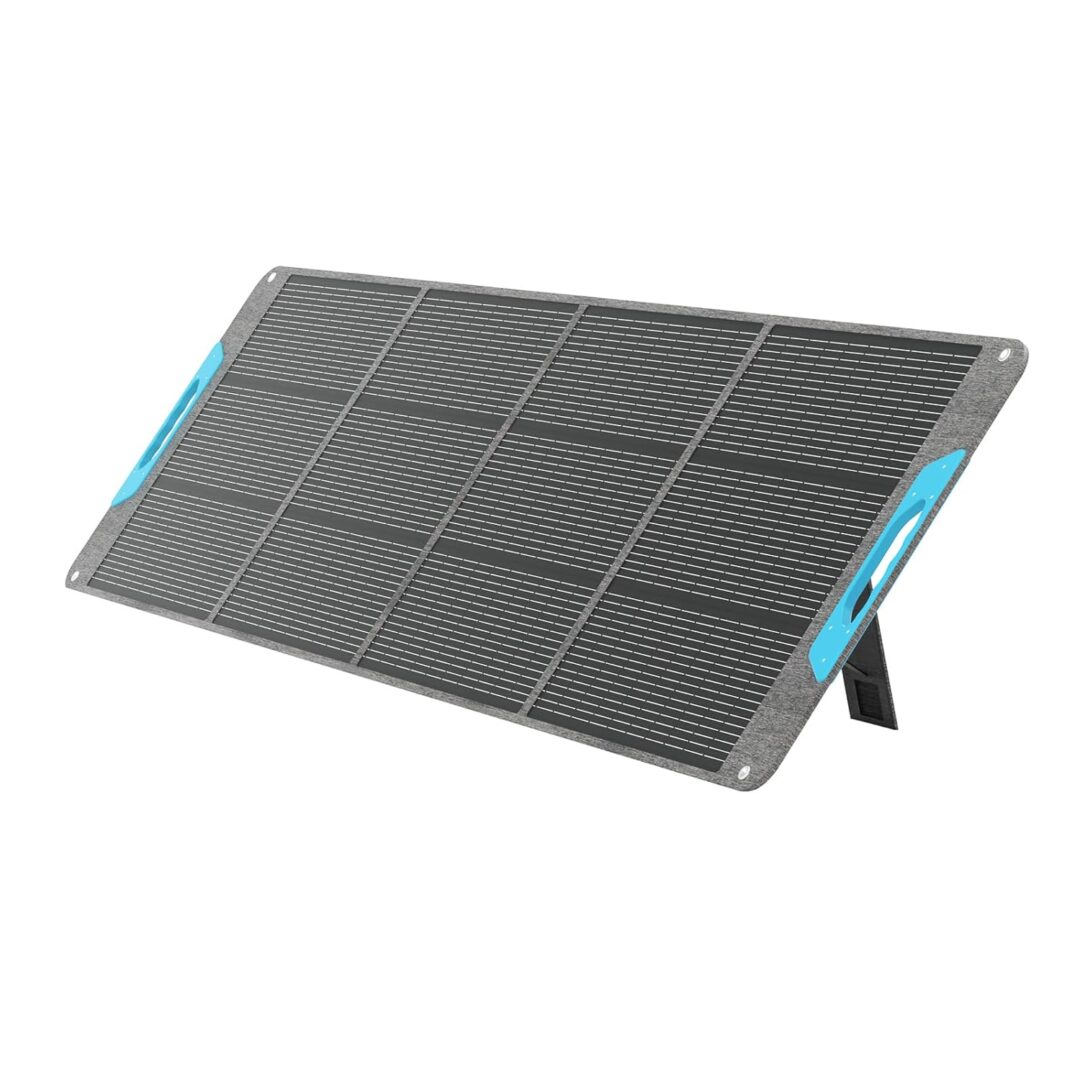
A chargeable battery becomes far more useful once you can refill it without the grid. Pair one with plug-in solar panels on a balcony or wall, or a roof mounted array feeding a home battery, and a short outage stops being a countdown against a single tank of stored energy.
Even on a cloudy UK day panels still produce something, and in spring and summer you can often refill a decent chunk of the battery within daylight hours. See our Solar Batteries guide and Plug-in Solar guide for how the two connect. Current legal limits for plug-in solar are set out in the official SI 2026/848 legislation.
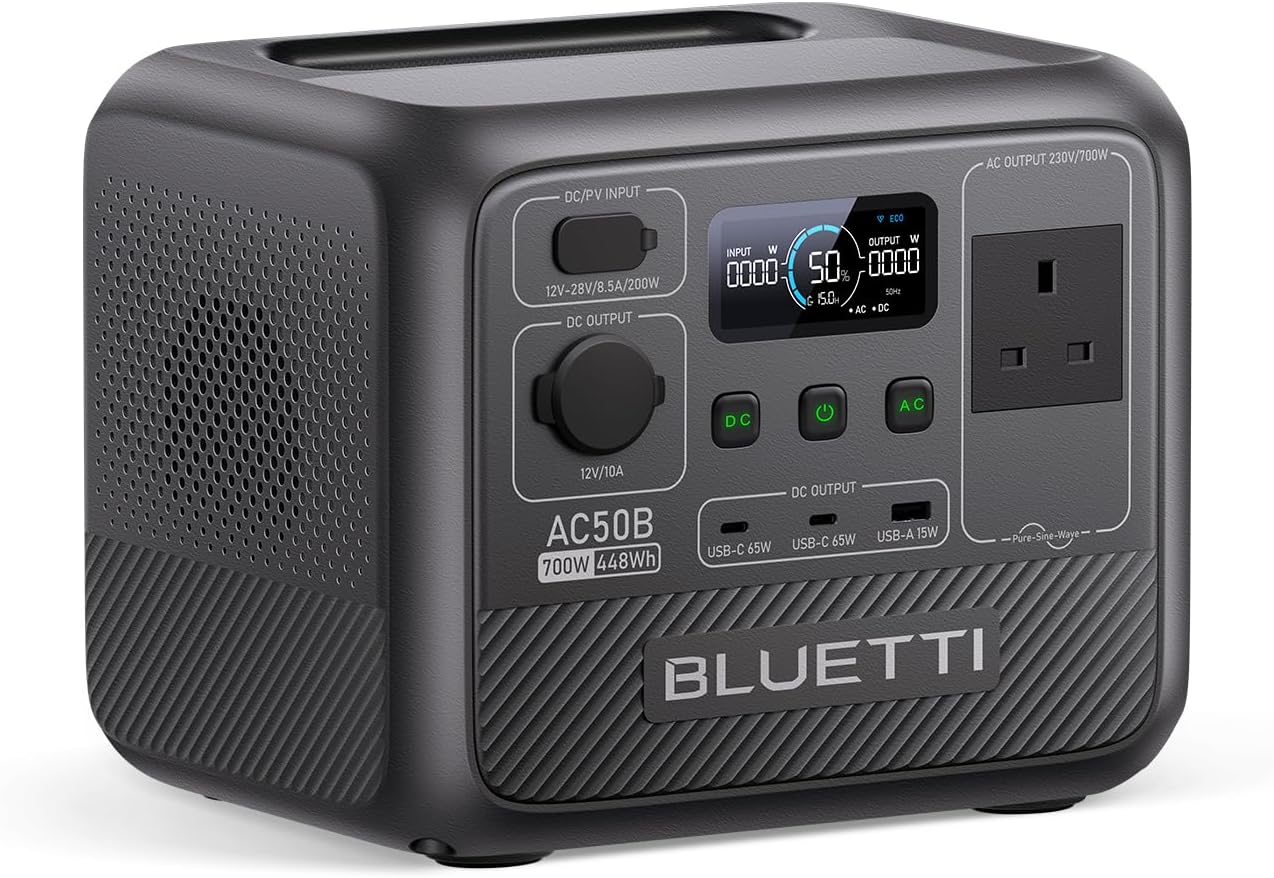
Tier 3
Inverter Generators: Whole-Home Style Backup When Needed
Inverter generators are the heavy duty option. They run on petrol, sit outside, and can power far larger loads than a portable battery, enough to run a fridge, freezer, pump and power tools together through a multi day outage. Modern units are quieter and more fuel efficient than old open frame models, and produce cleaner power that is safer for electronics.
They come with genuine trade-offs though. Noise carries in a garden even from a quiet model, petrol needs safe storage, and fumes mean these units must always run outdoors, never in a garage or shed. Electrical Safety First has clear guidance on running generators safely, and it is worth reading before you buy. Full sizing help is in our Inverter Generators guide.
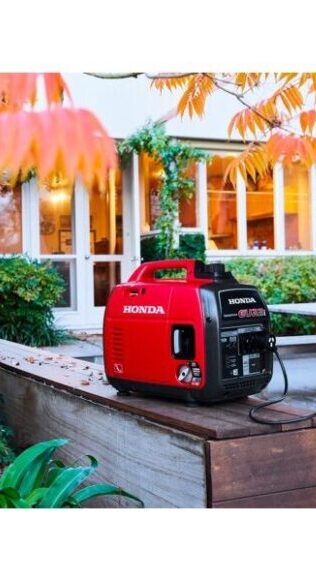
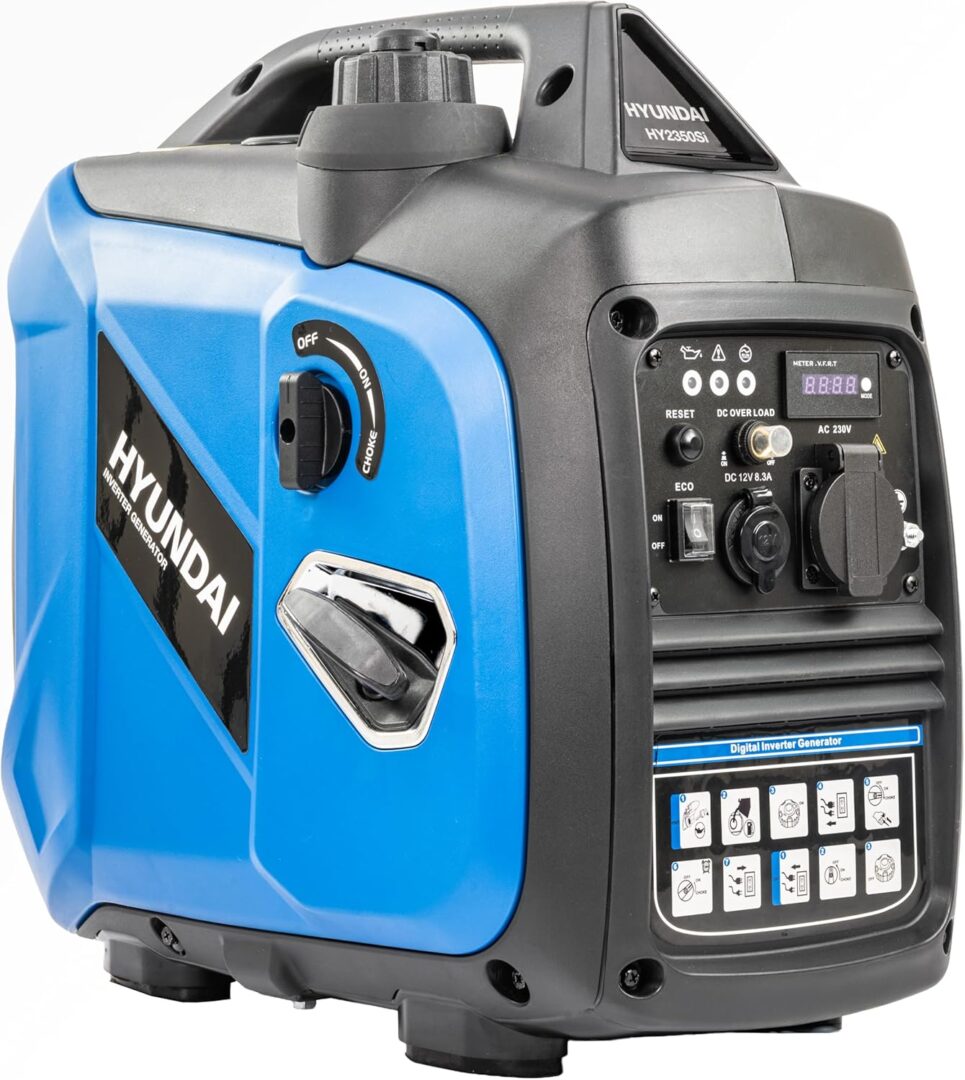
Hyundai 2.0kW Inverter Generator
1800W continuous, pure sine wave, 14.5hr runtime, 62dB
£329.99
How Backup Power Fits Your Wider Home Power Plan
Backup power does not have to be a separate project sitting apart from everything else you are doing with home energy. It slots into a bigger picture of using more of your own power and less from the grid.
Solar panels cut your daytime usage. Solar batteries shift that cheap or free energy into the evening. Plug-in solar lets renters and flat owners join in without a full install. Chargeable batteries keep your essentials running in a cut, and inverter generators cover the rare but serious longer outages. Each piece supports the others rather than competing with it.
Ofgem's household energy advice hub is a useful general reference if you want to see how backup power sits alongside wider changes to the grid and to household bills. Once you understand your needs from this page, the tier guides above go into the detail on choosing an actual model.
When Is Backup Power Worth It?
There is no single right answer, but it usually becomes worth considering if any of the following sound familiar.
- You have had two or more memorable power cuts in the last couple of years
- You work from home and cannot afford to be offline for half a day
- You have a freezer full of food you would rather not gamble with
- You live in a rural or exposed area where the grid is more fragile
- You are already investing in solar and want to finish the picture with resilience
For some households a small chargeable battery is enough peace of mind. For others, especially in rural parts of the UK, a battery and generator combination feels more like insurance. You hope you never need it, but you are glad it is there when you do. Citizens Advice has practical guidance on what support is available if power cuts become a recurring problem in your area.