12V Leisure Batteries
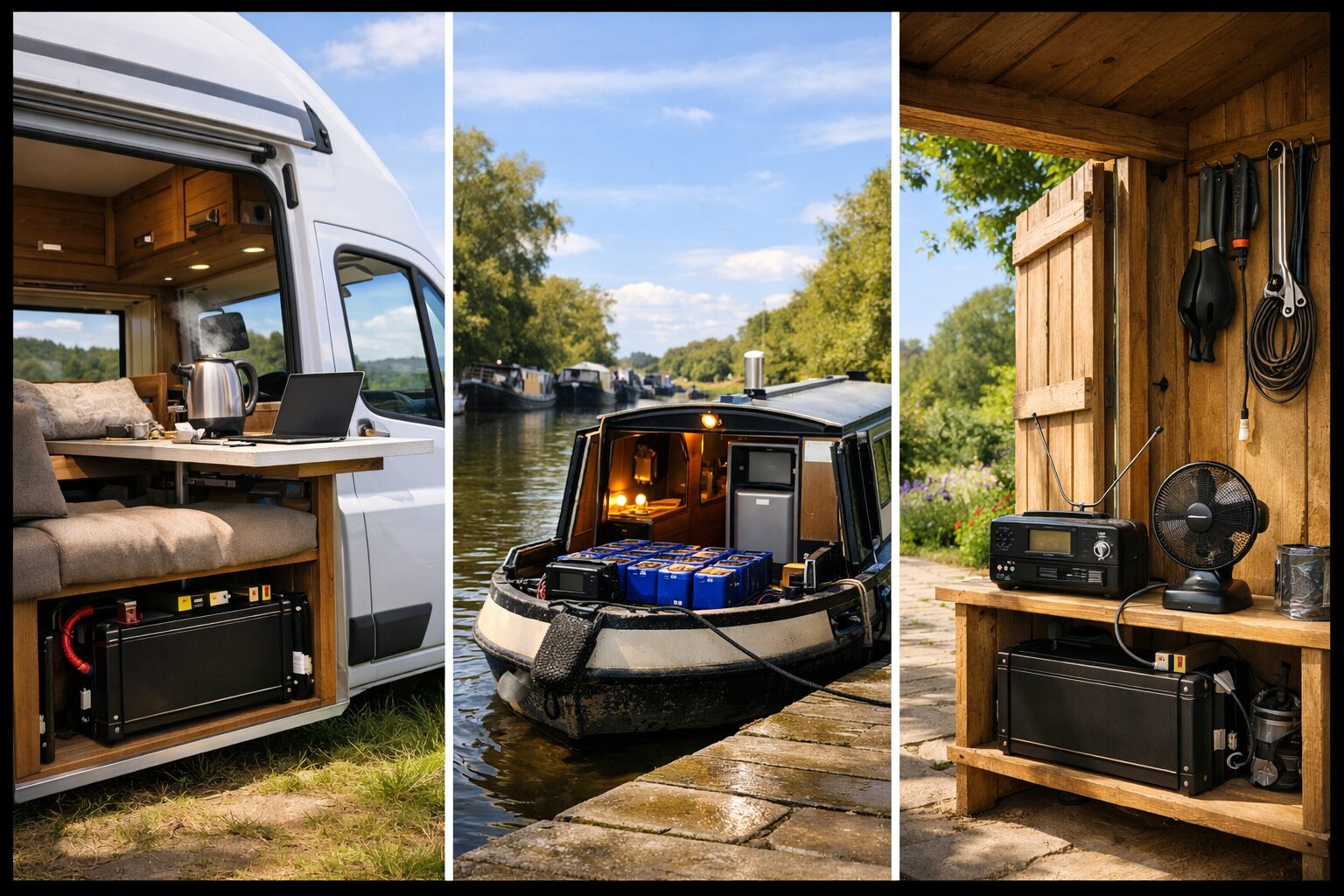
The most common voltage for motorhomes, campervans, narrowboats and garden sheds. 13 models from £54 to £389.
12V Leisure Batteries
The most common voltage for motorhomes, campervans, narrowboats and garden sheds. Compatible with the widest range of 12V equipment, inverters and solar charge controllers.
LiFePO4 — 100Ah
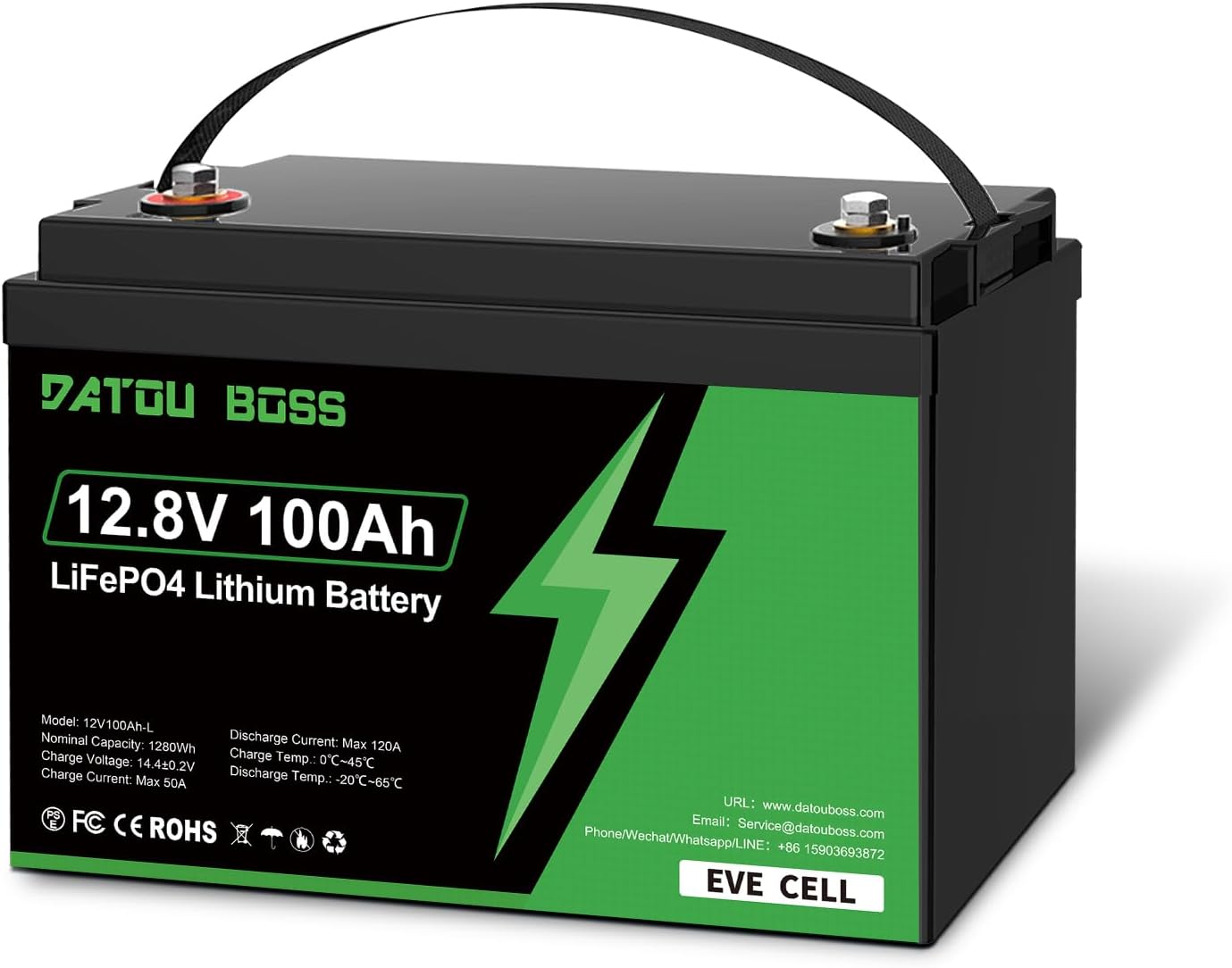
12V 100Ah LiFePO4 — Best Value
The most affordable LiFePO4 on the page. 100A BMS, 15,000+ cycles. No Bluetooth or low-temp protection — but a solid entry into lithium at a lead-acid price point.
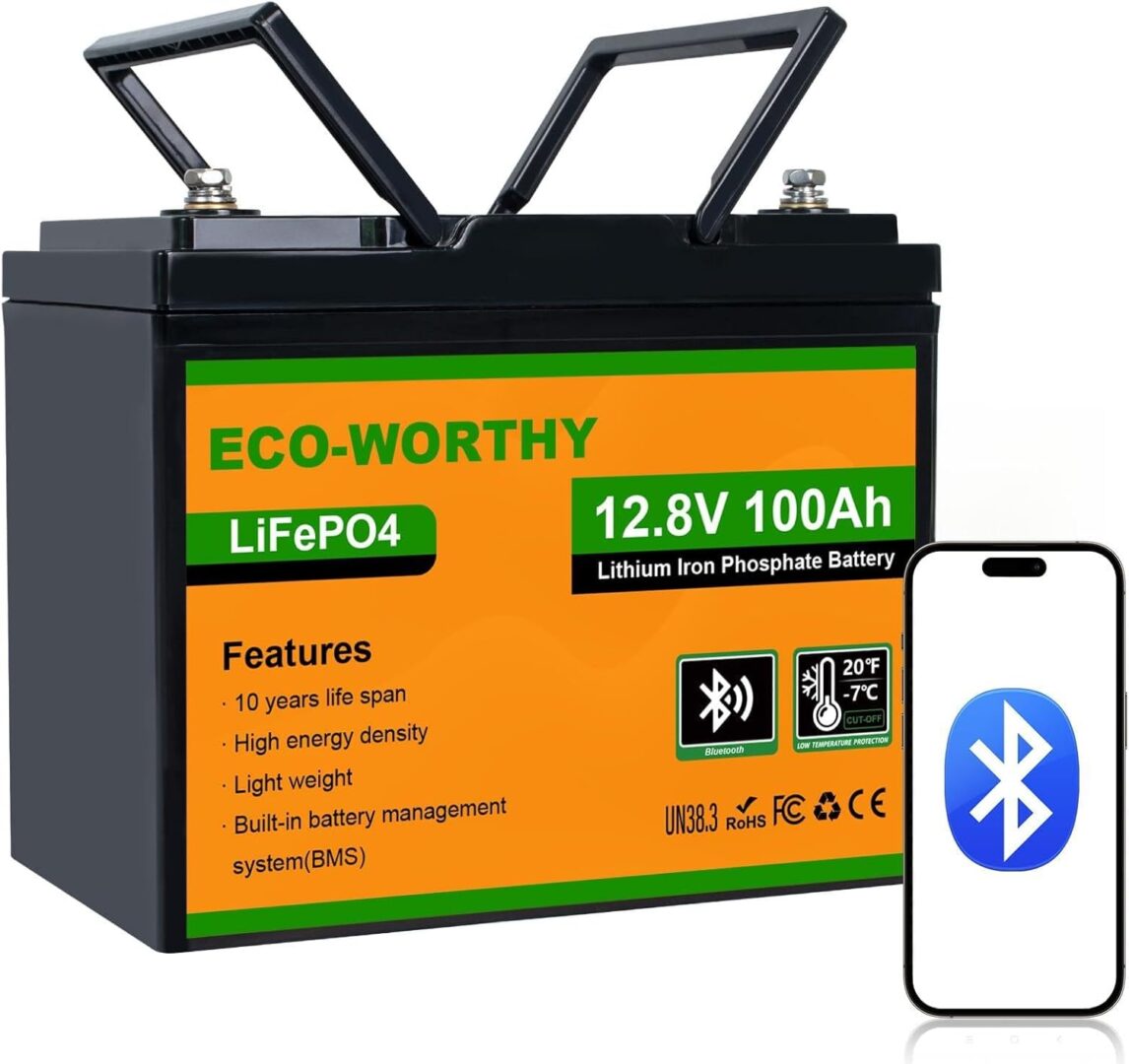
12V 100Ah LiFePO4 — Winter Ready
Bluetooth monitoring and low-temperature protection — essential for UK winter use. Stops charging automatically in sub-zero conditions to prevent cell damage. 15,000 cycles.
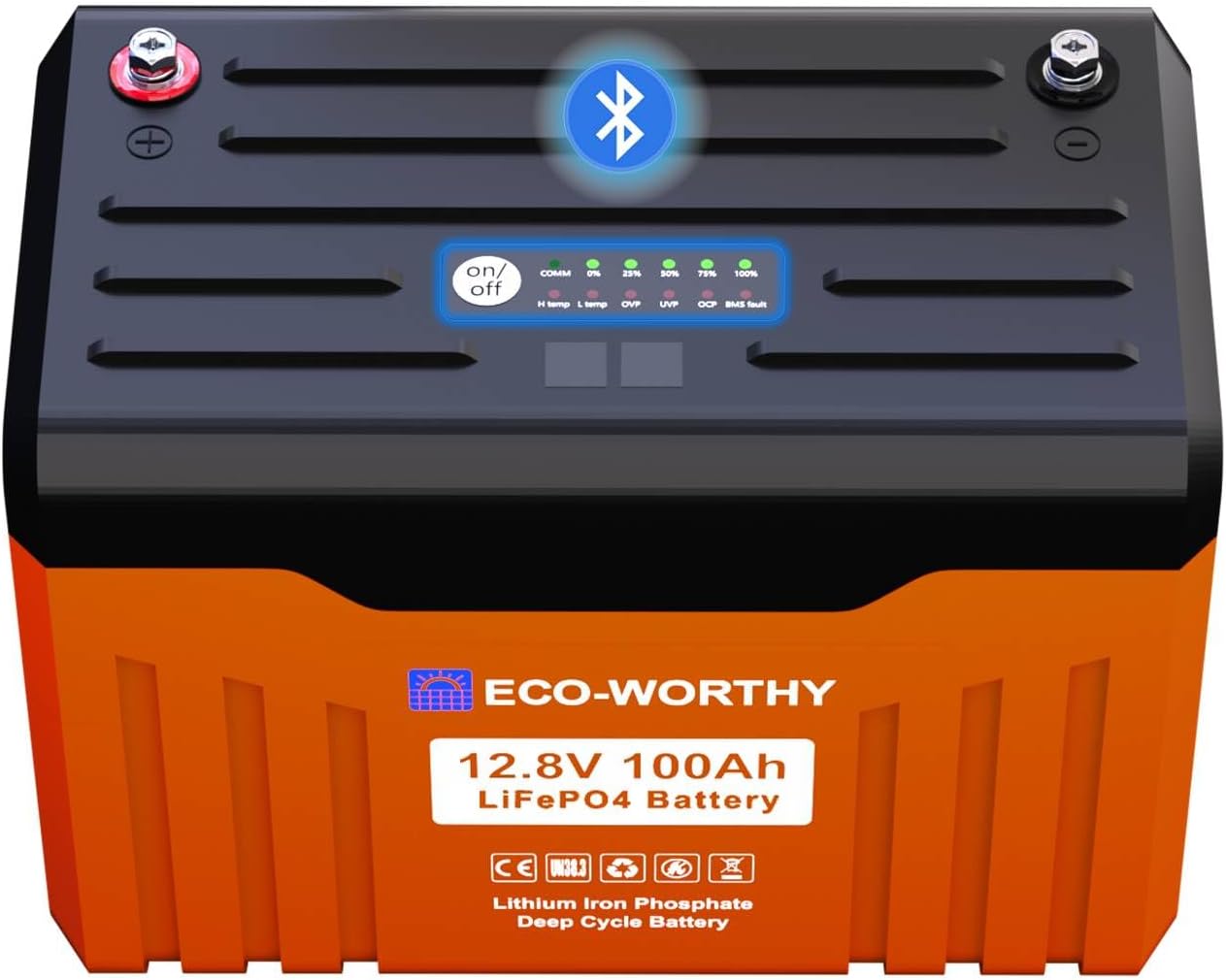
12V 100Ah LiFePO4 — Bluetooth & Display
Bluetooth monitoring, built-in LED display showing state of charge, and low-temp protection. The most feature-complete 100Ah entry on the page. Ideal for motorhomes where visibility matters.
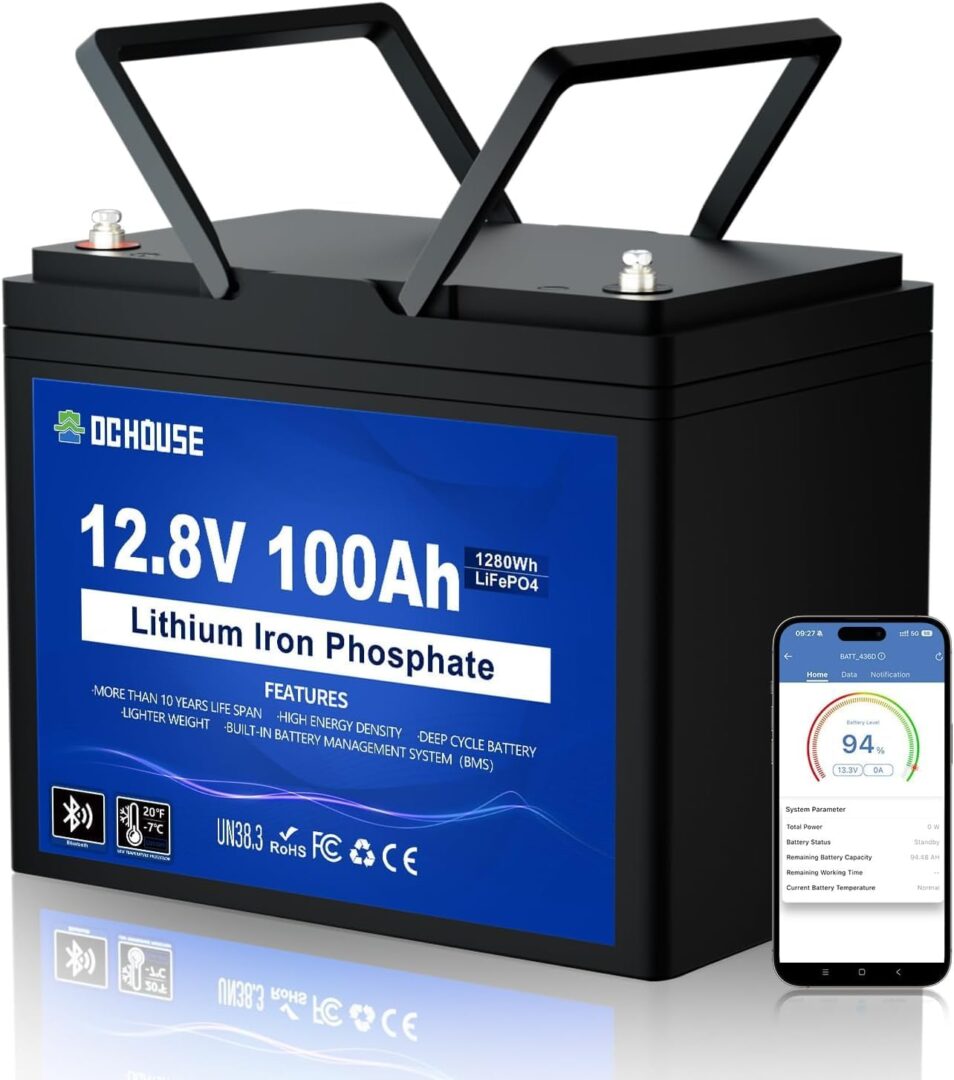
12V 100Ah LiFePO4 — Drop-In Fit
Designed to fit standard motorhome and caravan battery compartments as a direct drop-in replacement. Bluetooth monitoring, built-in BMS and low-temp protection. 15,000 cycles.
LiFePO4 — 200Ah to 400Ah
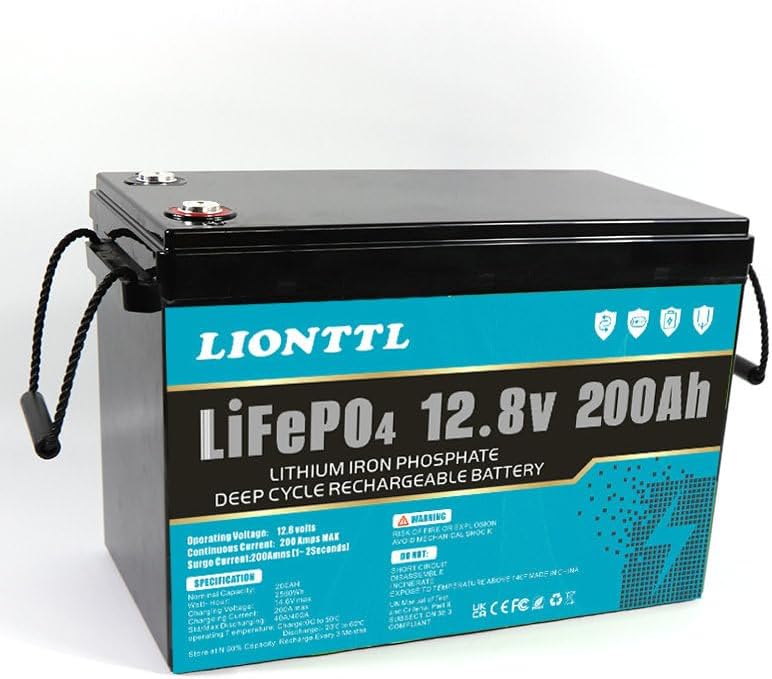
12V 200Ah LiFePO4 — Budget
2,560Wh of storage — enough for 2+ days autonomy for a typical narrowboat or motorhome. No Bluetooth or low-temp, but solid build and competitive pricing at this capacity.
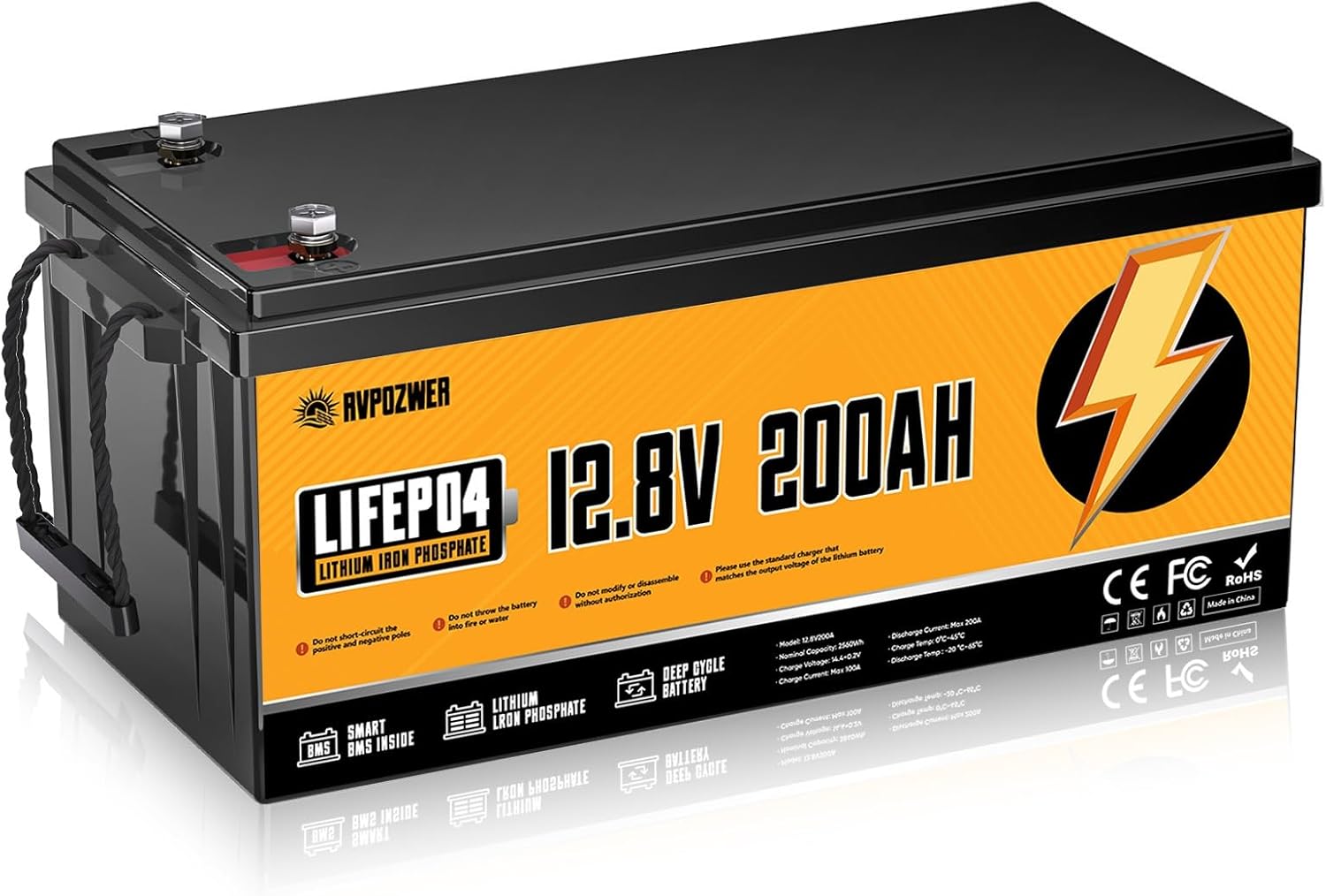
12V 200Ah LiFePO4 — 18,000 Cycles
18,000 cycles is exceptional — at one cycle per day that's nearly 50 years of use. Low-temp protection included. The best long-term investment for full-time liveaboards cycling their battery bank daily.
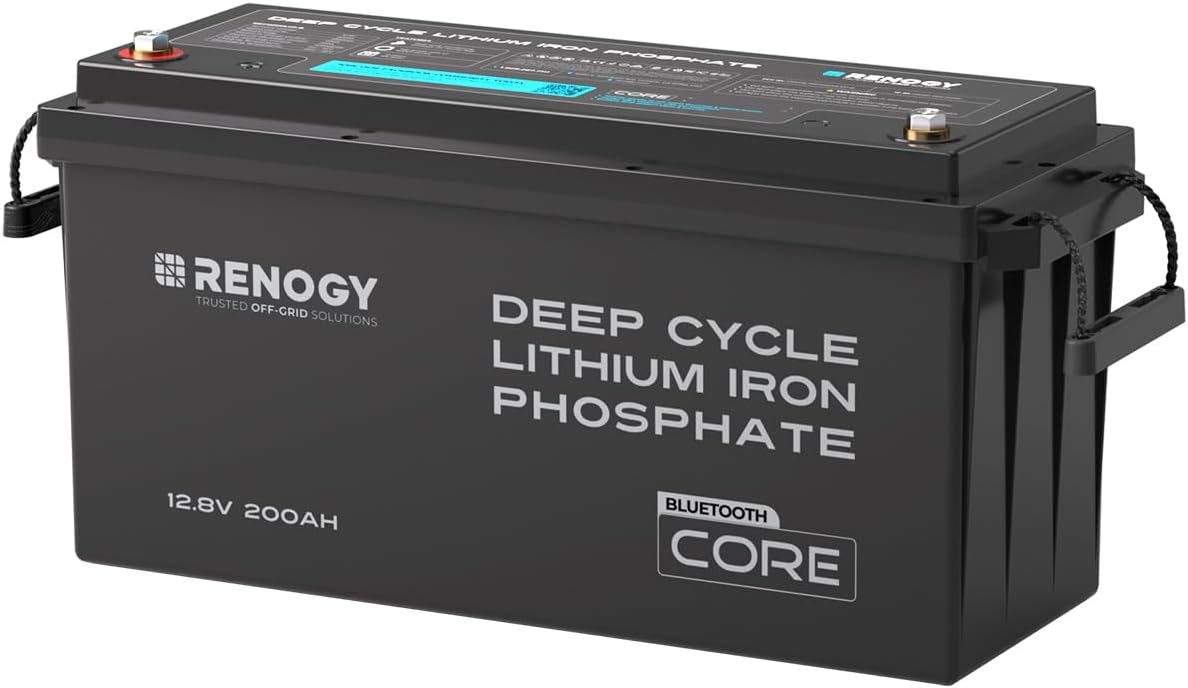
12V 200Ah LiFePO4 — IP65 Bluetooth
Renogy's premium 200Ah — IP65 weatherproofing, Bluetooth monitoring, low-temp protection and 5,000+ cycles from one of the most trusted brands in off-grid power. Built to last in demanding environments.
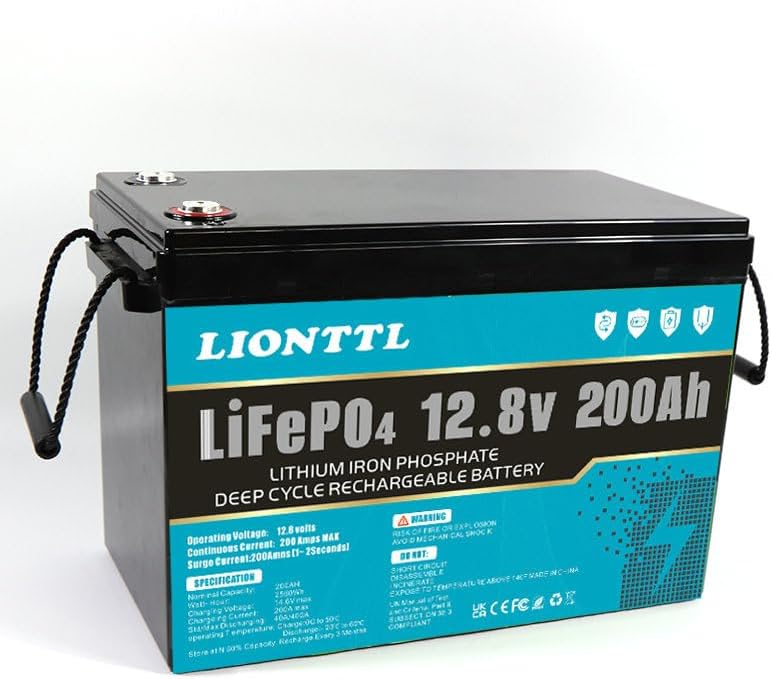
12V 300Ah LiFePO4 — 300A BMS
3,840Wh — 3+ days autonomy for most setups. 300A BMS handles high continuous loads comfortably. 8-year lifespan claim, 5,000+ cycles. Good option for larger narrowboats or off-grid cabin setups.
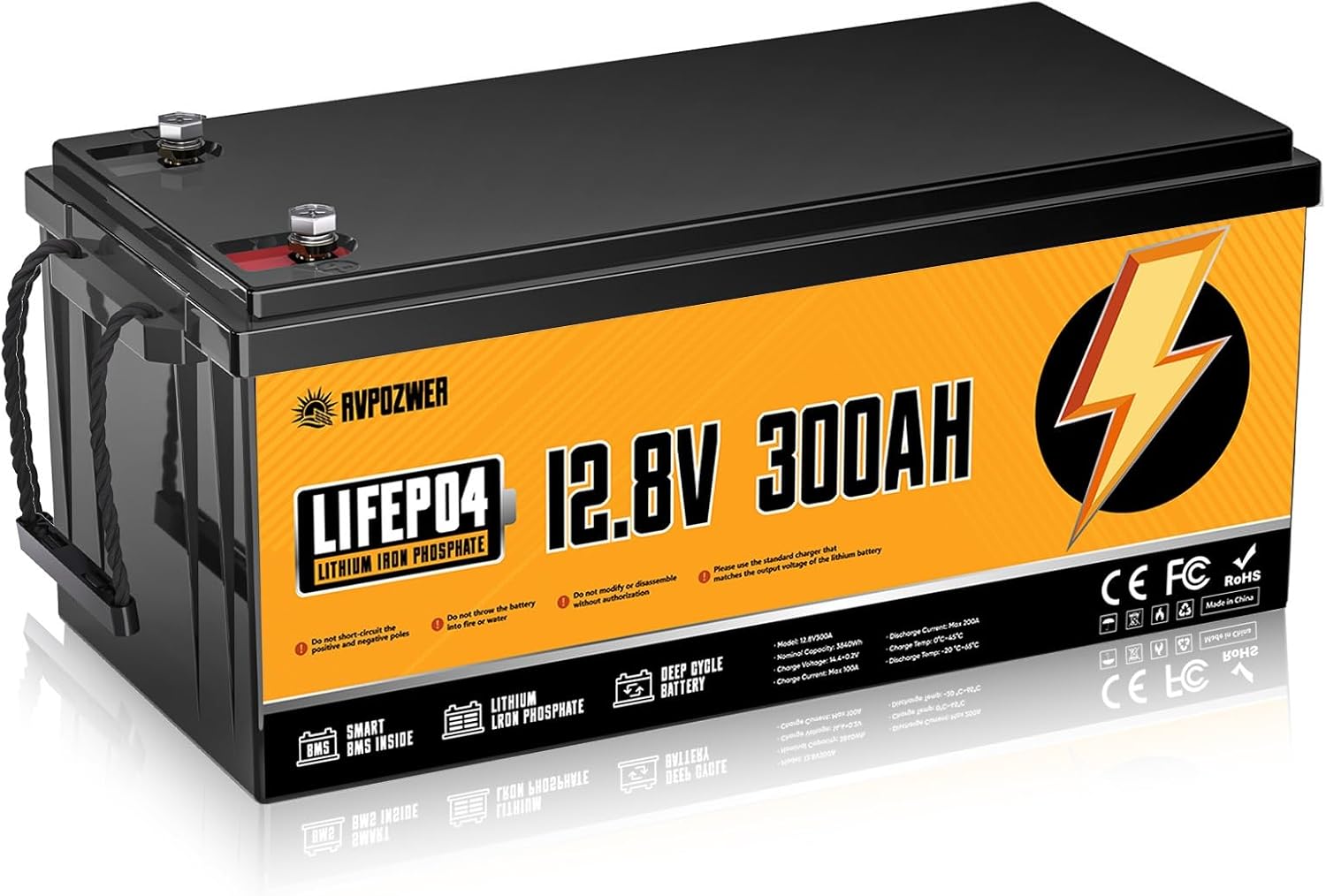
12V 300Ah LiFePO4 — 18,000 Cycles
Rvpozwer's 300Ah with the same exceptional 18,000-cycle rating as their 200Ah model. Low-temp protection included. 3,840Wh of storage for serious off-grid and full-time liveaboard applications.
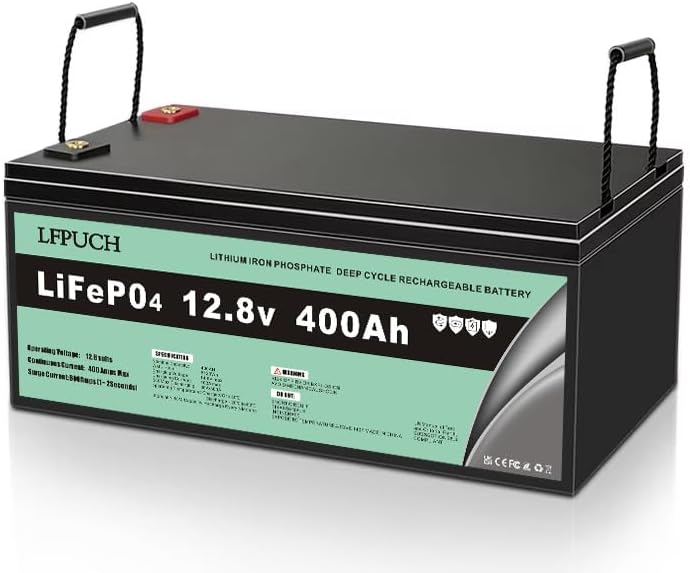
12V 400Ah LiFePO4 — Maximum Capacity
5,120Wh — the highest capacity single 12V battery on the page. 4+ days autonomy for most setups. 400A BMS, 8,000+ cycles. For large narrowboats, off-grid cabins and serious solar storage systems.
AGM & Lead Acid — Budget Options
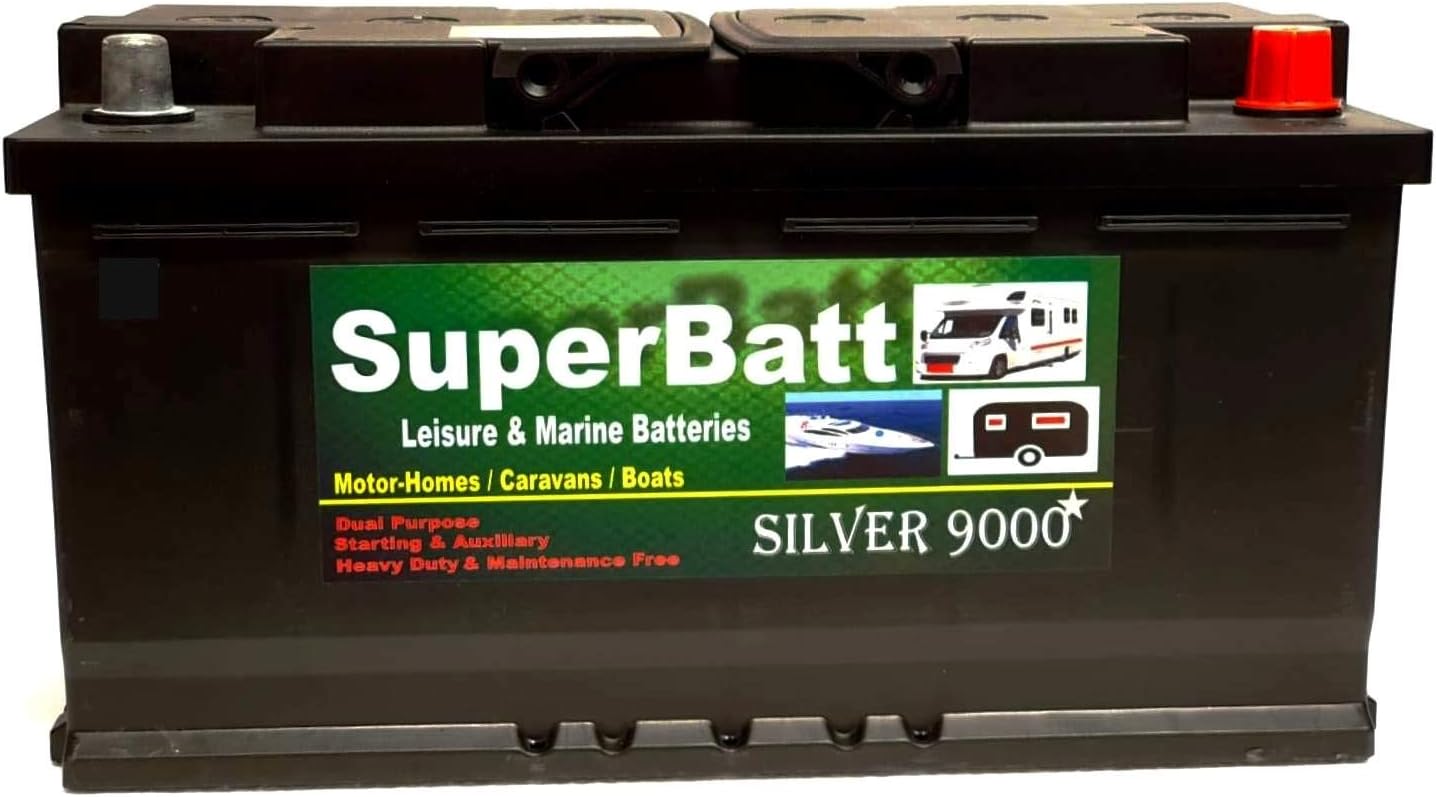
12V 130Ah AGM Deep Cycle
UK brand. Sealed AGM — no spillage risk, no maintenance, handles vibration well. 3,000+ cycles at 50% discharge. Good step up from lead acid without the cost of LiFePO4. Ideal for occasional-use caravans.
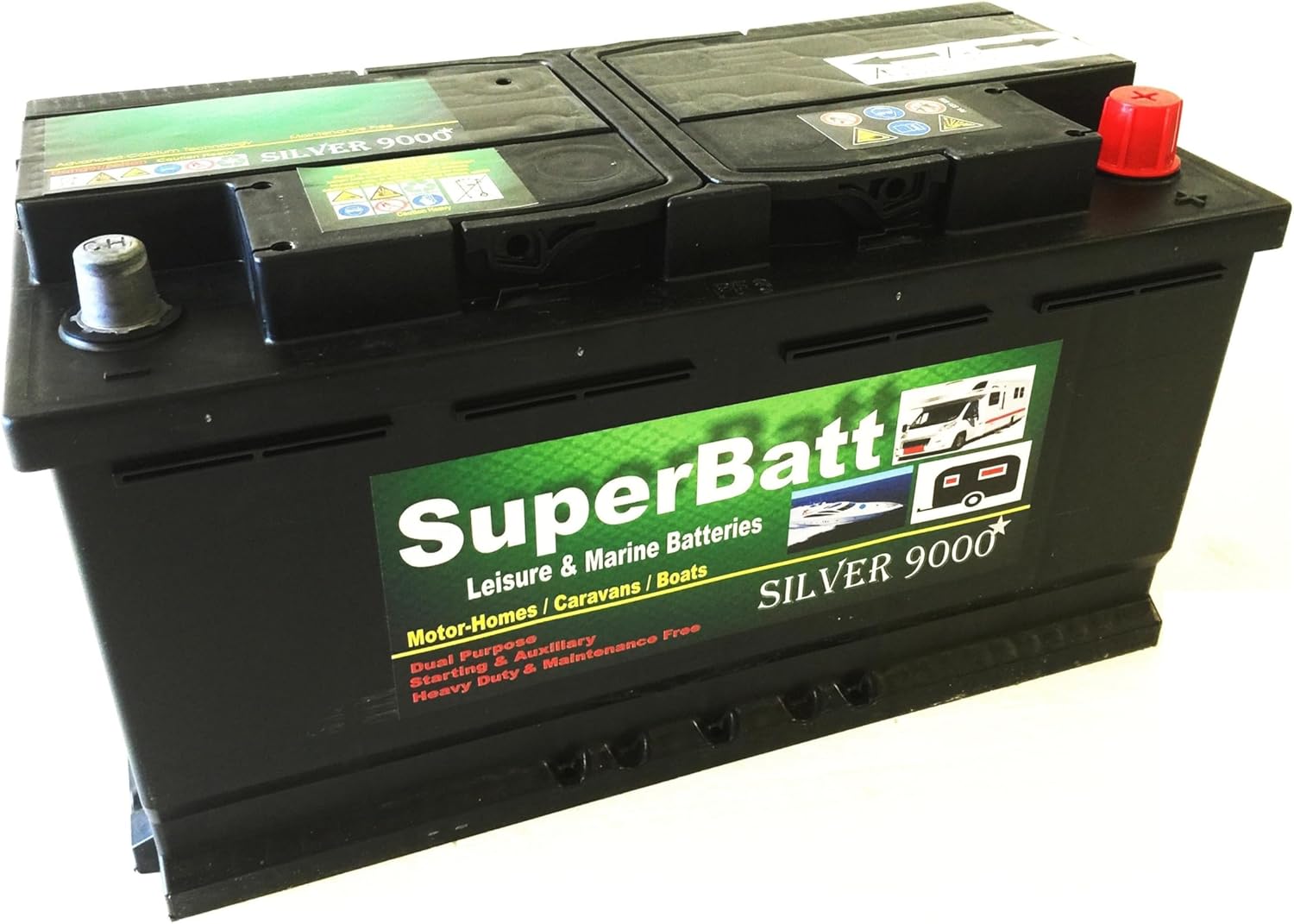
12V 130Ah Deep Cycle Leisure
Traditional lead acid deep cycle at the lowest price on the page. 500+ cycles at 50% discharge. Heaviest option at 34kg. Good for occasional-use setups where budget is the primary consideration.
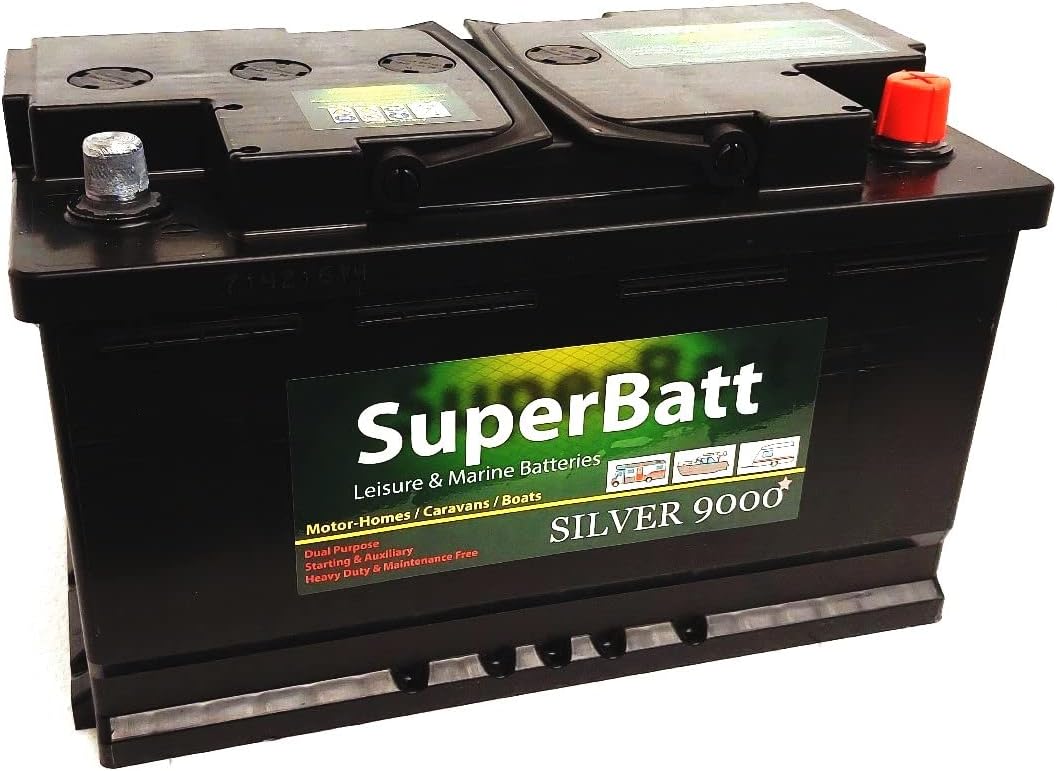
12V 50Ah Deep Cycle Leisure
Compact lead acid for very light use — weekend camping, small caravan, basic lighting only. 11kg. Only 25Ah usable at 50% discharge. Cheapest entry point on the page.
Prices correct at May 2026. Always check current price on Amazon before purchasing.
24V Leisure Batteries
24V systems are more efficient over longer cable runs and suit larger narrowboats, bigger motorhomes and installations with heavy motor loads. Requires a 24V-compatible inverter and charge controller.
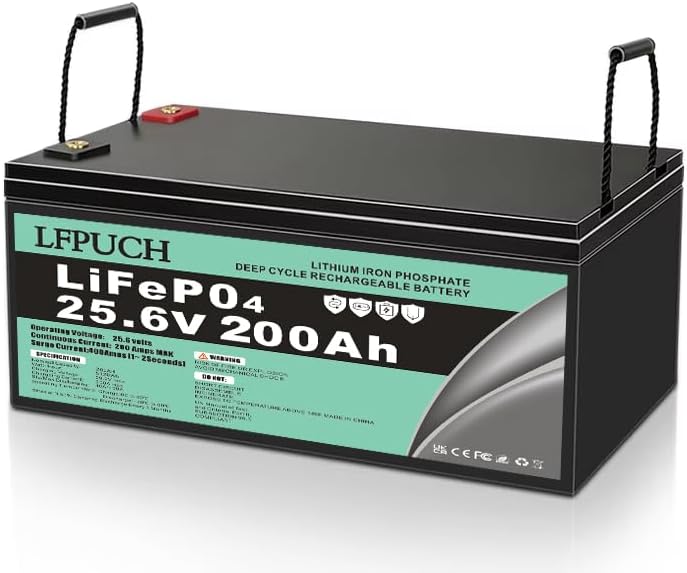
24V 200Ah LiFePO4 Leisure Battery
5,120Wh of storage in a 24V configuration — equivalent to two 12V 200Ah batteries in series but in a single unit. More efficient than 12V for larger systems with longer cable runs and higher loads. Compatible with 24V inverters and MPPT solar charge controllers. 5,000+ cycles, built-in BMS.
Prices correct at May 2026. Always check current price on Amazon before purchasing.
48V Leisure & Storage Batteries
48V is the standard voltage for home solar storage systems and larger off-grid installations. Compatible with 48V hybrid inverters and suitable for whole-property backup alongside solar panels.
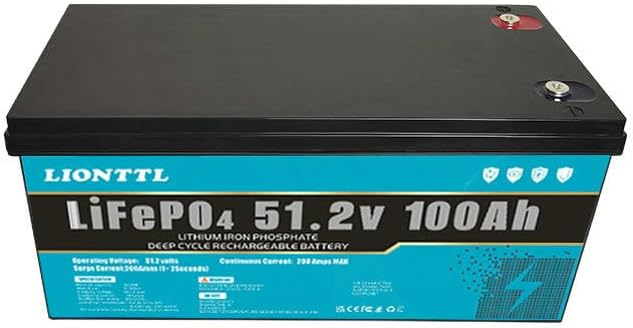
48V 100Ah LiFePO4
5,120Wh at 48V — the entry point for home solar storage. Compatible with 48V hybrid inverters and solar charge controllers. 5,000+ cycles, built-in BMS. Suitable for off-grid cabins and shed installations.
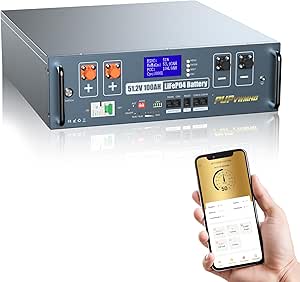
48V 100Ah WiFi & Bluetooth Server Rack
Server rack mount format — stacks neatly in a standard 19" rack enclosure. WiFi and Bluetooth monitoring via app. 8,000+ cycles. The most feature-complete 48V option on the page for serious home solar storage installations.
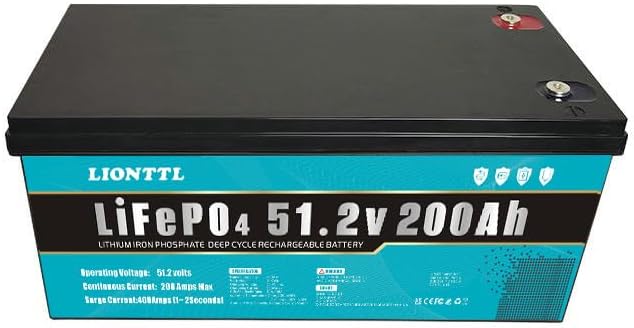
48V 200Ah LiFePO4 — Maximum Capacity
10,240Wh — the highest capacity battery on the page. 10kWh of storage covers most UK homes for a full day of essential use. Built-in BMS, 5,000+ cycles. The serious option for whole-property off-grid or solar storage.
Prices correct at May 2026. Always check current price on Amazon before purchasing.
Which Battery is Right for You?
Answer 5 questions — we'll match you to the right battery
If we can't match your exact budget, we'll show you our best picks closest to your target.
Leisure Battery — Frequently Asked Questions
Everything you need to know before buying.
What's the difference between LiFePO4 and AGM?
LiFePO4 (Lithium Iron Phosphate) and AGM (Absorbed Glass Mat) are fundamentally different battery technologies. LiFePO4 is a lithium chemistry — lighter, more energy-dense, with a usable capacity of 80–100% and a cycle life of 5,000 to 18,000 cycles. AGM is a sealed lead acid chemistry — heavier, with a usable capacity of only 50% and a cycle life of 500–3,000 cycles.
In practical terms, a 100Ah LiFePO4 gives you 80–100Ah of usable power. A 100Ah AGM gives you 50Ah before you risk damaging the battery. To match a 100Ah LiFePO4 in real-world capacity, you'd need a 200Ah AGM — which is heavier and more expensive. Over a 10-year period, LiFePO4 almost always costs less in total once replacement costs are factored in.
Can I replace my AGM battery with LiFePO4?
Yes — in most cases a LiFePO4 battery is a direct drop-in replacement for an AGM in the same voltage and physical size. The DCHOUSE 100Ah on this page is specifically designed for standard motorhome battery compartments.
However, there are two things to check first. Your charger must have a LiFePO4 or lithium charging profile — an old AGM-only charger uses a different voltage curve that can overcharge lithium cells. And if you have a split charge relay connecting your vehicle alternator, a DC-DC battery-to-battery charger is strongly recommended over a simple relay to avoid confusion with modern smart alternators.
Do I need a special charger for LiFePO4?
Yes. Never charge a LiFePO4 battery with a charger that only has AGM or standard lead acid profiles. Lead acid chargers apply a higher absorption voltage that can overcharge lithium cells, causing permanent capacity loss and potentially damaging the BMS.
You need a charger with a dedicated LiFePO4 or lithium charging profile, or a smart charger with adjustable voltage cutoff set to 14.6V for 12V LiFePO4. Most modern multi-stage chargers include a lithium mode. Check your charger manual before connecting to any LiFePO4 battery.
What does low-temperature protection do?
Charging a LiFePO4 battery below 0°C causes a process called lithium plating — metallic lithium deposits form on the anode rather than intercalating properly into the graphite structure. This is irreversible and permanently reduces the battery's capacity.
Batteries with low-temperature protection include a sensor and a heating element or cutoff circuit that prevents charging when the internal temperature drops below approximately 0–5°C. The battery can still discharge in cold temperatures — it just won't accept a charge until it warms up. For UK year-round outdoor use in motorhomes, narrowboats and sheds, low-temperature protection is strongly recommended.
How long will a LiFePO4 battery last?
At one full cycle per day, a battery rated at 5,000 cycles lasts approximately 13 years. The Rvpozwer batteries on this page are rated at 18,000 cycles — nearly 50 years at one cycle per day, though the battery chemistry will naturally degrade over calendar time regardless of cycle count.
In practice, most leisure users do not complete a full cycle every day. A motorhome used at weekends might complete 100–150 cycles per year, giving a 5,000-cycle battery a theoretical lifespan of 30+ years. The calendar lifespan of LiFePO4 is typically quoted at 10–15 years under normal operating conditions. Either way, LiFePO4 outlasts AGM by a factor of three to five in real-world leisure use.
Can I connect batteries in series or parallel?
Yes — but only connect identical batteries from the same manufacturer and ideally the same production batch. Mismatched batteries have different internal resistances and charge at different rates, causing imbalance that degrades both batteries faster.
Connecting in series increases voltage — two 12V batteries in series gives 24V. Connecting in parallel increases capacity — two 12V 100Ah batteries in parallel gives 12V 200Ah. Always use equal-length cables when connecting in parallel to ensure balanced current distribution. Check the manufacturer's guidance before connecting multiple batteries as some BMS units have specific parallel connection requirements.
What size battery do I need for my motorhome?
Start by estimating your daily power consumption. A typical motorhome with LED lighting, a 12V compressor fridge, water pump and phone charging uses approximately 800–1,200Wh per day. For LiFePO4, size your bank at 1.5× your daily use to avoid regularly depleting below 20% — so 1,200–1,800Wh, which means a 100Ah 12V LiFePO4 (1,280Wh) is a good starting point for light to moderate use.
If you run a laptop, a larger fridge, or want two or more days of autonomy between charges, a 200Ah (2,560Wh) bank is the sweet spot for most motorhome users. Add a 200W solar panel and you'll rarely need shore power from spring to autumn in the UK.
Is LiFePO4 safe to use indoors and in enclosed spaces?
Yes — LiFePO4 is sealed and does not produce hydrogen gas during charging, unlike flooded lead acid batteries which require ventilation. LiFePO4 can be safely installed in enclosed battery compartments, under seats, in lockers and inside habitable spaces.
AGM is also sealed and safe in enclosed spaces. Only flooded lead acid (wet cell) batteries require ventilation — these should never be installed in completely sealed compartments as hydrogen accumulation creates an explosion risk. None of the lead acid batteries on this page are flooded — the SuperBatt models are sealed maintenance-free units safe for enclosed installation.
Can I charge from solar and mains at the same time?
Yes — LiFePO4 batteries can accept charge from multiple sources simultaneously, provided each source connects through its own appropriate controller. A solar MPPT charge controller and a mains battery charger can both be connected to the same LiFePO4 battery at the same time without issue. The BMS manages incoming current and protects against overcharge from either source.
The combined charge current should not exceed the battery's maximum charge current rating — typically equal to the Ah capacity (a 100Ah battery accepts up to 100A charge current). In practice, a 200W solar panel produces a maximum of around 15A and a typical mains charger delivers 20–30A, so simultaneous charging from both is well within limits for most batteries on this page.
What is a BMS and do I need one?
A Battery Management System is an electronic circuit built into every LiFePO4 battery that monitors and protects the cells at all times. It handles cell balancing, overcharge protection, over-discharge protection, short circuit protection and temperature monitoring. Without a BMS, a lithium battery would be both dangerous and unreliable.
Every LiFePO4 battery on this page has a built-in BMS — you do not need to purchase or install one separately. AGM and lead acid batteries do not contain a BMS as they do not require active cell management, but they also do not have automatic protection against deep discharge — which is why you must manage their state of charge manually and never discharge below 50%.
Is LiFePO4 a fire risk? — LiFePO4 vs lithium-ion explained
This is one of the most important questions to understand before buying any lithium battery. There are several different lithium battery chemistries and they have very different safety profiles. The lithium-ion batteries in laptops, smartphones and some electric vehicles use NMC (Nickel Manganese Cobalt) or NCA (Nickel Cobalt Aluminium) chemistry. These chemistries are energy-dense but thermally unstable — they can enter thermal runaway under certain conditions, generating extreme heat and potentially catching fire.
LiFePO4 (Lithium Iron Phosphate) is fundamentally different. It has a much more stable crystal structure that does not undergo thermal runaway under normal operating conditions. LiFePO4 does not combust if punctured, overcharged or short-circuited in the way that NMC cells can. It is classified as non-flammable at operating temperatures. This is why LiFePO4 has become the standard chemistry for leisure, marine and off-grid energy storage — it offers lithium performance with a safety profile far superior to other lithium chemistries.
Every battery on this page is LiFePO4. None use NMC or NCA chemistry. Installed correctly with appropriate fusing and a compatible charger, LiFePO4 batteries are safe for use in motorhomes, narrowboats and enclosed spaces.