Gemshore Power Shop
Everything We Recommend.
All in One Place.
Independently selected kit — solar panels, power stations, batteries and hardware. Real specs, UK certified, no sales noise.
✓ UK certified products only
✓ Independently selected
✓ No sponsored listings
✓ Amazon affiliate — no extra cost to you
Shop Solar Solutions
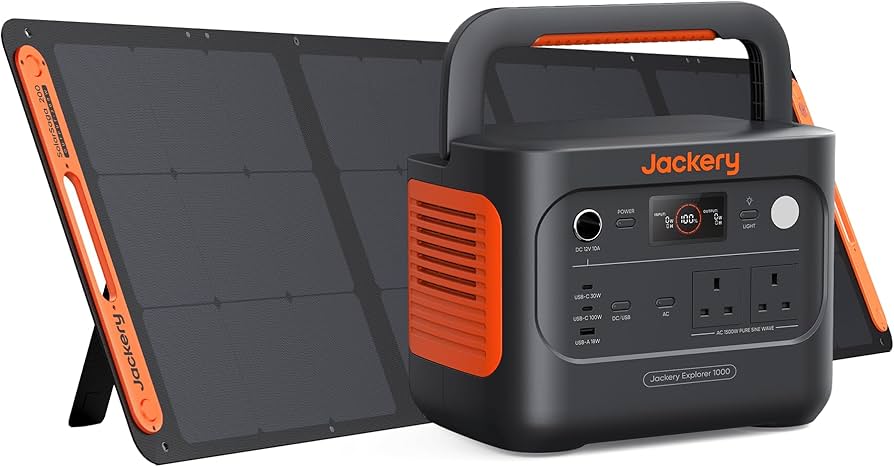
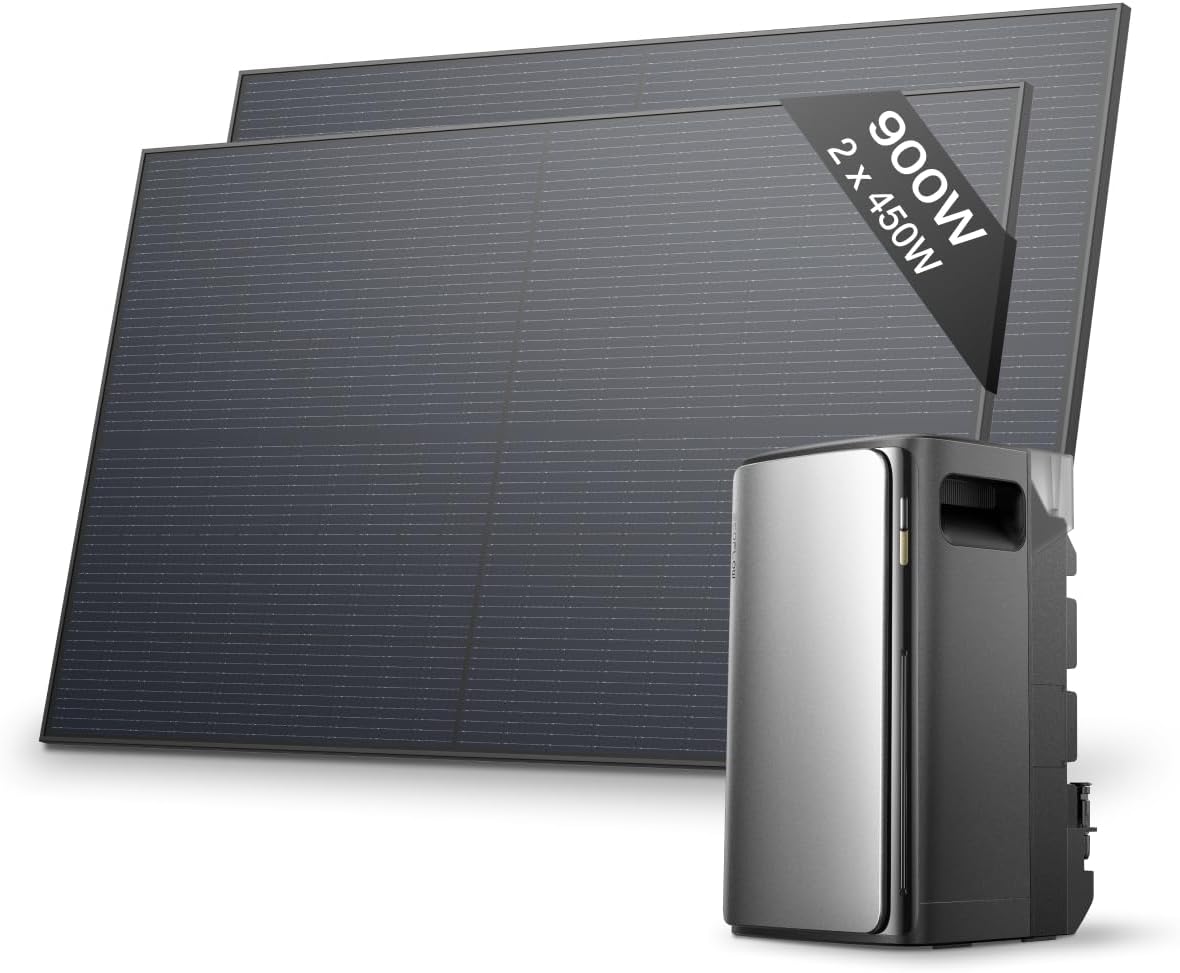

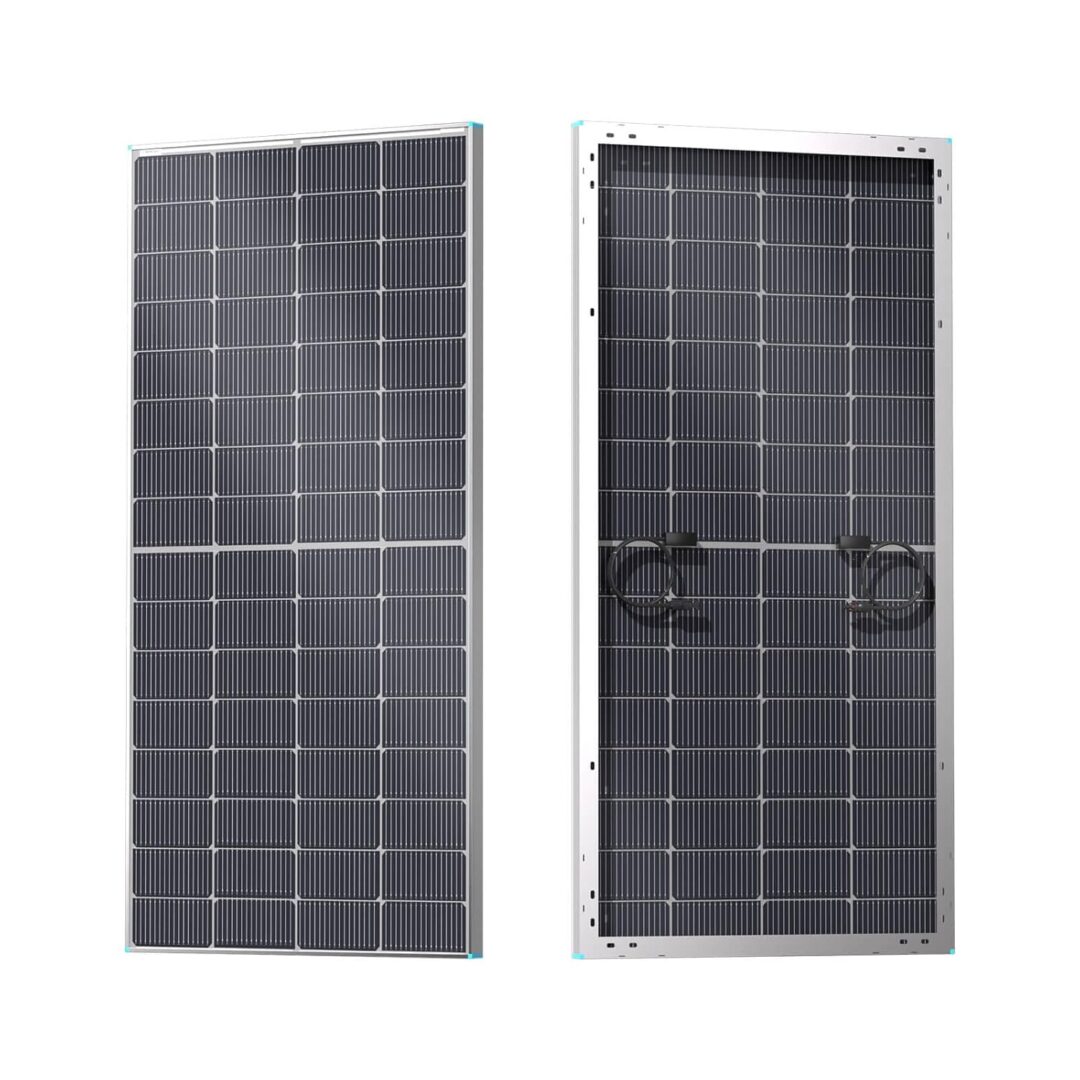
Shop Backup Power & Gadgets
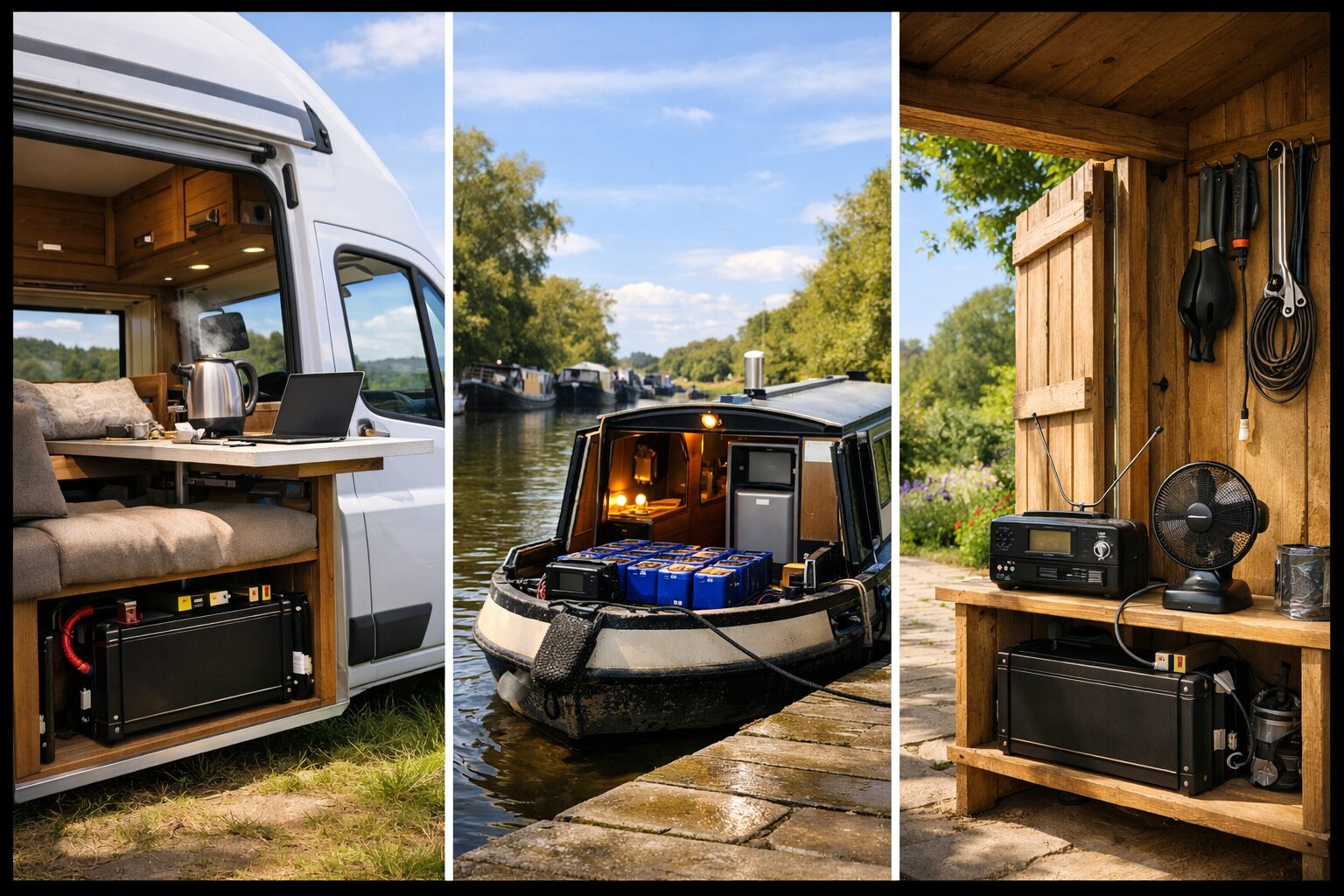
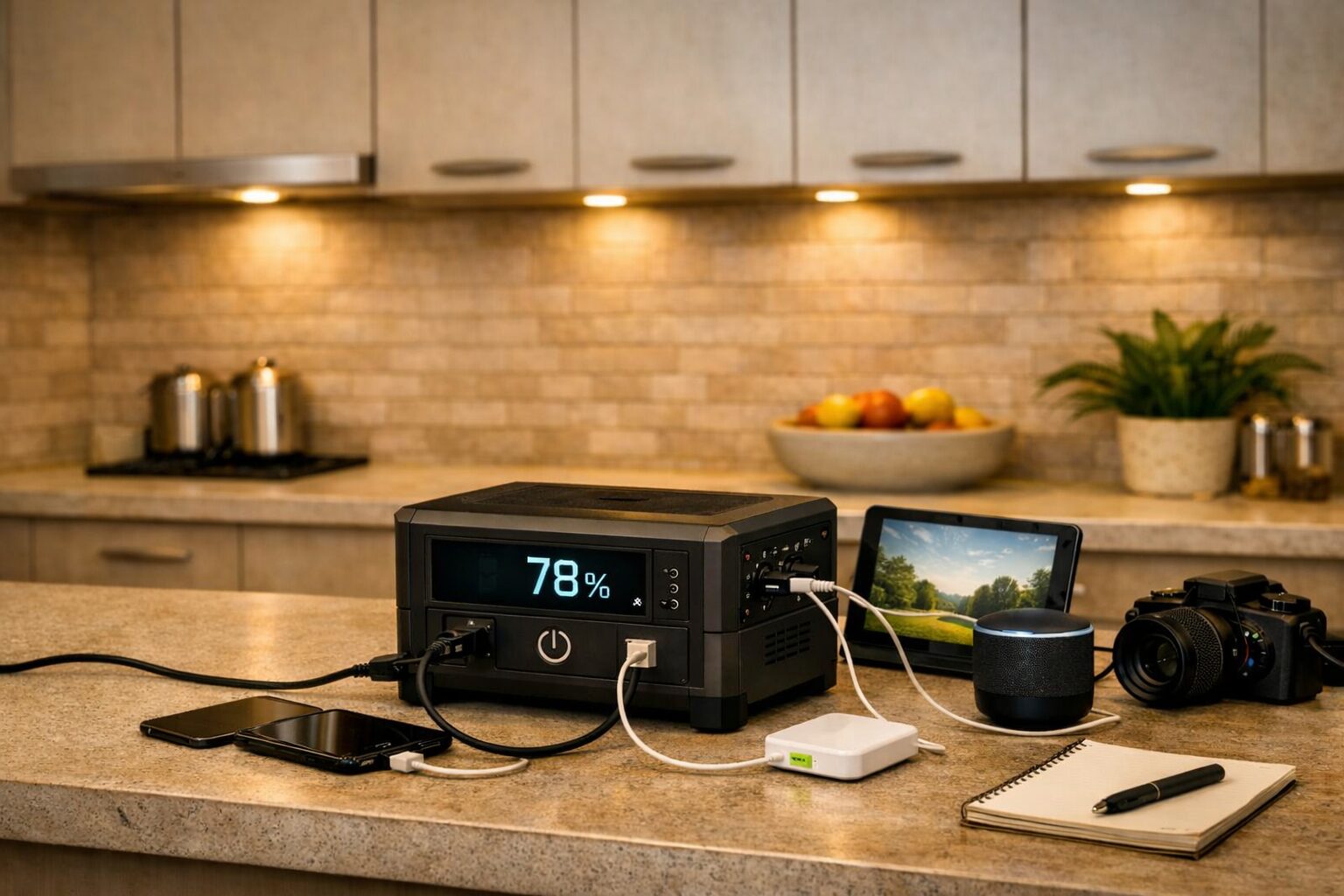
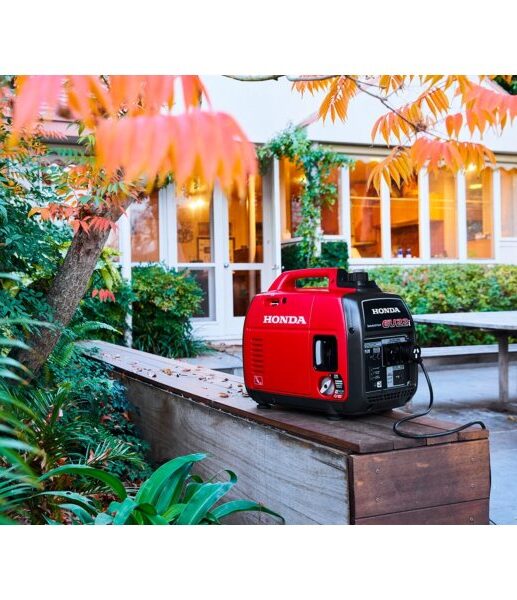
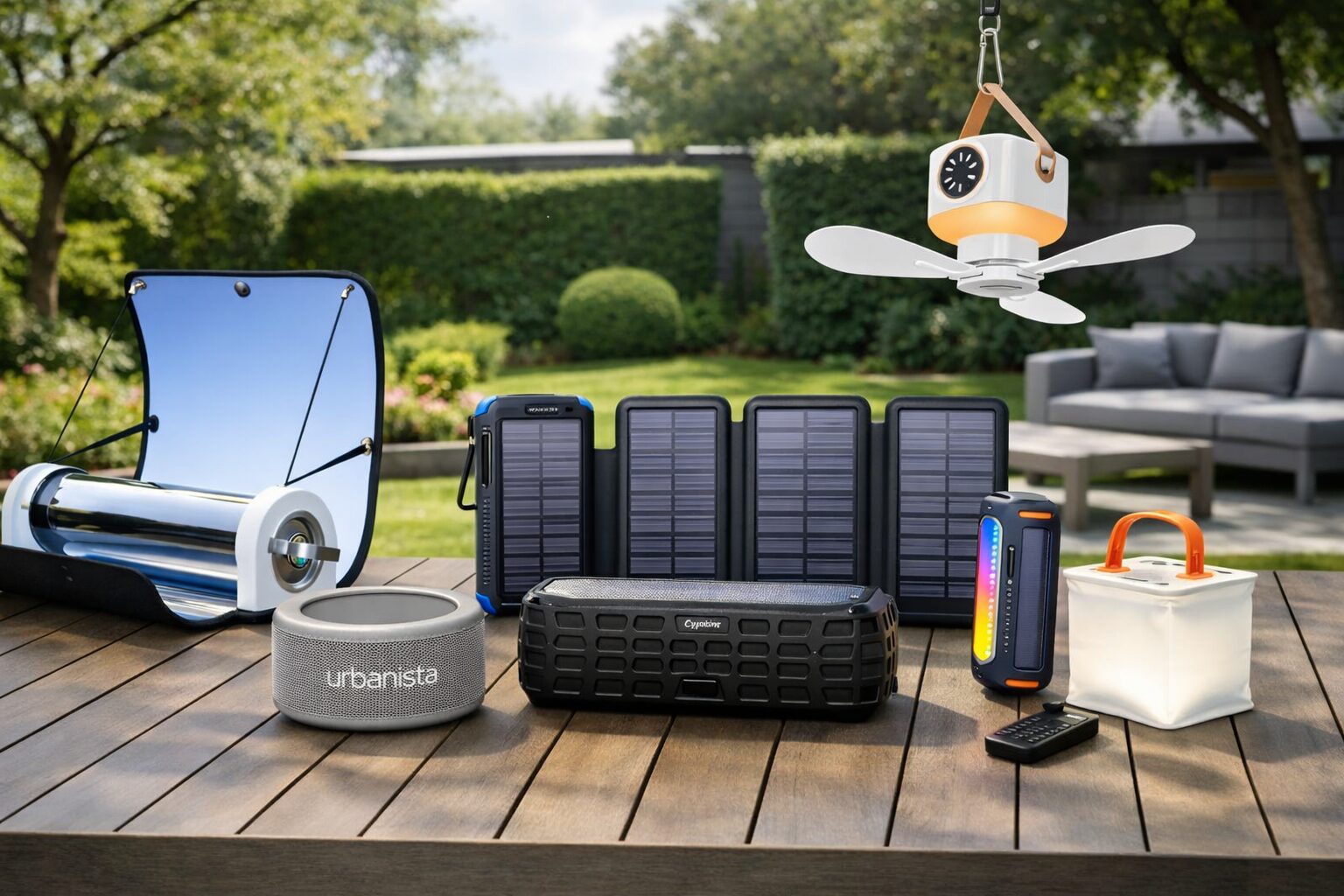

Are all the electrical products featured in these shops certified for UK use?
- Yes, every product listed across our directories features full UKCA or CE certification.
- Inverter equipment complies strictly with national G98 and G99 grid-tied regulations.
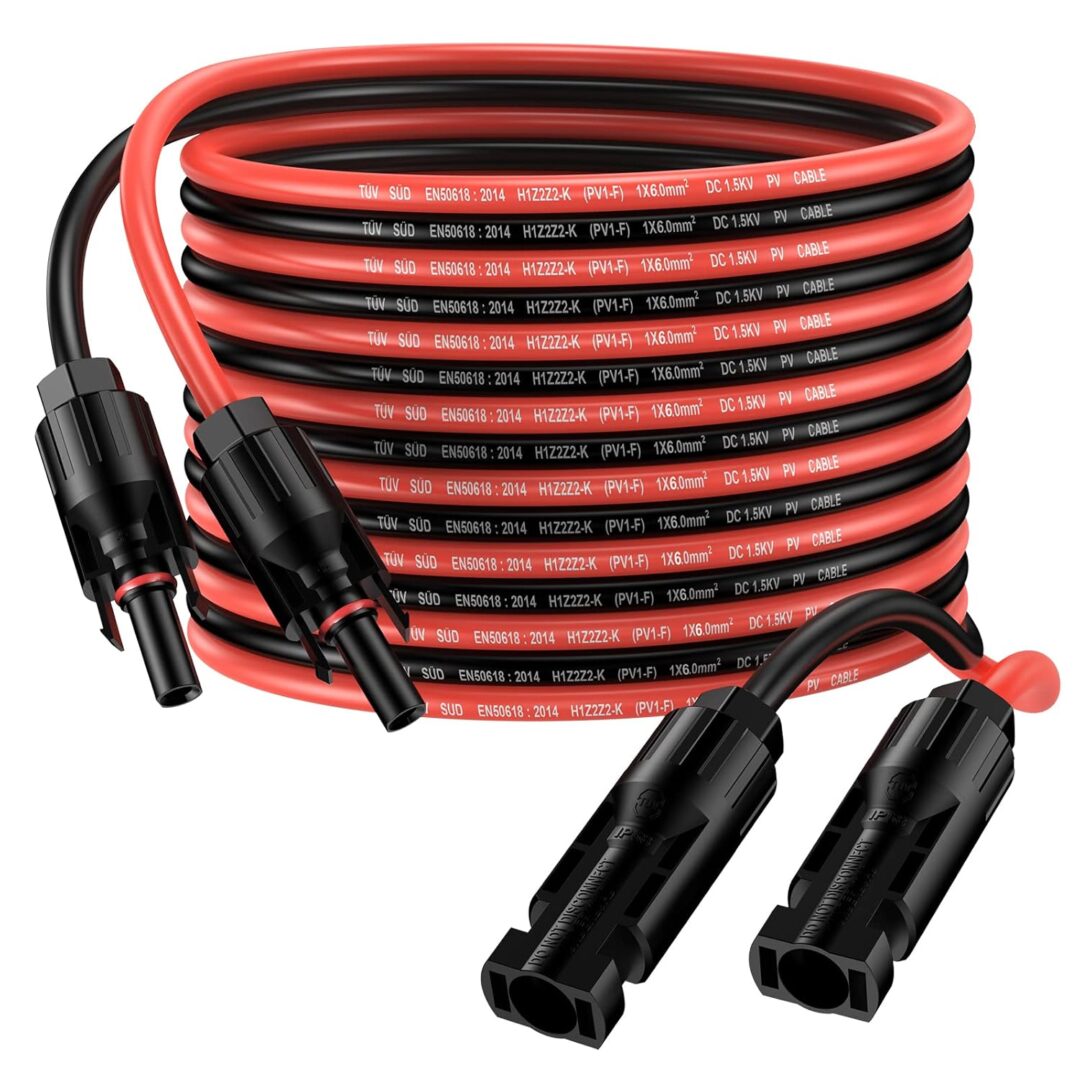
- Cabling assets match high-voltage outdoor safety tracking requirements.
How do I choose between portable backup gear and permanent solar hardware?
- Select portable units if you require instant, zero-installation emergency power protection.
- Invest in high-capacity roof hardware arrays to lower standard daily grid billing long-term.
- Most balanced UK property setups combine elements from both strategies.
- Compare baseline storage footprints inside our Best Solar Batteries directory.
Do retail solar kits qualify for 0% VAT incentives?
- No, standalone hardware purchases carry the standard UK 20% VAT rate.
- The 0% government tax incentive requires unified, professional MCS-certified installation services.
- However, sourcing hardware independently bypasses expensive corporate installation contractor markups entirely.
- Review high-capacity kit parameters using our Best Solar Systems Over 800W store.
What is the safest way to connect outdoor panel strings to indoor backup packs?
- Always route outdoor current loops through dedicated, heavy-duty UV-stabilised wires.
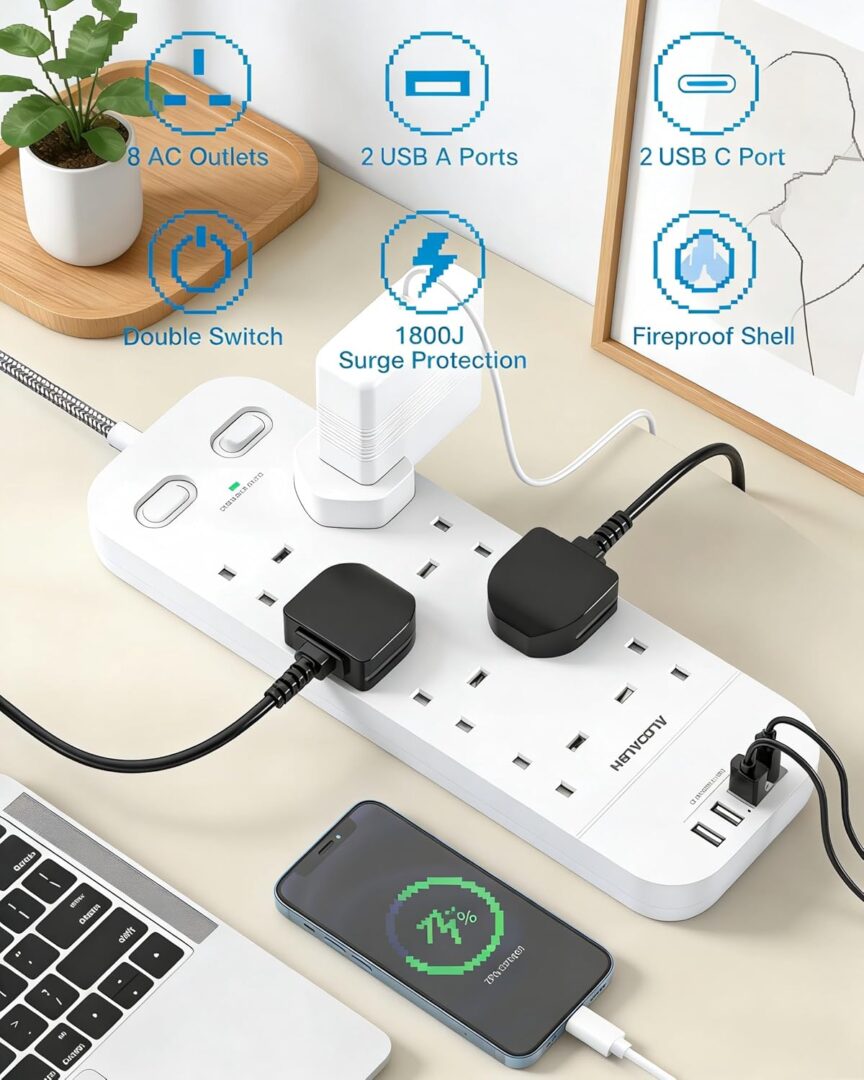
- Install dedicated transient overvoltage shielding devices before entering home lines.
- This structural separation safely protects sensitive internal charger chips from atmospheric spikes.
- Source certified transmission components inside Best Solar Cables & Connectors.
What size solar system do I need for a typical UK home?
- A standard 3-4 bedroom UK property typically requires a 3.5kWp to 4kWp array to cover the majority of daytime consumption.
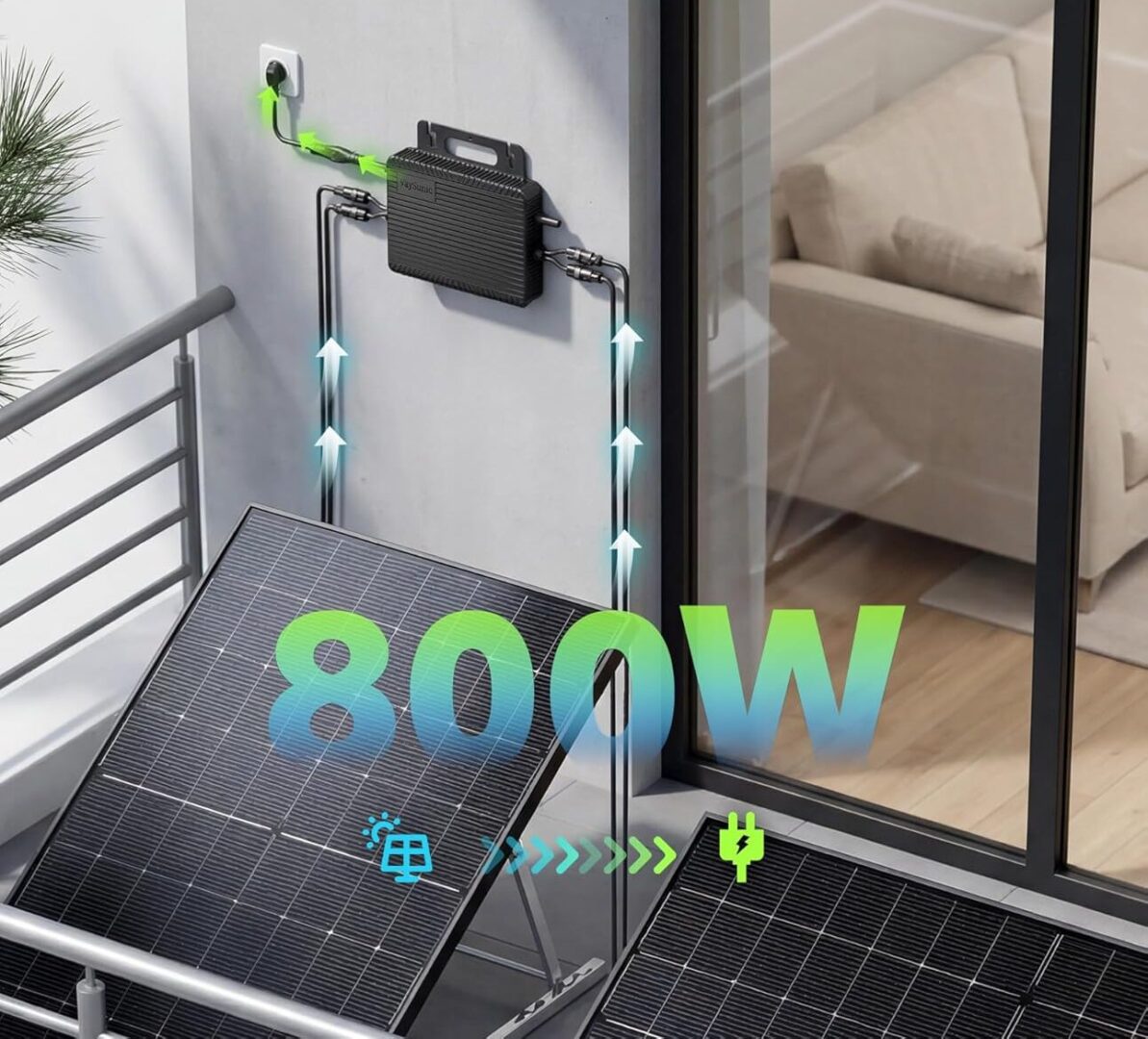
- Smaller plug-in systems from 200W to 800W are effective for offsetting specific high-draw appliances such as washing machines, kettles, and EV chargers.
- Adding a battery storage unit extends the usable window of solar-generated power into evening hours, significantly improving return on investment.
- Use our Plug-In Solar Power guide as a low-commitment starting point before scaling up.
UK note: Average UK household consumption is approximately 2,700–3,100 kWh per year. A well-positioned 4kWp system generates around 3,400 kWh annually under standard UK irradiance conditions.
Can I install plug-in solar panels without a qualified electrician?
- Plug-in solar systems rated under 800W and connected via a standard 5A fused socket are legally self-installable under current UK regulations without notifying your DNO.
- Systems above 800W require G98 notification to your Distribution Network Operator before operation.
- Roof-mounted systems connected directly to your consumer unit must be installed by a Part P certified electrician regardless of output rating.
- All products in our Plug-In Solar directory are selected specifically for straightforward self-installation compliance.
UK note: Always confirm your specific DNO threshold requirements before installation. Some network operators apply stricter local limits than the national G98 baseline.
What is the difference between G98 and G99 grid notification?
- G98 applies to micro-generation systems up to 3.68kW per phase — a straightforward notification submitted to your DNO within 28 days of installation.
- G99 applies to larger systems above 3.68kW per phase and requires full pre-approval from your DNO before any installation work begins.
- Failure to notify under G98 or obtain G99 approval can invalidate your home insurance and void product warranties on connected inverter hardware.
- Review compliant inverter specifications inside our Solar Inverters and Chargers directory.
How long do solar batteries typically last?
- Lithium iron phosphate (LiFePO4) batteries — the current industry standard for home solar storage — typically deliver 3,000 to 6,000 full charge cycles before capacity drops below 80%.
- At one full cycle per day, this equates to a functional lifespan of 8 to 16 years under normal UK operating conditions.
- Portable power stations using standard lithium-ion cells typically deliver 500 to 1,000 cycles — suitable for occasional backup use rather than daily solar cycling.
- Compare long-cycle LiFePO4 storage options in our Best Solar Batteries directory.
UK note: Battery performance degrades faster in sustained high-temperature environments. UK ambient temperatures are generally well within optimal lithium cell operating ranges year-round.
What is the Smart Export Guarantee and can I benefit from it?
- The Smart Export Guarantee (SEG) is a UK government scheme requiring licensed energy suppliers to pay households for surplus solar electricity exported back to the national grid.
- To qualify, your system must be MCS-certified and you must have a smart meter installed at your property.
- Export rates vary by supplier — typically ranging from 1p to 15p per kWh depending on the tariff selected.
- Plug-in solar systems connected via a standard socket do not currently qualify for SEG payments as they cannot be metered for export.
UK note: Even without SEG eligibility, plug-in solar systems deliver strong returns purely through self-consumption offset against current retail electricity rates of approximately 24–25p per kWh.
Which solar products perform best in low UK winter light conditions?
- N-type monocrystalline panels — such as those in the BigBlue 28W range — maintain the highest efficiency ratings (24.7–25.4%) under diffuse low-light conditions, outperforming standard P-type cells in overcast winter weather.
- ETFE-laminated panel surfaces resist moisture ingress and maintain consistent light absorption through persistent UK drizzle and frost cycles.
- Solar speakers using Powerfoyle dye-sensitised cell technology — such as the Urbanista Malibu — charge from ambient indoor light, making them effective year-round regardless of outdoor conditions.
- For security cameras, the eufy SoloCam S220 requires just 3 hours of ambient daylight for full energy balance — confirmed operational through UK winter conditions by verified buyers.
UK note: South-facing panels tilted at 35–40 degrees deliver the most consistent winter generation across all UK latitudes. East or west-facing installations at optimal tilt angles typically yield 80–85% of full south-facing output.