
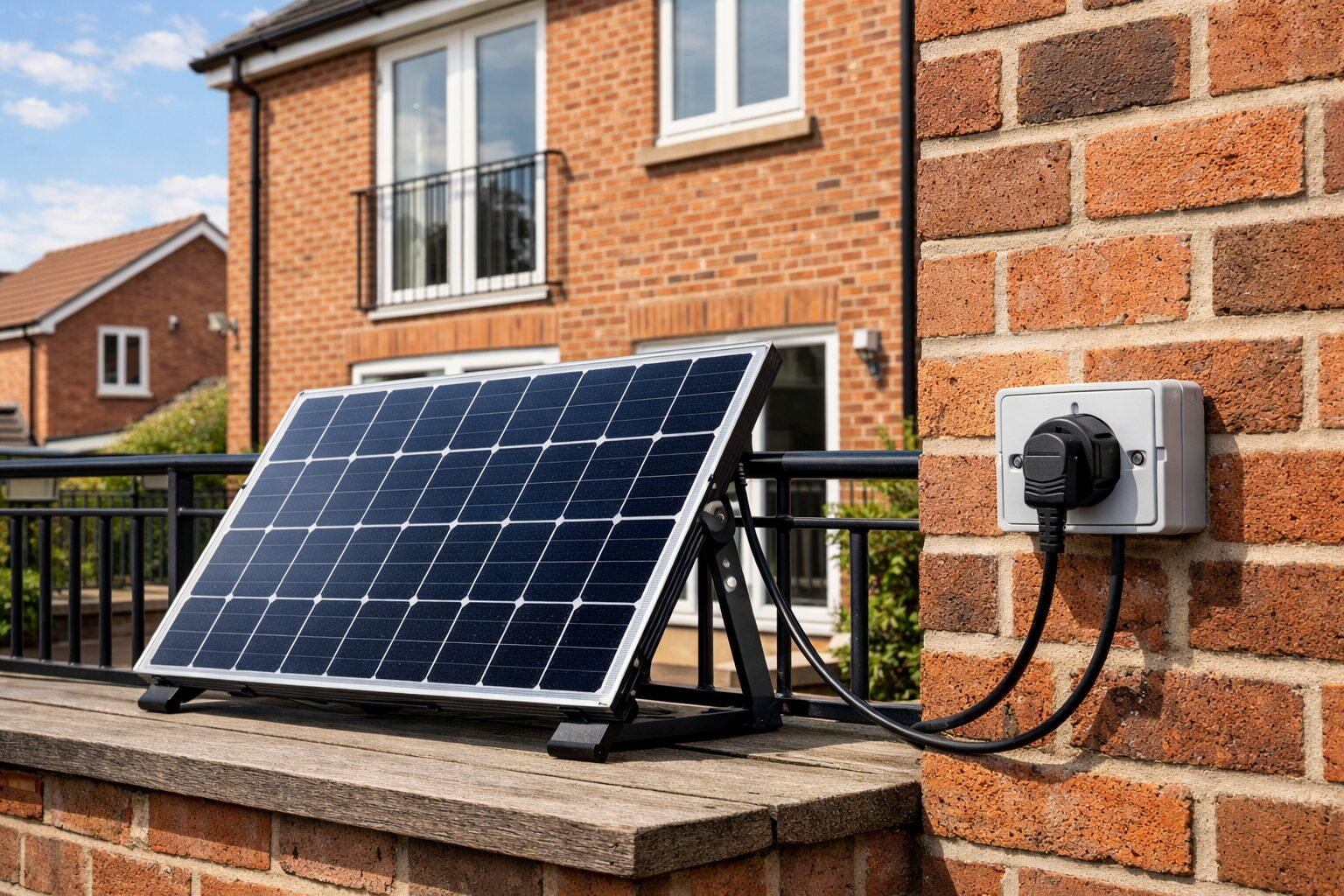
Plug-In Solar UK Update: What You Need to Know Before 22 July
Five things have happened since the consultation launched. One of them has barely been reported.
The government launched its plug-in solar consultation on 16 June 2026. The consultation closed on 30 June. A policy response is expected on 22 July. That date is now 18 days away.
Since we published our original breakdown of the three consultation documents, five things have happened that are worth knowing about. Some have been widely reported. One has barely been mentioned at all. This plug-in solar UK update covers all five, with links to the primary sources so you can check everything yourself.
The short version: nothing has changed about the legal position. You still cannot connect a plug-in solar kit to your ring main. But the picture around what is coming, when it is coming, and what it will and will not include has sharpened considerably.
If you have not read our original breakdown of what the three consultation documents actually say, start there first. It is at Plug-In Solar Is Still Not Legal to Self-Install. This plug-in solar UK update builds on that.
The Consultation Has Closed
The DESNZ plug-in solar consultation closed on 30 June 2026, on schedule. The government now has responses from consumer groups, retailers, manufacturers, insurers, industry bodies and members of the public. Those responses will inform the final policy decisions, including any amendments to legislation and the design of the interim product standard.
A summary of responses will be published on GOV.UK by 22 July 2026. That is the next hard date in the entire process. Everything flows from it.
What the 22 July publication will not do is make plug-in solar legal. It will set out the government's final position on the legislative route, confirm or amend the interim product specification, and signal what happens next. After that, a sequence of steps still needs to complete before any compliant product can legally go on sale in the UK.
The government has said products in shops within months. Independent experts who attended the 16 June retailer roundtable with Minister Martin McCluskey were more measured. Representatives from Amazon, Asda, B&Q, Currys, Lidl, Screwfix and Wickes — a combined network of nearly 4,000 stores — confirmed they are preparing to stock compliant kits. But industry voices at the same meeting called a summer 2026 retail launch unrealistic.
Late 2026 is the earliest date that makes sense when you look at what still has to happen. Early 2027 is possible.
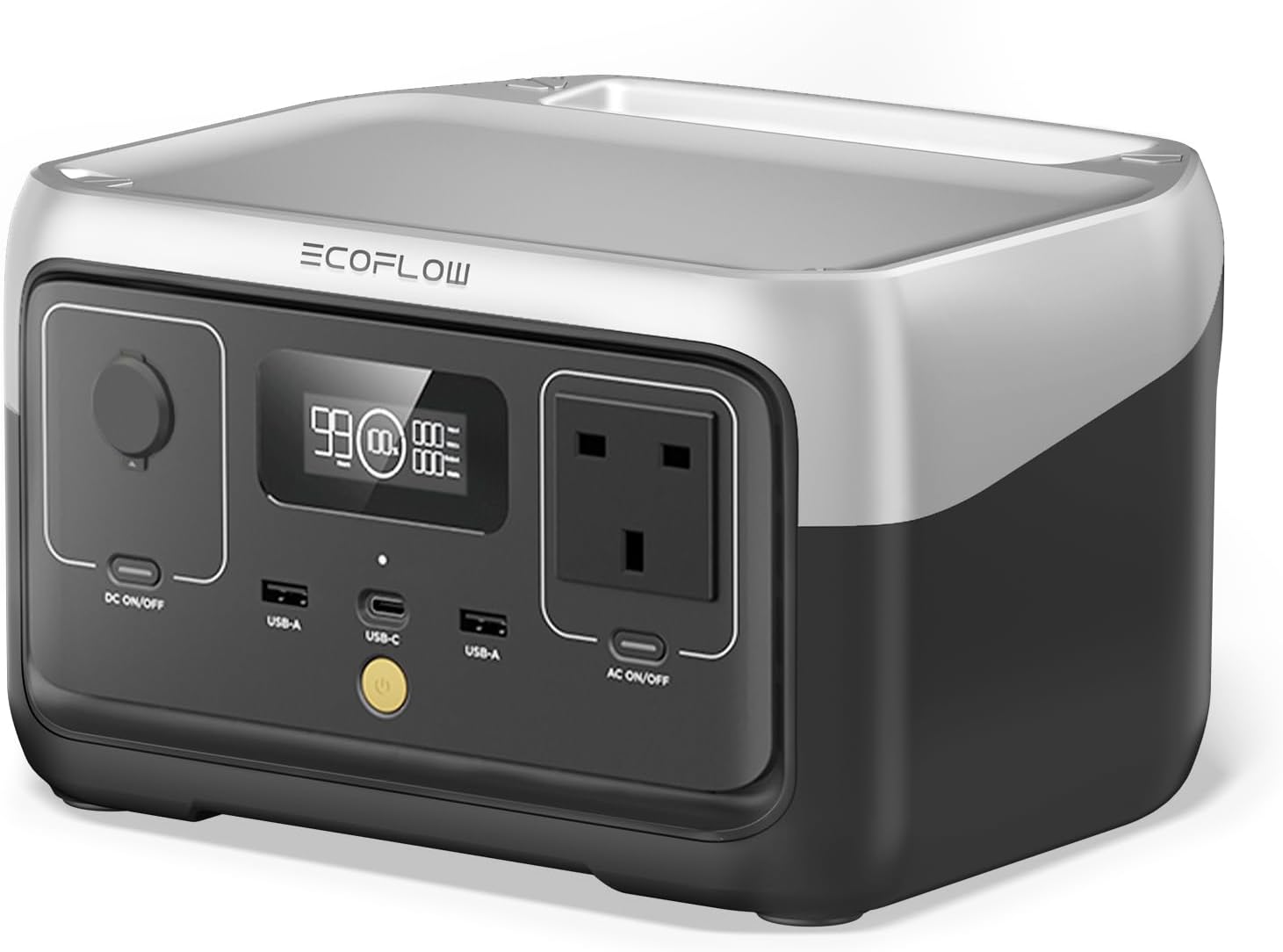
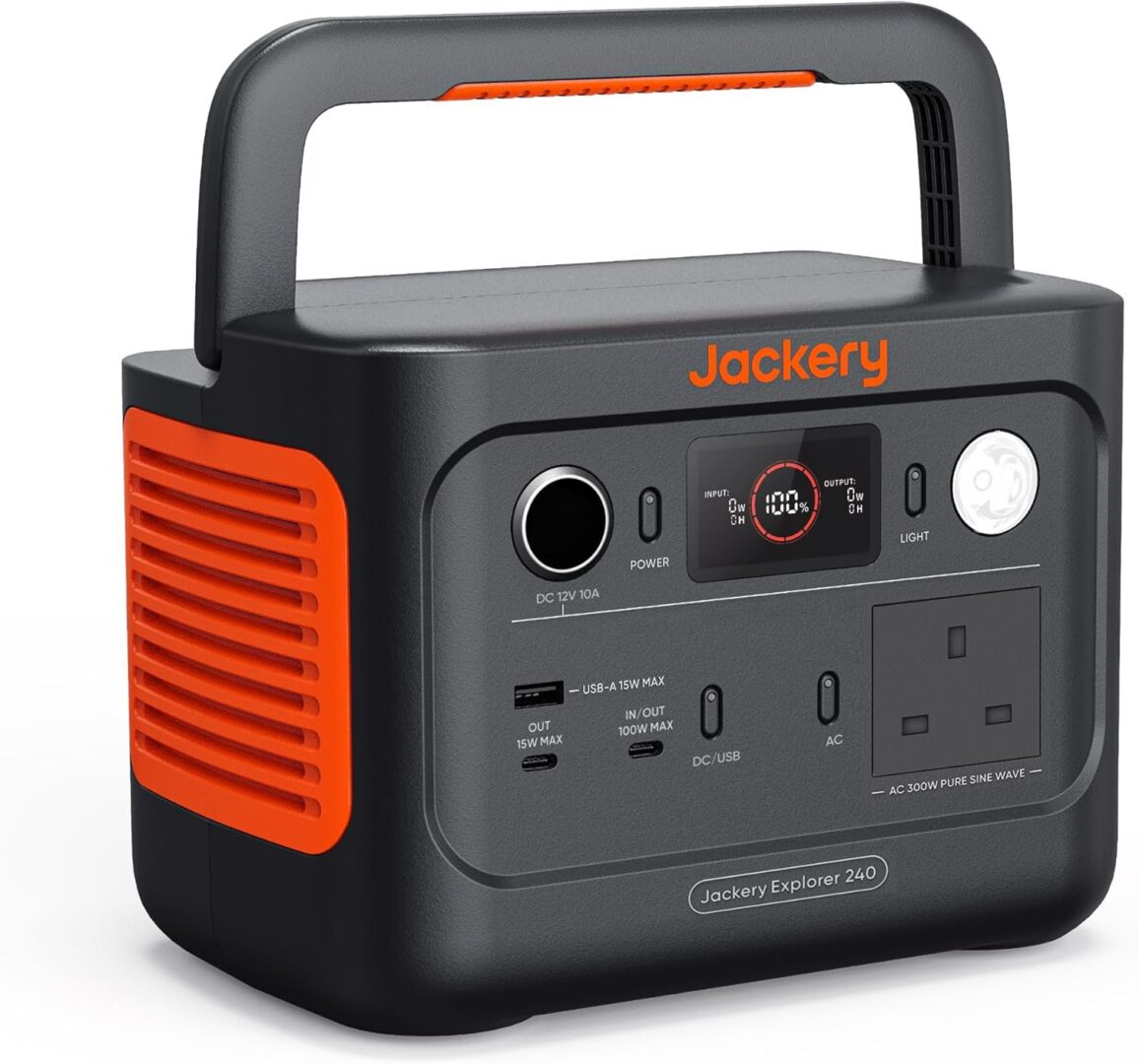
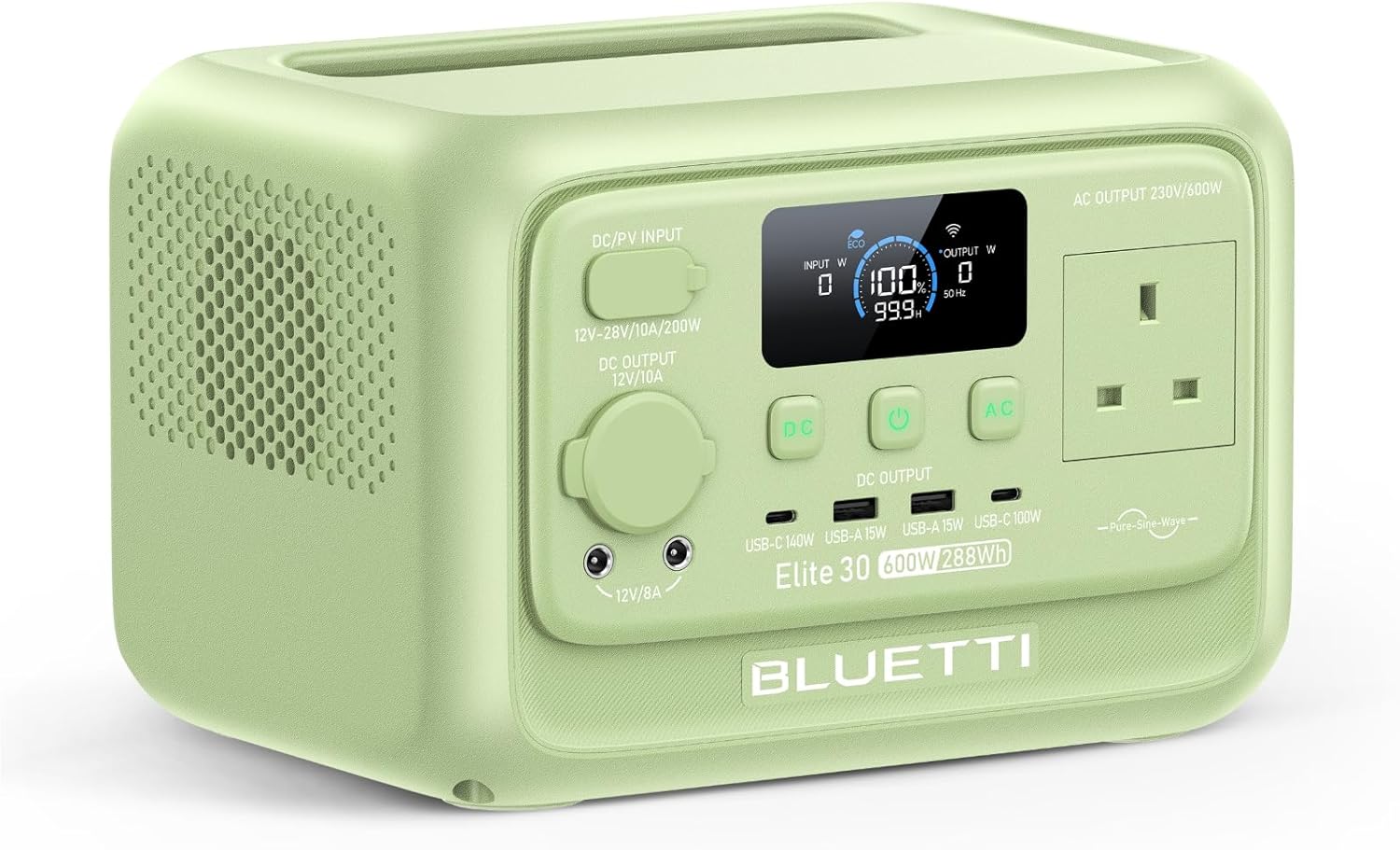
EcoFlow Was Pulled Up by the ASA
In April 2026, the Advertising Standards Authority ruled against EcoFlow Innovation UK for a claim made on their STREAM product page. The claim was this: "Effortless DIY installation. No electrician required."
The ASA found it misleading. In the UK, the EcoFlow STREAM DIY Cable must be wired into the distribution board by a certified installer or electrician. That requirement appeared in a list of questions near the bottom of a lengthy webpage. It was not linked to the main claim. The ASA ruled that consumers could go through the entire process of purchasing a STREAM solar panel without being made aware of the requirement for professional installation. The disclaimer directly contradicted the main claim and was therefore misleading.
EcoFlow breached CAP Code rules 3.1 and 3.3 on misleading advertising and rule 3.9 on qualification. The ruling is published on the ASA website.
This ruling matters because EcoFlow is the most visible brand in the UK plug-in solar market right now. Their products appear at the top of Amazon search results. Their marketing has shaped what a significant number of UK consumers believe about plug-in solar installation. The ASA ruling confirms that belief was built on a misleading claim.
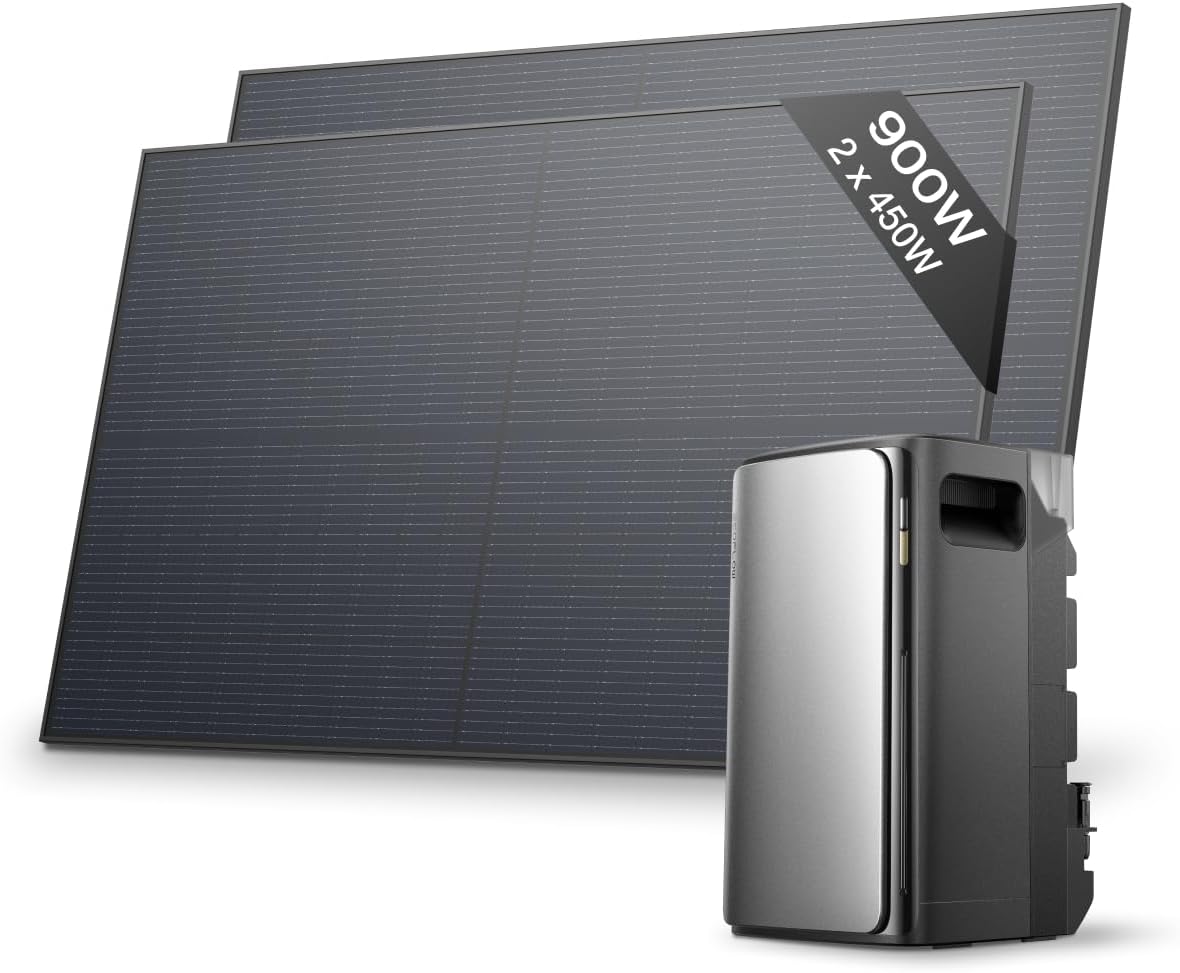
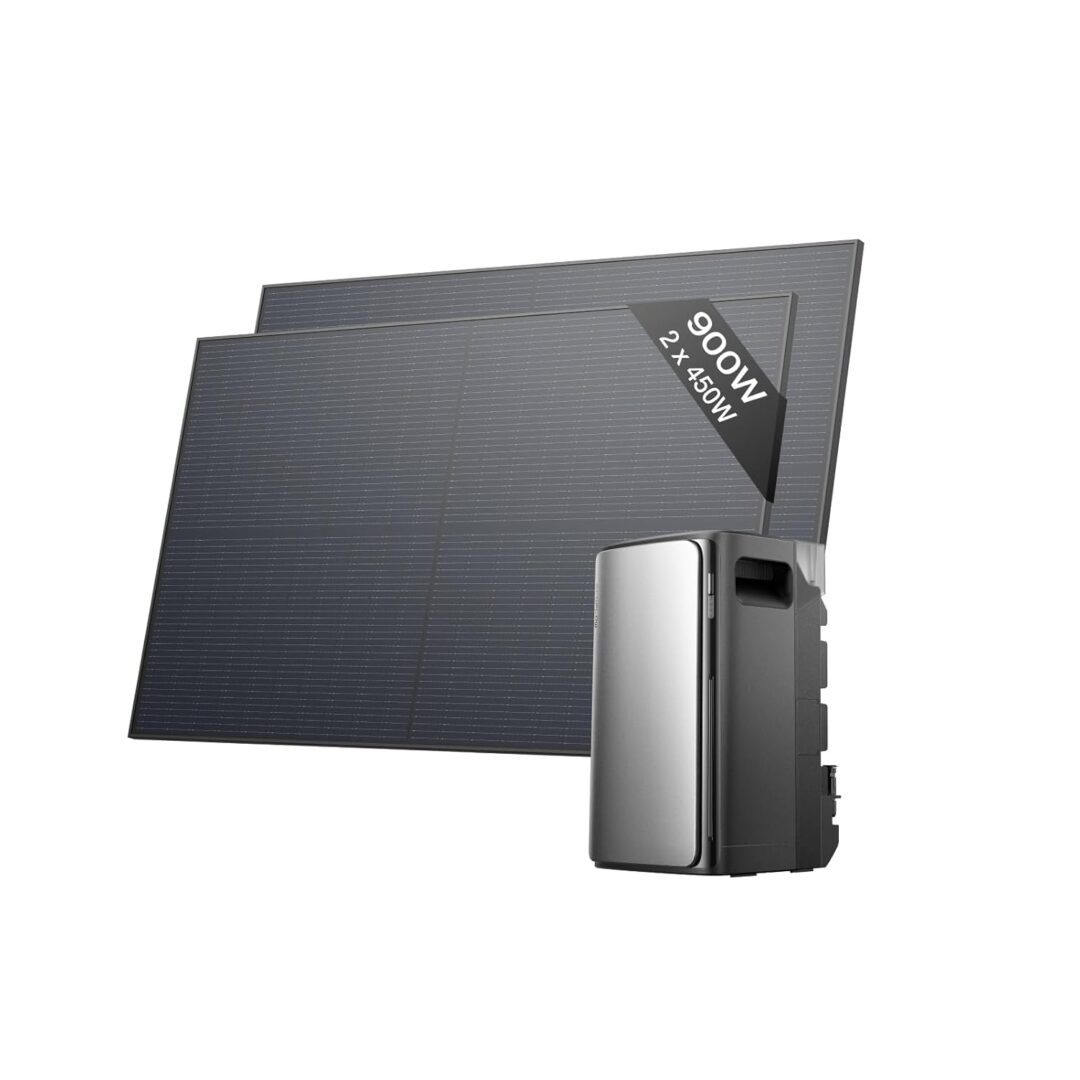
It also confirms something we covered in detail in our original post. No product currently on Amazon UK meets the interim product specification. The EcoFlow STREAM requires a certified electrician to wire the DIY Cable into the distribution board. That is not plug-in solar in the sense the consultation is working towards. It is a hardwired system with a misleading name.
The legal self-install route does not exist yet. Panels into a standard UK wall socket, no electrician, no G98 notification required at point of install. That product is not on sale. The ASA ruling is the clearest possible illustration of why the government consultation matters and why the interim product specification sets the bar where it does.
The STREAM is a hardwired product. It must be connected to your consumer unit by a qualified electrician. If it has been self-installed via a wall socket without professional electrical work, that installation is not compliant with UK wiring regulations.
If you are unsure about the status of your installation, have it checked by a registered electrician. Our plug-in solar safety guide covers the RCD requirements, home insurance implications, and what a compliant hardwired installation looks like. For finding a registered installer, see our installer page.

Octopus Energy Has Launched a Plug-In Home Battery
On 22 June 2026, Octopus Energy announced the Nook range at its Energy Tech Summit. Two products. One for renters, one for homeowners. Both aimed squarely at the audience that plug-in solar is also trying to reach.

The Nook Cube is the product that matters for the renter and flat dweller audience. It is a 2kWh plug-in home battery. Shoebox sized. Plugs into a standard socket. Stackable up to 10.5kWh. Controlled via the Octopus app. Unlike traditional industrial-looking home batteries, Octopus has gone with bold magenta-pink and black styling. It is designed to sit in a living space, not hide in a garage.
The Nook Colossus is the homeowner product. Wall-mounted, engineer installed, 5kWh and 10kWh models, stackable up to 30kWh. Solar compatible. 12-year warranty on both products. Available across the UK, Germany, France, Italy and Spain from 2027.
2kWh capacity. Plugs into a standard socket. No engineer required.
Stackable up to 10.5kWh across multiple units.
Controlled via the Octopus app. Solar compatible.
Available 2027. Pricing not yet confirmed.
5kWh and 10kWh models. Wall-mounted. Engineer installed.
Stackable up to 30kWh.
Solar compatible. 12-year warranty.
Available 2027 across UK, Germany, France, Italy and Spain.
Two things to understand about the Nook Cube in the context of this plug-in solar UK update.
First, it is not a plug-in solar product. It is a home battery. It stores electricity from the grid, charged overnight on a cheap tariff like Octopus Go, and discharges it when grid rates are higher. It is solar compatible but it does not generate electricity. It is a storage product, not a generation product.
Second, it sits completely outside the DESNZ plug-in solar consultation and the interim product specification. Battery storage systems are explicitly excluded from that framework. The Nook Cube is a separate product in a separate regulatory category. What happens on 22 July has no bearing on it.
What it does confirm is that the market Octopus Energy is targeting is exactly the same market the plug-in solar consultation is trying to reach. Renters, flat dwellers, people who cannot get traditional solar installed. That audience is real, large and underserved. Both products are trying to serve it. Neither is available yet.
Octopus Energy has 11 million UK customers. When the Nook Cube launches in 2027 it will reach that audience at scale. You can find out more and register interest at octopus.energy/nook. For home battery storage options available now via a professional installer, see our home battery storage guide.
📅 Last updated: