
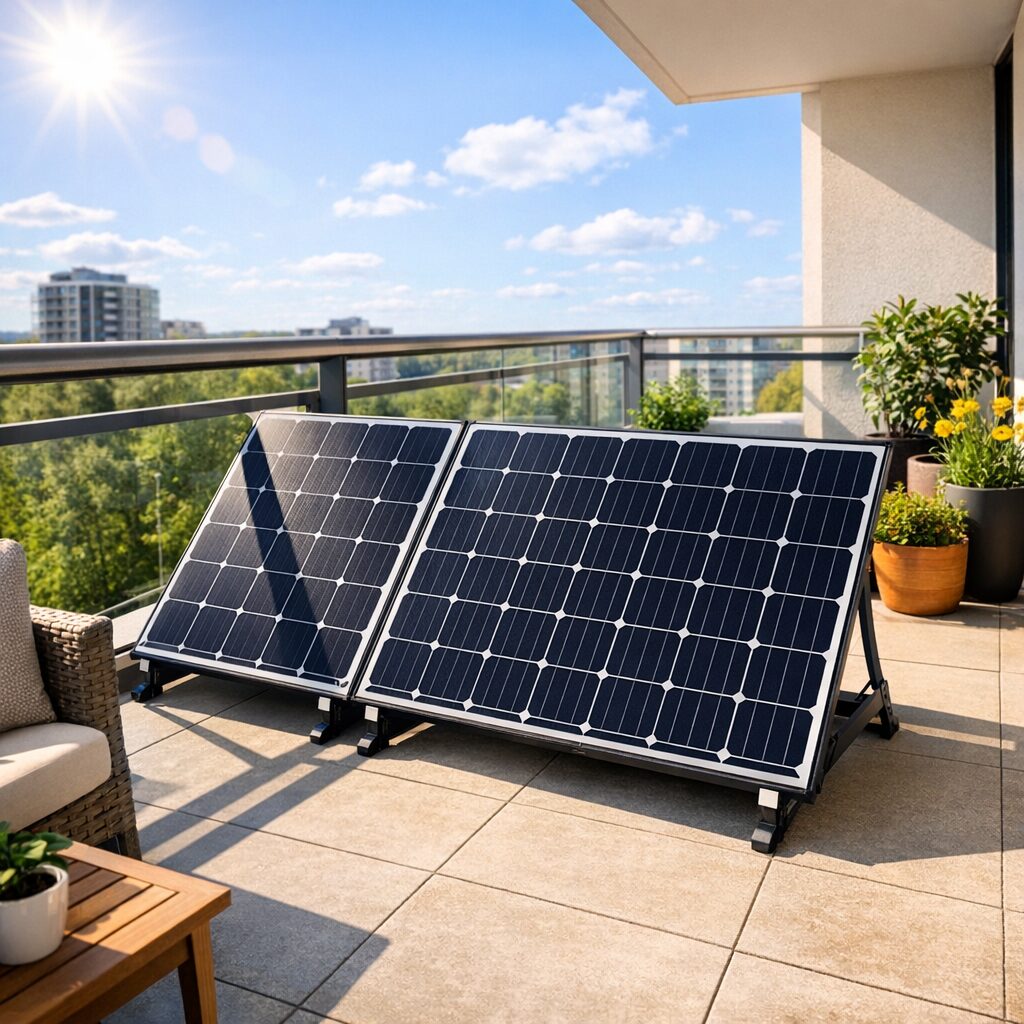
Generate and Store Your Own Power
By utilising modern solar solutions, you can transition from a passive consumer to an active energy producer. Whether you are looking for a simple plug-in kit to offset your daily base load, or a high-capacity roof array for total grid independence, Gemshore provides the technical insight and hardware recommendations to help you succeed.
Our guides focus on the latest LiFePO4 battery chemistry and N-type monocrystalline panel technology, ensuring your investment is safe, efficient and future proof against rising energy costs.
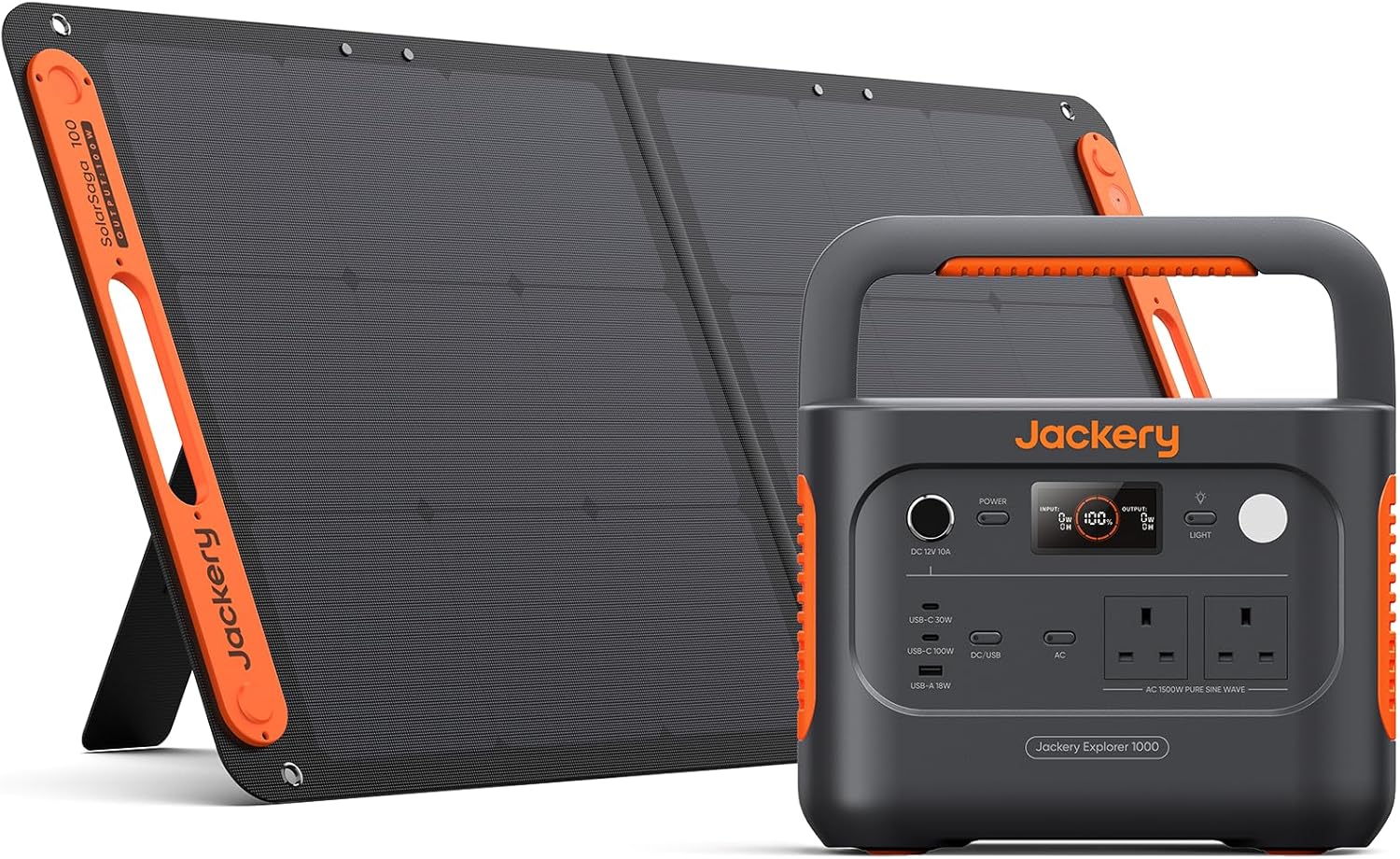
Solar Batteries
Store your free energy for use at night and achieve true resilience. We compare the best LiFePO4 storage units from 500W to 2000W plus to maximise your solar investment and prevent wasted generation. Without a battery, any solar energy you do not use during the day is sent back to the grid for a fraction of the cost you pay to buy it back later.
By integrating a dedicated storage reservoir, you time shift your power, using your afternoon generation to run your TV, lights and appliances throughout the evening.
Modern Lithium Iron Phosphate (LiFePO4) technology ensures that these batteries are safe for indoor use and capable of thousands of charge cycles, offering a decade or more of reliable service.
Whether you need a compact backup for your home office or a heavy duty powerhouse for your kitchen, we help you find the right capacity for your daily demand.

Plug-In Solar Kits (Under 800W)
The DIY energy revolution is here. Start cutting your bills instantly with safe, socket-connected solar kits designed for renters, flat owners and small homes.
These systems remove the barrier of high installation costs by using micro-inverters that plug directly into your existing 13A wall sockets. This plug and play approach allows for immediate energy offsets without the need for scaffolding or weeks of planning.
It is the perfect entry point for those living in urban environments where traditional roof access might be limited, providing a portable and modular solution that can move with you if you change properties.
By focusing on kits under the 800W legal threshold, you can enjoy the benefits of renewable energy with minimal red tape and absolute ease of use.
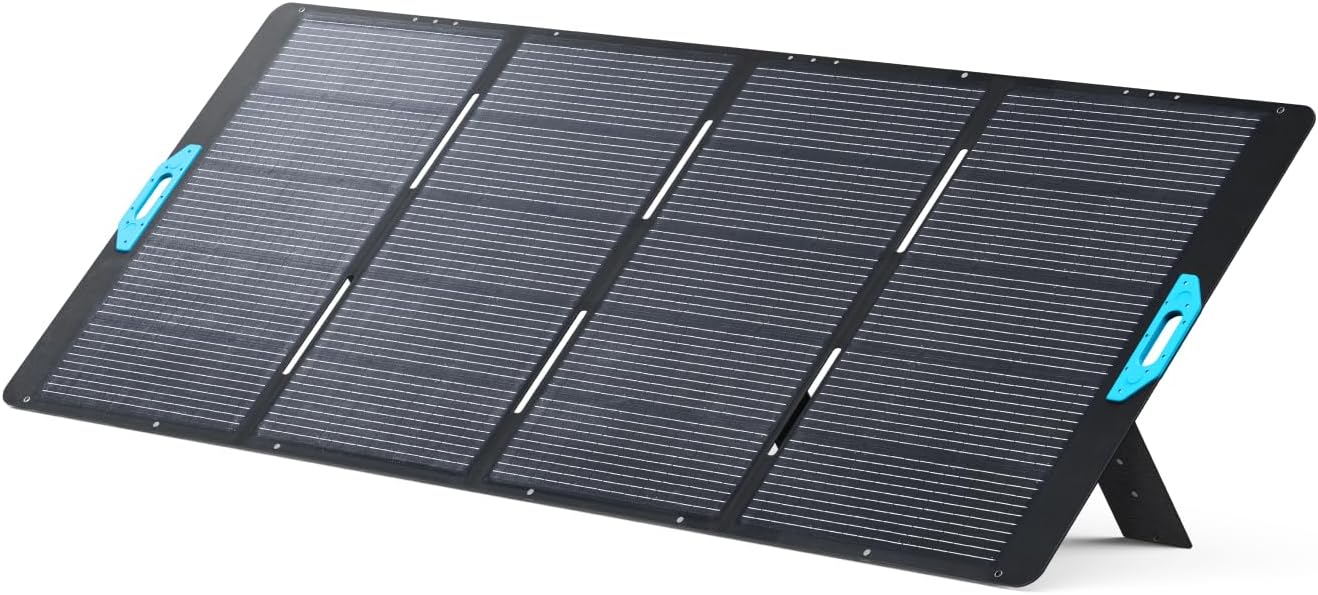
High Efficiency Panels (400W Plus)
Technical specifications and top picks for individual high-yield modules. This section is perfect for those looking to build a custom high-output system or replace existing panels with modern tech. As solar technology has evolved, the efficiency of single modules has climbed beyond 23 percent, allowing you to generate significantly more power from the same amount of roof or garden space.
We dive deep into N-type cell technology, glass to glass durability, and low light performance metrics that determine how your panels will behave during typical overcast UK winter days.
Choosing the right solar solution is about more than just the wattage on the box, it is about understanding temperature coefficients and degradation rates over a 25 year lifespan.
Our curated selection focuses on Tier 1 manufacturers that offer the best balance of peak performance and long term mechanical reliability.
Fixed Systems (Over 800W)
Professional powerhouse arrays for total home generation and grid independence.
Learn about large scale roof and garden ground mount systems and the specific UK laws regarding grid tie integration. When your energy goals exceed the 800W DIY limit, you move into the world of residential infrastructure.
These solar solutions require a more robust approach to mounting and a qualified electrical professional to handle the G98 and G99 notifications and hard wiring into your consumer unit. However, the reward is a system capable of powering major household loads, including heat pumps and electric vehicle chargers.
We explore the advantages of different mounting strategies, from permanent roof integrated rails to versatile garden A-frames, and provide the data you need to coordinate with installers. This is the ultimate path for homeowners seeking to eliminate their reliance on the grid and maximise their property value.
By installing these larger systems, you become eligible for the Smart Export Guarantee (SEG), a UK government scheme that pays you for the excess energy you generate and send back to the grid.
Which Solar Solution is Right for You?
Choosing the right setup depends on your property type, budget and long term energy goals. Plug-in systems are ideal for those who want an immediate, low cost reduction in their electricity bill without the permanence of professional installation.
They offer a unique flexibility that caters to the modern, mobile lifestyle. However, for those with high daytime energy demands or those looking to fully decarbonise their heating systems, fixed solar systems over 800W offer the massive generation capacity needed to achieve true energy freedom.
At Gemshore, we strongly recommend a generate and store approach regardless of the system size. By combining high efficiency panels with solar battery storage, you ensure that none of your harvested power is wasted.
This synergy is what allows a renewable system to pay for itself in the shortest possible time. Our guides are designed to help you navigate this complex landscape, ensuring that your equipment choices are matched perfectly to your home's specific orientation and your family's unique consumption patterns.
How Solar Fits Into a Modern UK Home
Solar is not just about panels on a roof anymore. For a typical UK home, it is a mix of four building blocks that you can add one by one.
- Panels that turn daylight into electricity
- Batteries that store it for later
- Smart inverters and controls that manage it
- Plug-in or portable options that work even if you cannot fill a roof
The right combination depends on your roof size, budget and how much control you want over your bills. This page is here to help you understand the big picture first, then send you to the right detailed guide once you know what you are aiming for.
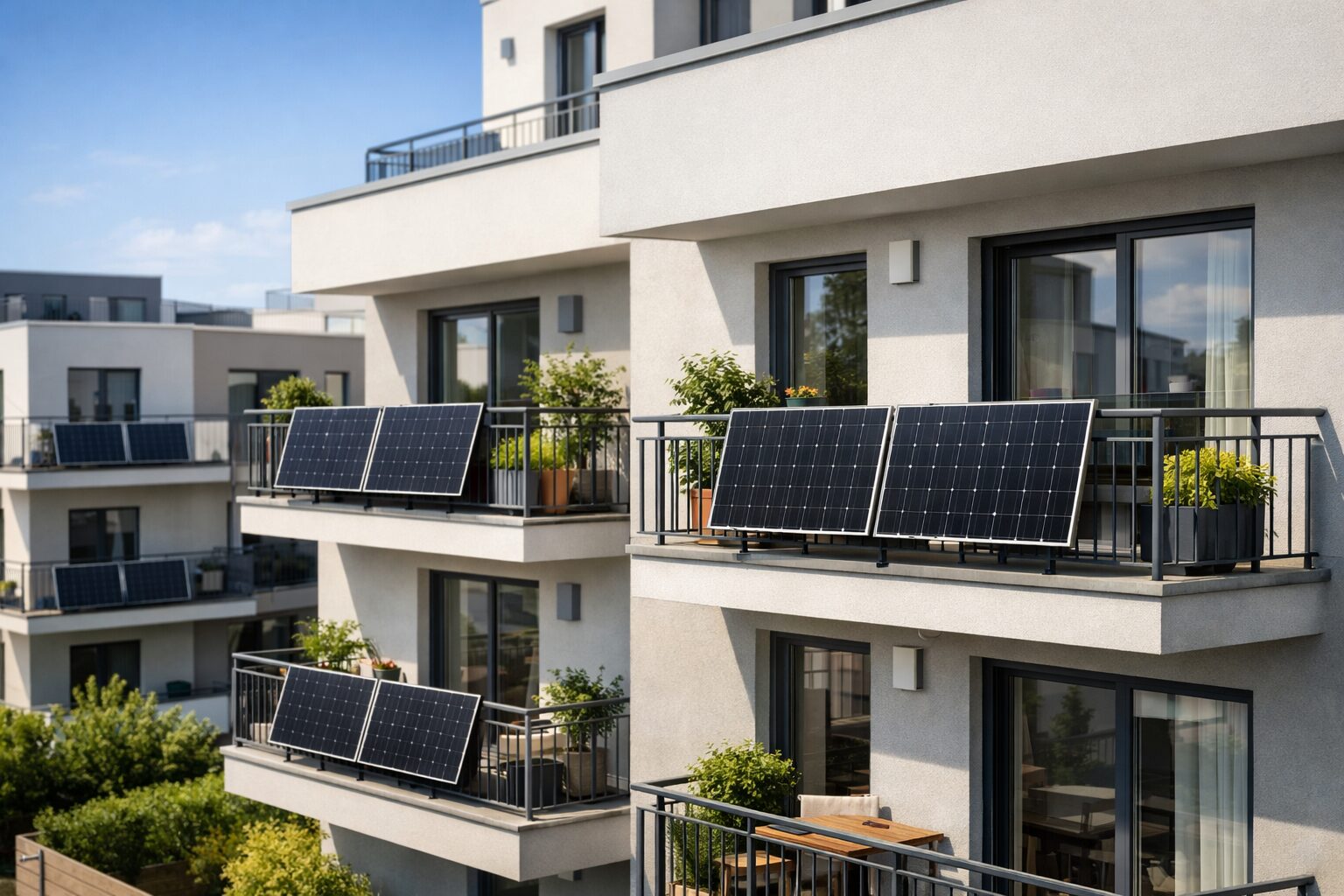
Step 1: Decide What You Want Solar to Actually Do
Before thinking about kilowatts and brands, it helps to answer a simpler question. What job do you want solar to do for your home?
Most people fall into one or more of these groups:
- Bill cutters: You want to reduce your electricity bill and protect yourself from future price rises.
- Self-reliance seekers: You want to use more of your own power and less from the grid, especially in the evenings.
- Space limited homeowners: You have a small or awkward roof and need to squeeze the most out of every panel.
- Renters, flat owners and balcony users: You cannot install a full roof system, but you still want some solar benefit.
Each of those goals maps to a different mix of panels, batteries and plug-in options, which is exactly what your four guides below cover.

Step 2: Understand the Four Main Solar Building Blocks
Think of your solar solutions as a toolkit, not a single product. The four key pieces are:
- High efficiency solar panels. Maximise power from limited roof space.
- Solar systems over 800W. Full home systems that can meaningfully cut bills.
- Solar batteries. Store energy for evenings, nights and peak price times.
- Plug-in solar power. Flexible, modular solar for balconies, walls and small spaces.
You do not have to buy everything at once. Many homes start with one or two of these and expand over time.
High efficiency panels are the right place to look if:
- Your roof is small, shaded, or has lots of features such as chimneys, dormers or Velux windows
- You live in a terrace or semi-detached with limited south facing area
- You want the best performance per square metre, not just the cheapest panel
By choosing higher efficiency TOPCon, HJT or back contact panels, you can:
- Hit the same system size, for example 4kW, with fewer panels
- Or fit more power into the same physical space
Below 800W, you are in the world of plug-in kits and small setups. Once you go above that, you are into full solar systems that can:
- Make a visible dent in your annual electricity bill
- Power a meaningful chunk of your daytime usage
- Feed surplus energy back to the grid if you have an export tariff
A typical UK family home system might be 3 to 4kW on a smaller roof, or 5 to 6kW on a larger detached home.
Your Solar Systems Over 800W page is where you can talk about:
- How system size relates to roof area
- What kind of savings to expect
- How inverters, mounting and wiring fit together
- When it makes sense to add a battery at the same time
Without a battery, solar is mostly a daytime benefit. You generate power when the sun is out, use what you can in real time, and export the rest. With a battery, you can:
- Store surplus solar from the day
- Use it in the evening when you are actually home
- Charge from cheap night time tariffs and avoid peak time prices
For many UK homes, the battery is what makes solar feel complete. It is the difference between paying a lot to the grid despite having solar, and genuinely using your own power when it matters most.
Your Solar Batteries guide is where you go deep on:
- How big a battery you actually need
- How long it can run typical loads
- How it works with different inverters and tariffs
Not everyone can or wants to install a full roof system. That is where plug-in solar comes in. Plug-in kits are ideal if:
- You live in a flat with a balcony or small outdoor space
- You are renting and cannot commit to a permanent roof install
- You want to start small, test solar in your life, and expand later
They plug into a normal socket within the current rules, can be mounted on balconies, walls or small frames, and often pair nicely with portable or indoor batteries.
Your Plug-In Solar Power guide is the place where you explain:
- How these systems work in the UK context
- What you can realistically power
- How to mount them safely and neatly
- How they can be a stepping stone to a bigger system later
Step 3: Match Your Home Type to the Right Solar Path
Different homes naturally lean toward different combinations of these four building blocks. Here is a simple way to frame it on the page.
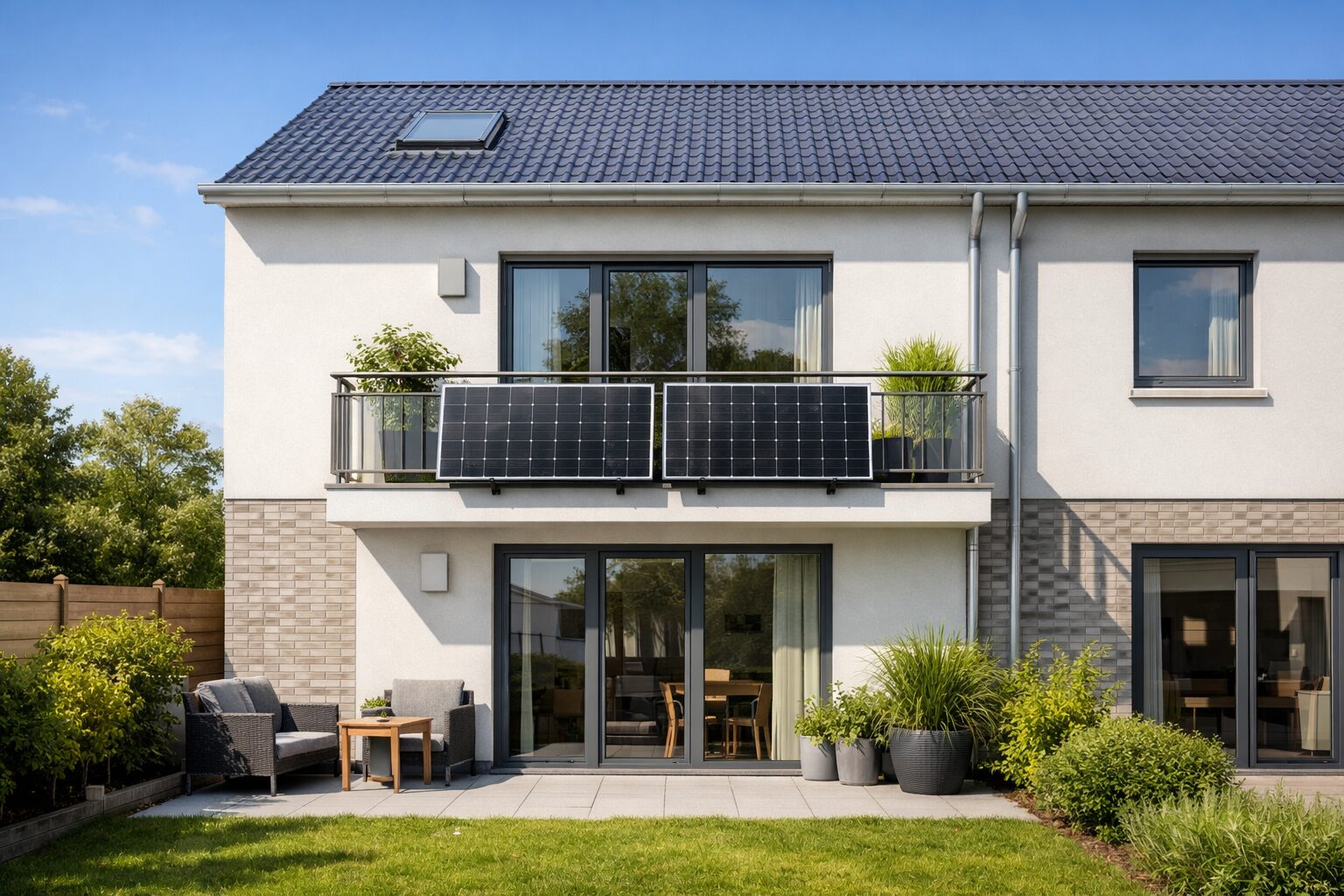
Terraced and Semi-Detached Homes
Challenge: limited roof space, chimneys, shading from neighbours.
- High efficiency panels
- A sensibly sized system over 800W
- A battery if budget allows
Here, the priority is getting the most out of every square metre.
That is why your High Efficiency and Over 800W pages are so important for this group.
Detached Homes With Good Roof Space
Challenge: choosing the right system size and battery, not running out of space.
- Solar systems over 800W
- Solar batteries
- Possibly a mix of orientations, east and west
These homes can often support 5 to 6kW or more, which means:
- Bigger savings potential
- More surplus to store in a battery
- More flexibility in how you use and schedule loads
Your Solar Systems Over 800W and Solar Batteries pages are the natural next clicks for this group.
Flats, Maisonettes and Rented Homes
Challenge: no control over the main roof, limited permissions.
- Plug-in solar power
- Portable or indoor batteries
- Small, modular setups that can move with you
Here, the goal is not to power the whole home. It is to:
- Offset some daytime usage
- Keep key devices running
- Learn how solar fits into your life without a major install
Your Plug-In Solar Power guide is the main route for these visitors, with Solar Batteries and Backup Power as optional extras if they want more resilience.
How These Pieces Work Together Over Time
One of the most important things to understand is that solar does not have to be all or nothing. Many households build up their system in stages.
- Generate free electricity during daylight hours
- Lowest cost way to get started with solar
- Reduces your grid usage during the day, even without storage
- Capture surplus daytime energy
- Shift usage into the evening
- Combine with off peak tariffs for extra savings
- Cover outbuildings, sheds or balconies
- Support a home office, garden room or backup setup
- Use batteries or generators to ride through outages
- Ties into your wider Backup Power and Home Power Options content
This long term view helps visitors see your Solar Solutions as a plan, not just a product list.
Solar, Tariffs and Smart Usage
Solar on its own is powerful. Solar plus the right tariff and habits is even better.
On this page, it is worth briefly explaining that:
- Daytime usage: Running washing machines, dishwashers and EV charging when the sun is out helps you use more of your own power.
- Off peak tariffs plus batteries: You can charge your battery overnight when electricity is cheap, then use that stored energy during peak times, even on cloudy days.
- Export tariffs: If your system is big enough, you can get paid for surplus energy you do not use or store.
From here, visitors are pointed to the relevant guides where those ideas are explored in more detail, especially Solar Batteries and Solar Systems Over 800W.

When Is Solar Worth It for a UK Home?
There is no single answer, but here is a realistic way to think about it. Solar is usually worth serious consideration if:
- Your electricity usage is medium to high
- You expect to stay in the property for several years
- You have at least some usable roof or outdoor space
- You are comfortable thinking in terms of a 5 to 10 year payback, not quick wins
For some, that means a full high efficiency system with a battery. For others, it might start with a plug-in kit and grow from there.
The job of this Solar Solutions page is not to push one route, but to:
- Explain the main building blocks clearly
- Help people recognise themselves in one of the scenarios
- Point them to the right detailed guide next
Need More Help? Have a Look at Our Guides
- Small roof or tricky shading? Go to the High Efficiency Solar Panels guide.
- Ready for a full system that cuts bills? Go to Solar Systems Over 800W.
- Want to use your own power in the evenings? Go to the Solar Batteries guide.
- In a flat, rented, or just want to start small? Go to Plug-In Solar Power.
Explore Our Power Guides
As an Amazon Associate, I earn from qualifying purchases. No additional costs are passed on to you. Read more here.