You Have More Home Power Options Than You Think
Generating your own electricity no longer means a roof full of panels and a five-figure contractor bill. Renters, flat owners and budget-conscious homeowners all have real options in 2026. This guide helps you find the right one for your property, your situation and your budget.
Plug-In Solar
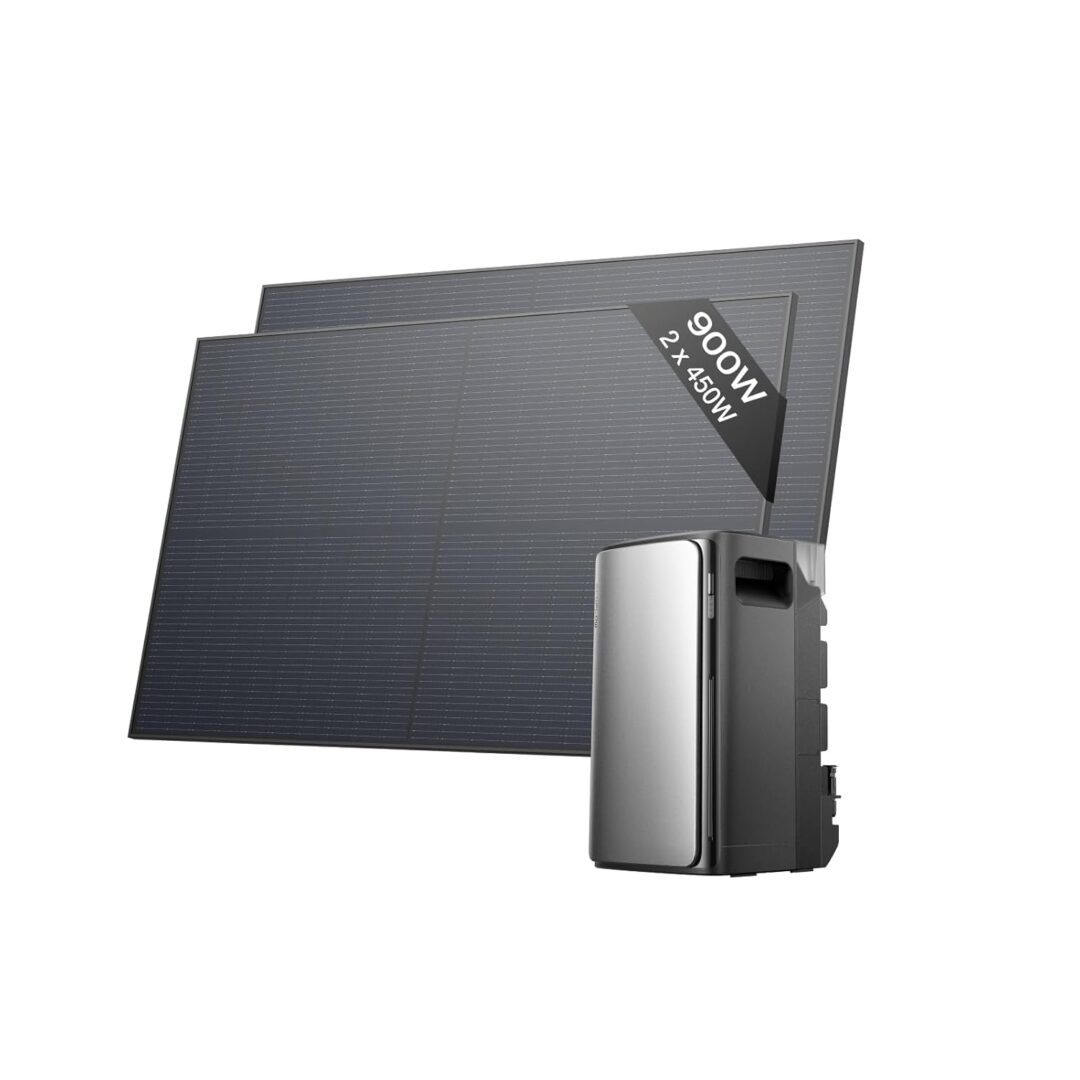
Plug-in solar panels mount to a balcony railing, garden fence or patio frame using simple brackets. A weatherproof cable connects the panels to a portable battery station or a dedicated solar battery. That battery then powers your appliances. Nothing connects to your ring main. Nothing requires an electrician. Nothing requires landlord permission for a freestanding setup.
This is a genuinely useful system right now. A single 400W panel in reasonable UK sunshine will generate 1 to 2 kWh on a good day. Over a year that adds up to several hundred kilowatt hours of free electricity for your home, charged into a battery and used whenever you need it.
Solar panels are zero-rated for VAT until March 2027. Buy quality hardware now and you are set up for the law change when it arrives.
July 2026 Update
When BSI certification arrives for UK plug-in systems, kits that meet the new standard will be able to connect to your wall socket legally, feeding electricity into your home circuit during daylight hours. If your kit meets the spec, you will simply plug it in. If you are buying now, choose hardware that is BSI ready.
Typical Cost
Single panel with portable battery up to a dual-panel system with dedicated storage.
Works Well For
- Renters and flat owners
- Anyone wanting to start small
- Properties without roof access
- Homeowners preparing for July 2026
Worth Knowing
- Plugging into your ring main is not yet legal
- Off-grid use only until July 2026
- Output depends on sunshine and panel angle
Solar Power Stations and Batteries
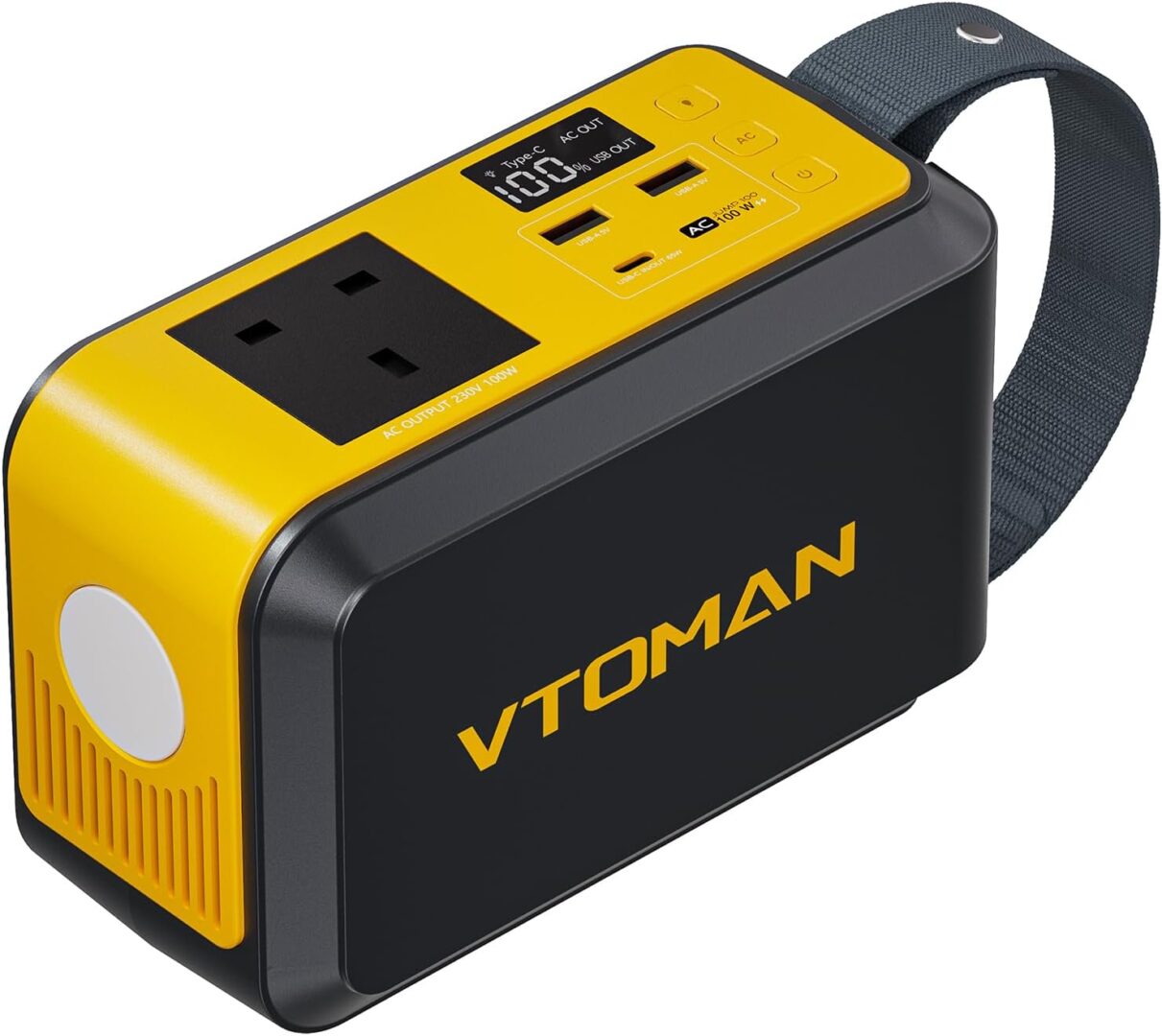
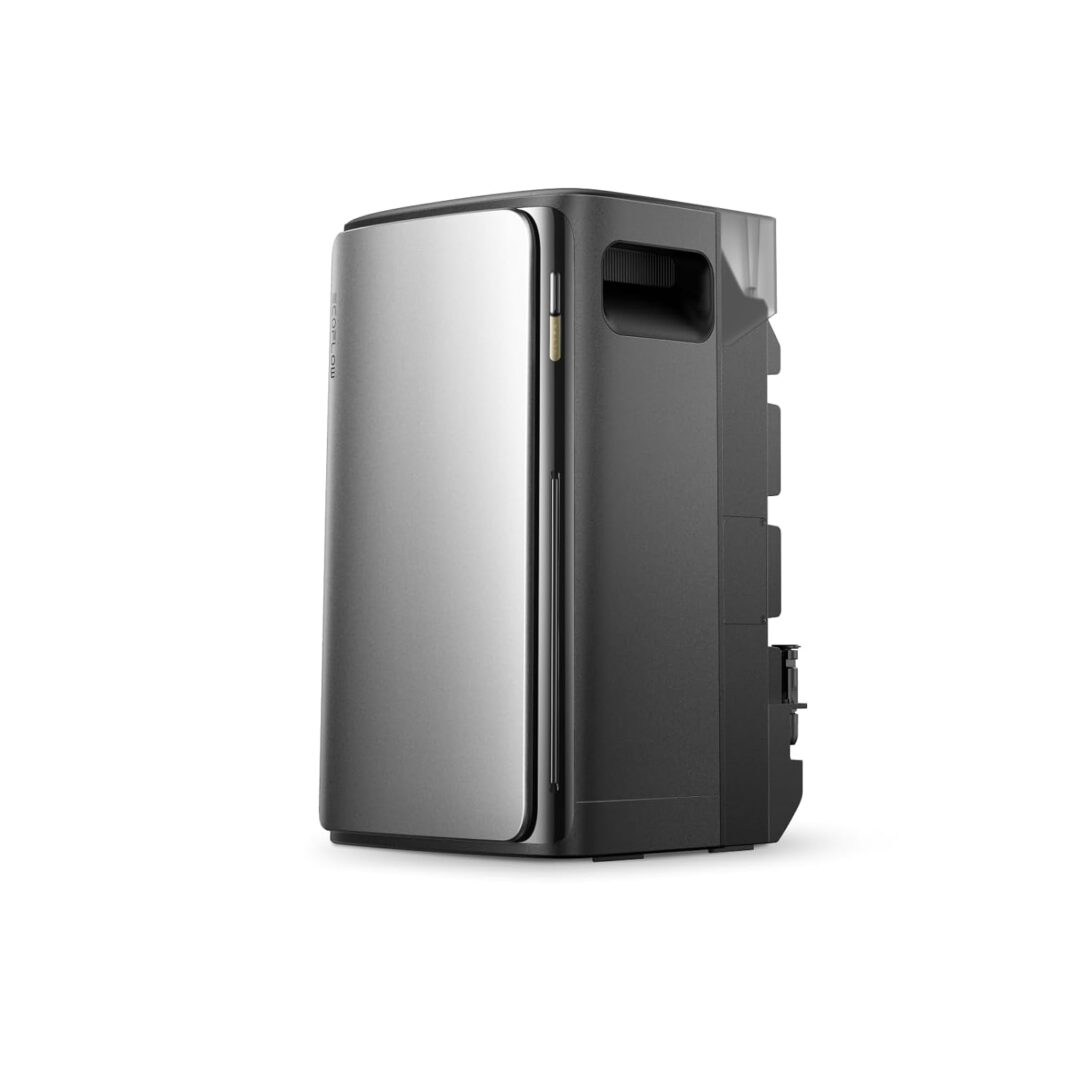
A solar power station or solar battery is a large rechargeable LiFePO4 unit that stores electricity for use whenever you need it. You can charge it from solar panels during the day, from a cheap overnight tariff like Octopus Go, or from a standard wall socket. When your expensive peak-rate electricity kicks in during the evening, you run from stored power instead of the grid.
Most units include a UPS function. If the power cuts, they switch to battery output in under 30 milliseconds. Your router stays on, your laptop keeps running, your medical device does not interrupt. No noise, no fumes, completely safe indoors.
The difference between a solar battery and a solar power station is mainly form factor. A solar battery typically connects to a fixed installation. A solar power station is portable and self-contained with sockets built in. Both qualify for zero VAT until March 2027.
Typical Cost
Compact 500Wh units up to high-capacity 2kWh plus stations with solar input.
Works Well For
- Anyone on a time-of-use tariff
- Pairing with plug-in solar panels
- Home backup during power cuts
- Renters and homeowners alike

Portable Power Stations
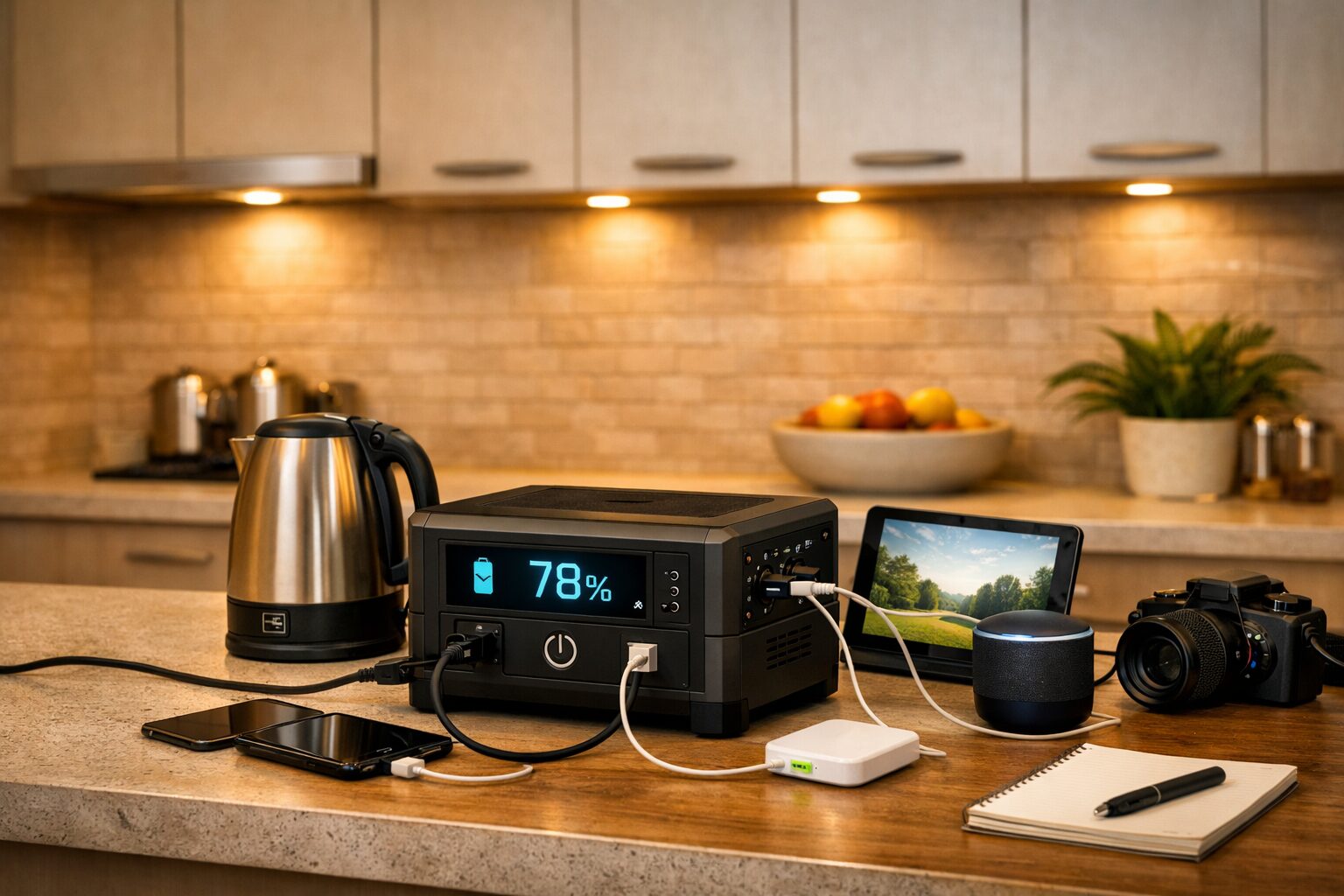
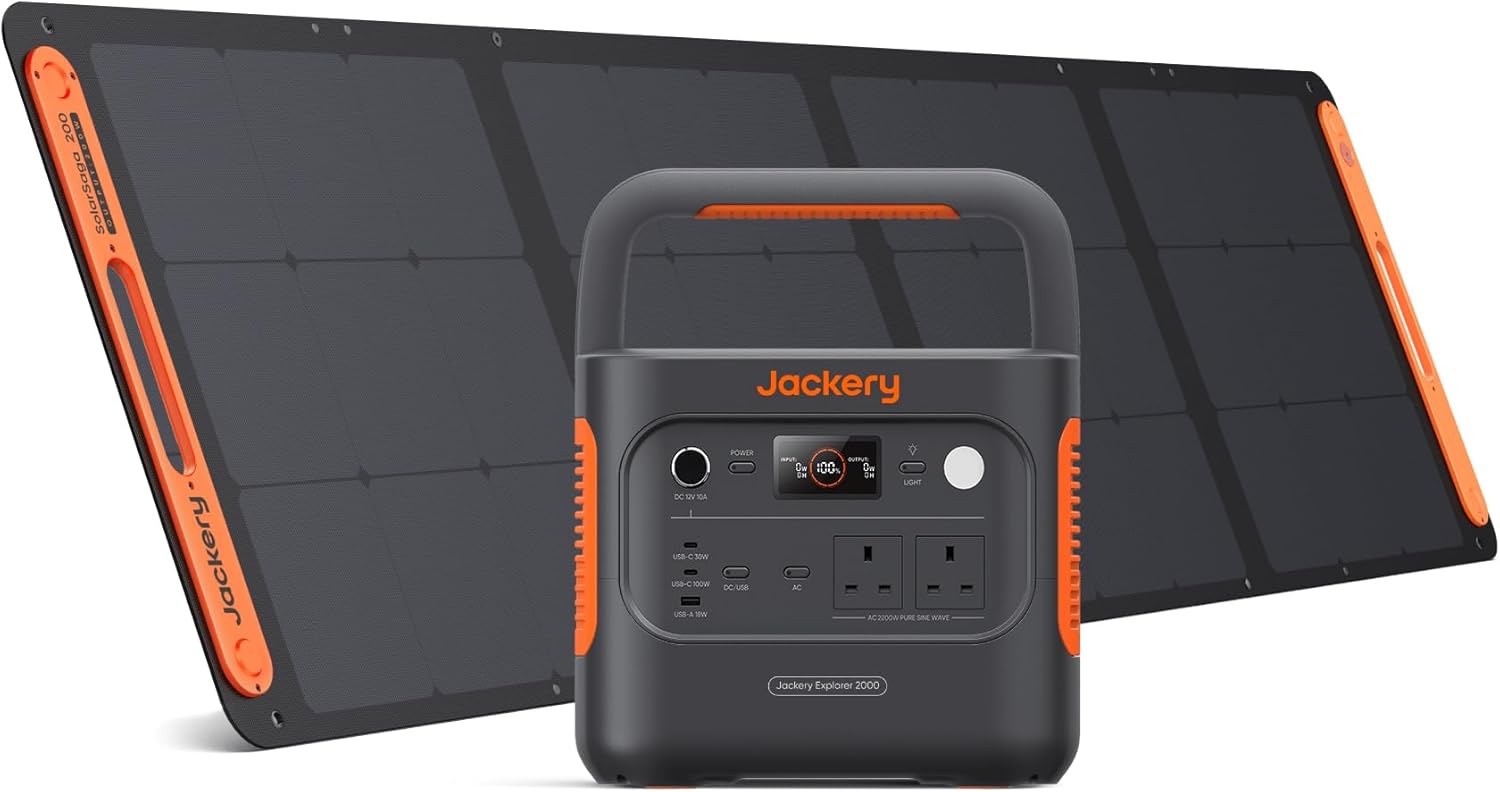
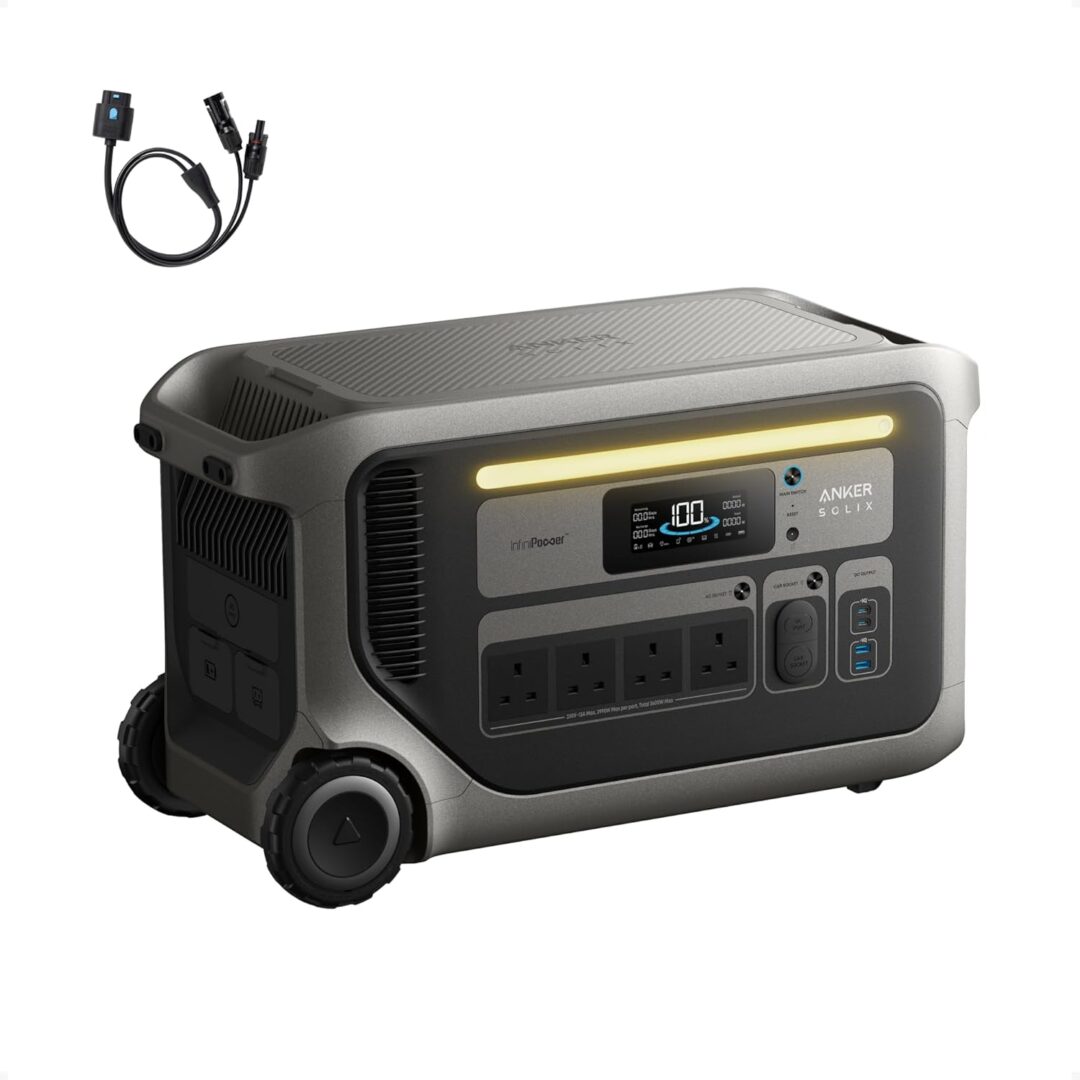
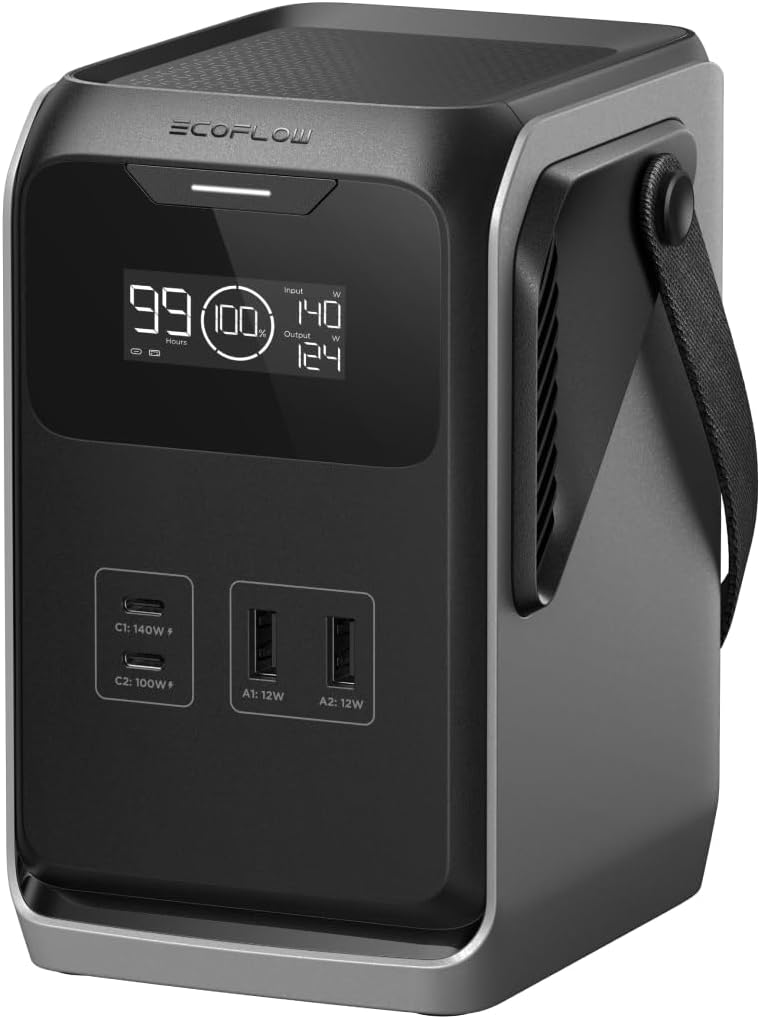
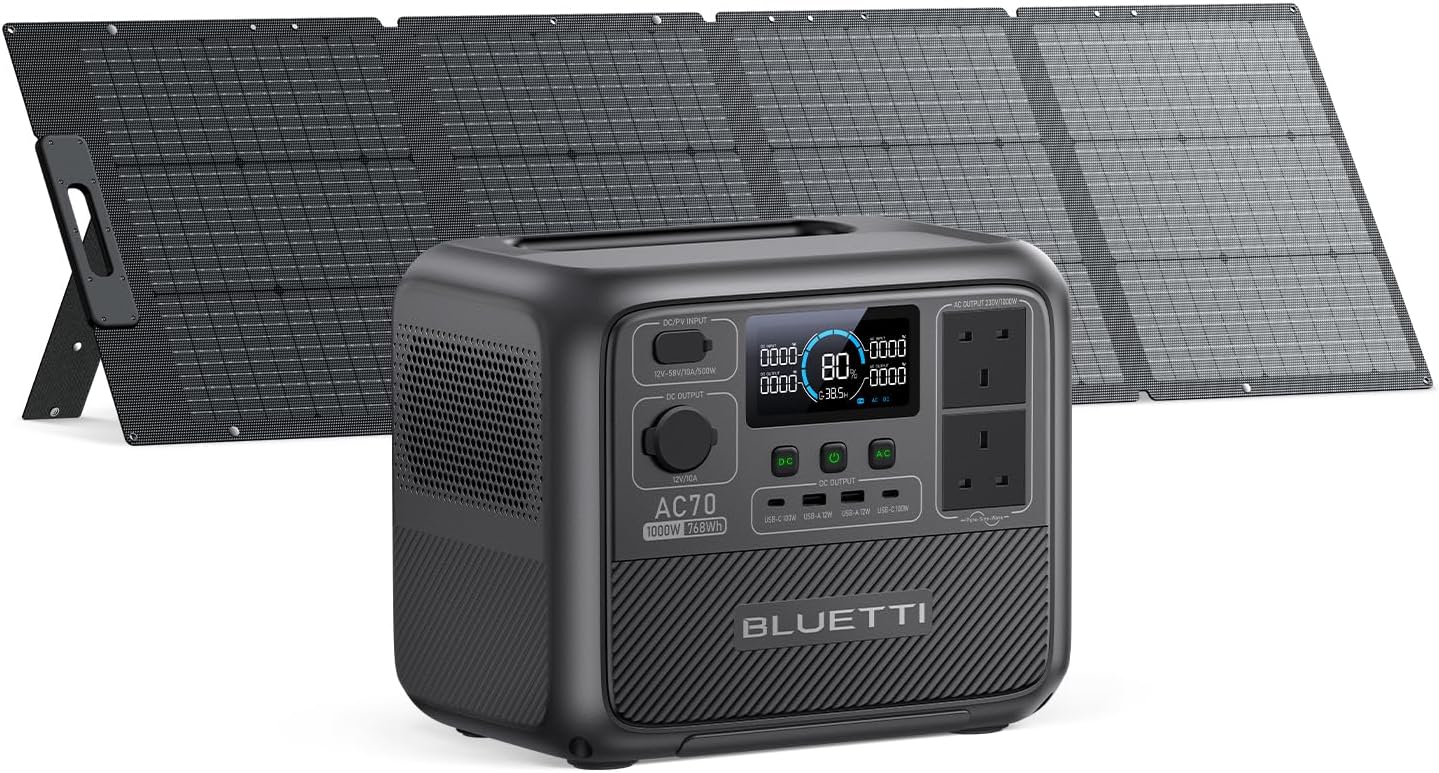
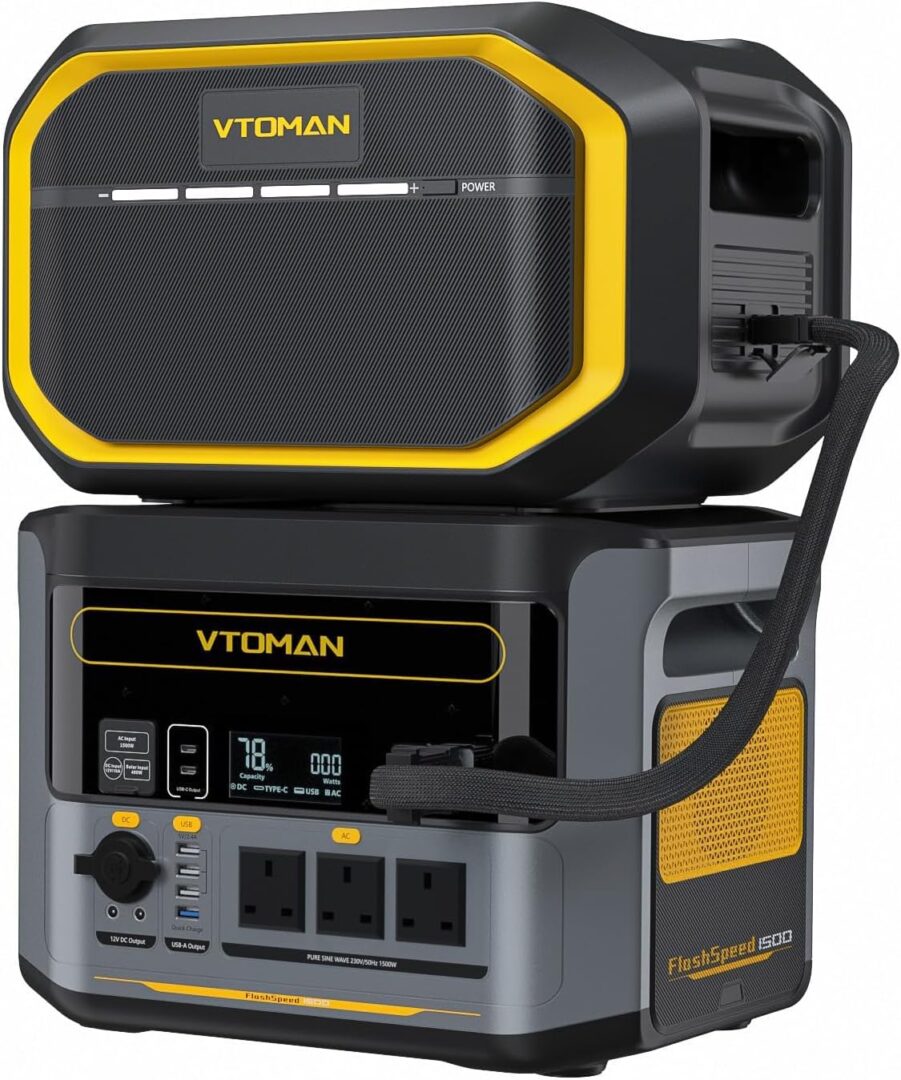
A portable power station combines a large battery, a pure sine wave inverter and multiple output sockets in one unit. Charge it from a wall socket, from solar panels, or from your vehicle. Use it to run standard UK appliances directly, as a silent UPS backup during power cuts, or as power wherever the grid does not reach.
The built-in inverter is the key difference from a basic battery. You can run your fridge, laptop, router or any standard plug-in appliance directly without any additional equipment. A 1kWh station runs a typical home office setup for a full working day, or keeps your fridge cold through an overnight power cut.
Portable power stations are classified as consumer electronics rather than energy storage hardware, so standard 20% VAT applies. Factor that into your budget comparison against solar batteries.
Typical Cost
200Wh camping units up to 2kWh plus whole-home backup stations.
Worth Knowing
- Standard 20% VAT applies
- Not designed for permanent installation
- Capacity reduces in very cold temperatures
Works Well For
- Power cut backup
- Motorhomes, boats and vans
- Garden workshops and outbuildings
- Anyone wanting a portable solution
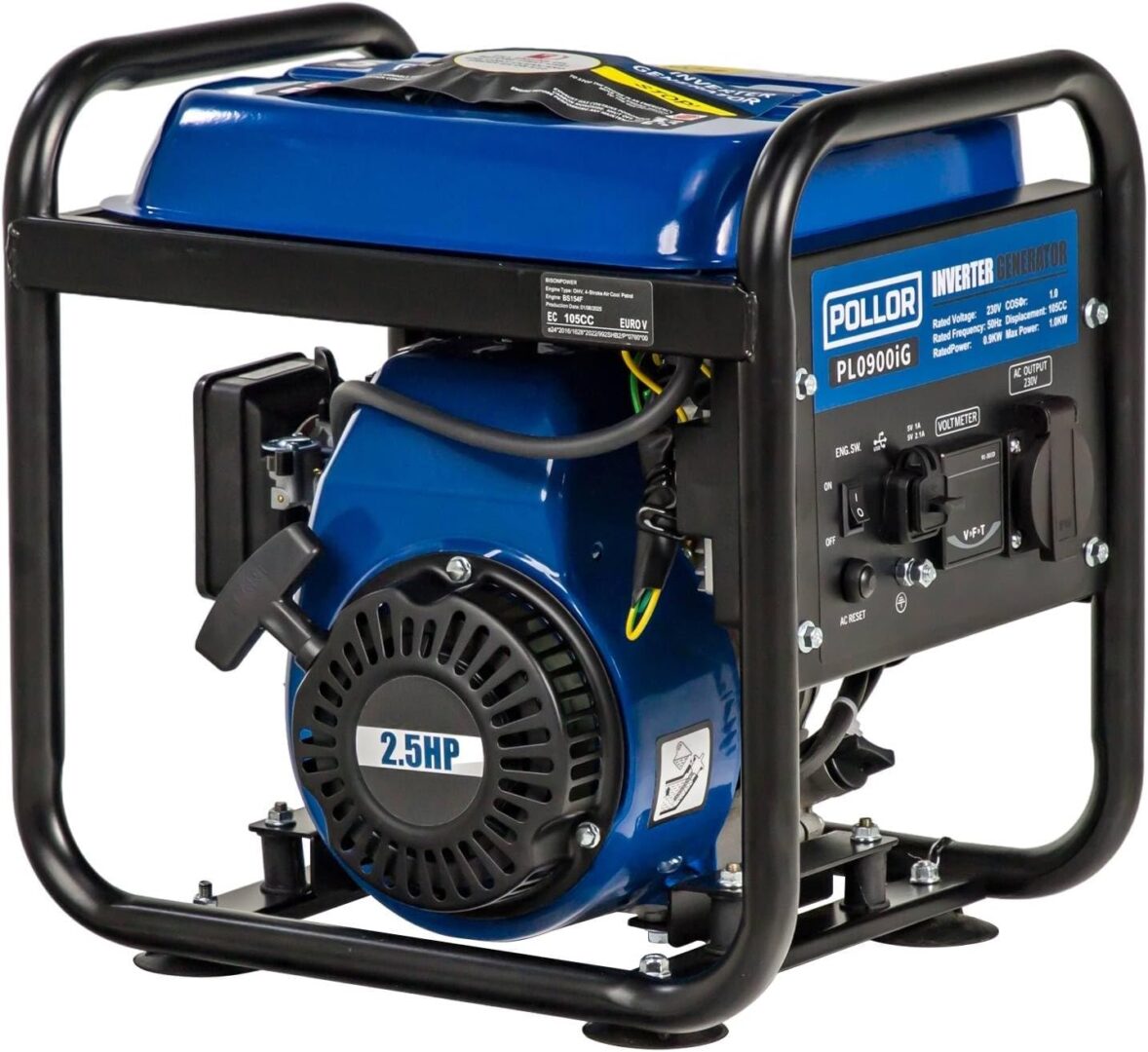
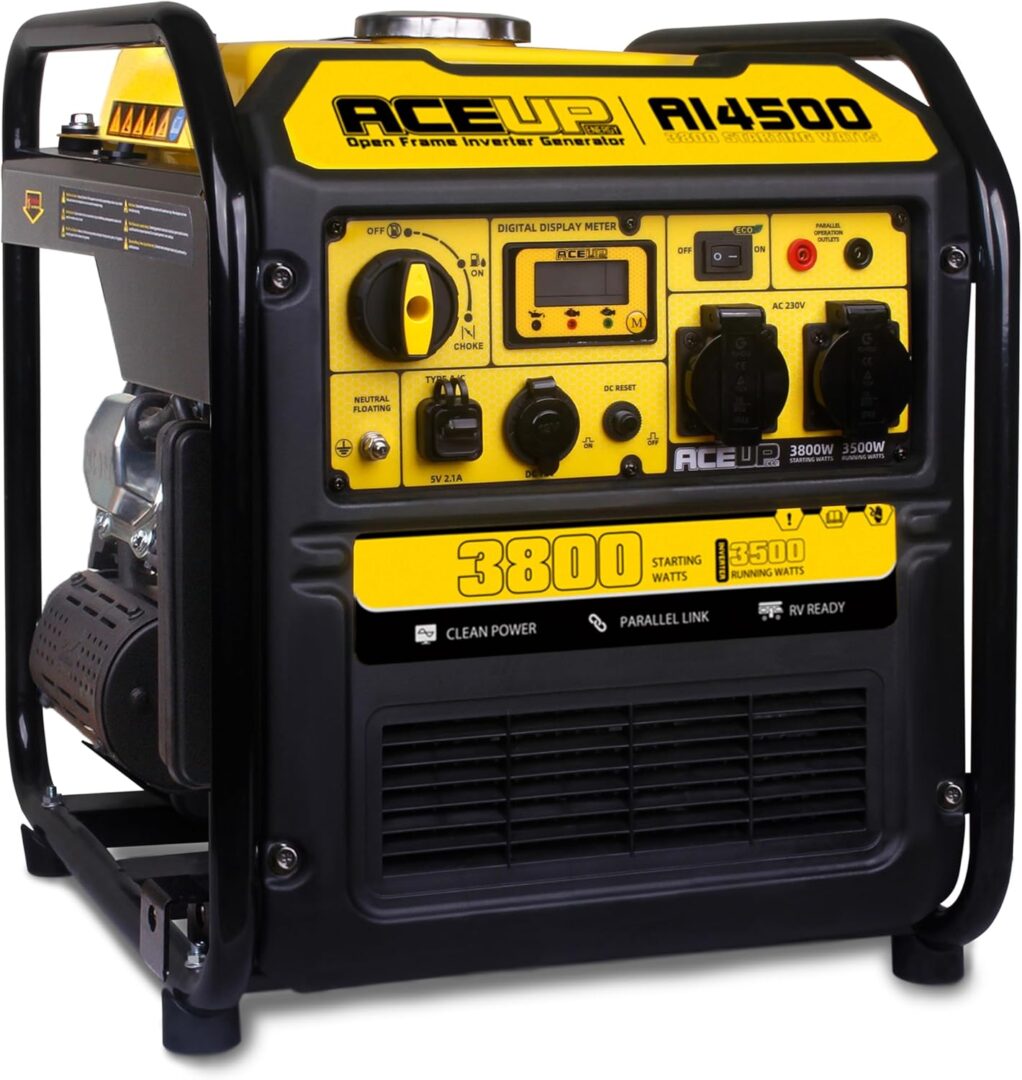
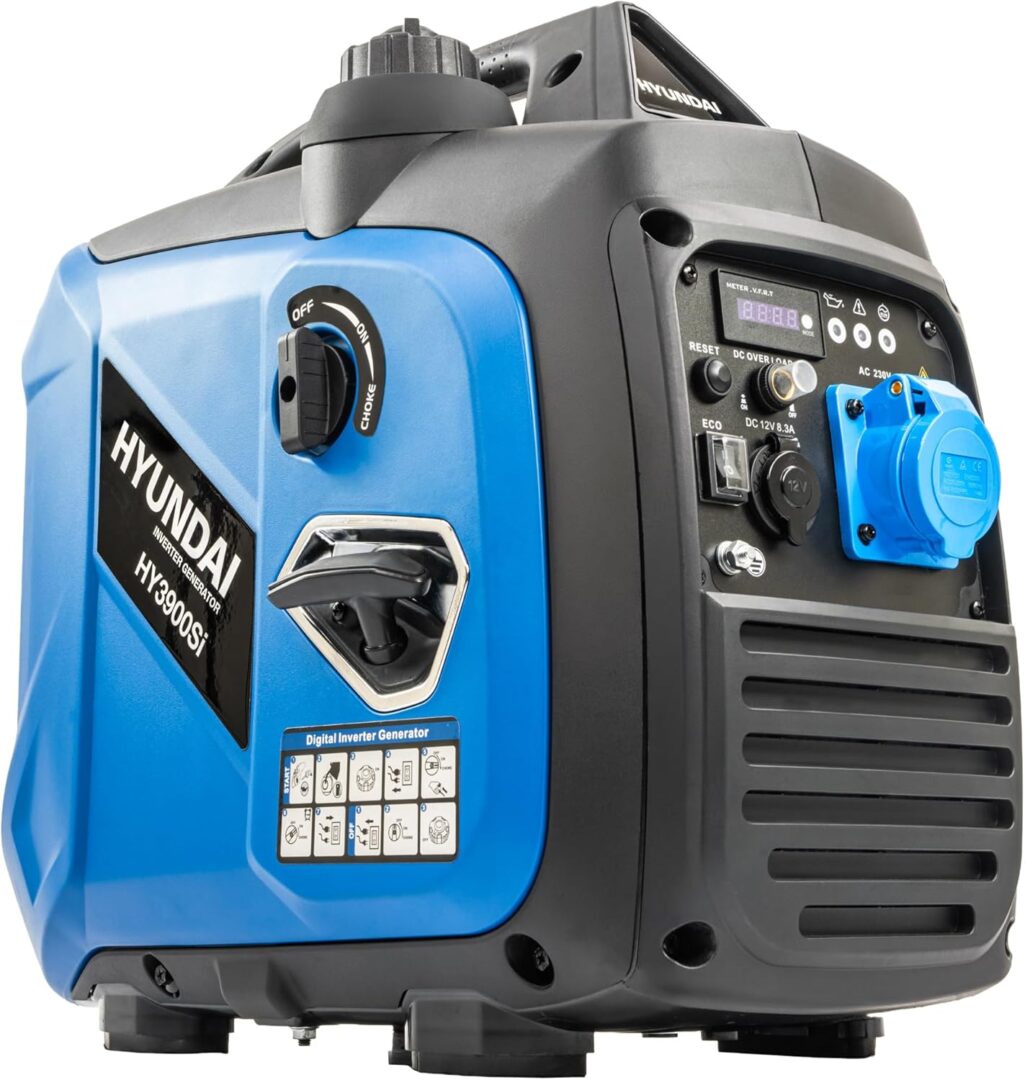
Inverter Generators
An inverter generator is a petrol powered unit that produces clean, stable electricity. Unlike an old-style open-frame generator, an inverter generator regulates its output electronically to produce pure sine wave power with very low harmonic distortion. That means it is safe for laptops, smart boilers, CPAP machines and any other sensitive electronics you need to run during an outage.
The engine speed varies automatically with the load. Under light loads it runs quietly and uses very little fuel. Under heavy loads it speeds up to meet demand. Quiet models at 58dB are genuinely suburban safe during daytime use. A tank of petrol will run a mid-range unit for eight to fourteen hours.
The critical safety rule: never run a petrol generator indoors. Carbon monoxide is odourless, colourless and lethal at high concentrations. Always run outdoors in open air, at least five metres from any window or door. Fit a CO detector inside your home before operating one nearby.
Typical Cost
900W camping units up to 8,000W whole-home units with automatic transfer switch.
Worth Knowing
- Outdoor use only. Never run indoors.
- Petrol degrades in storage after 30 days
- Regular monthly test runs essential
- Noise levels vary. Check dB rating before buying.
Works Well For
- Extended power outages
- Off-grid properties and cabins
- Topping up solar battery banks in winter
- Construction sites and workshops
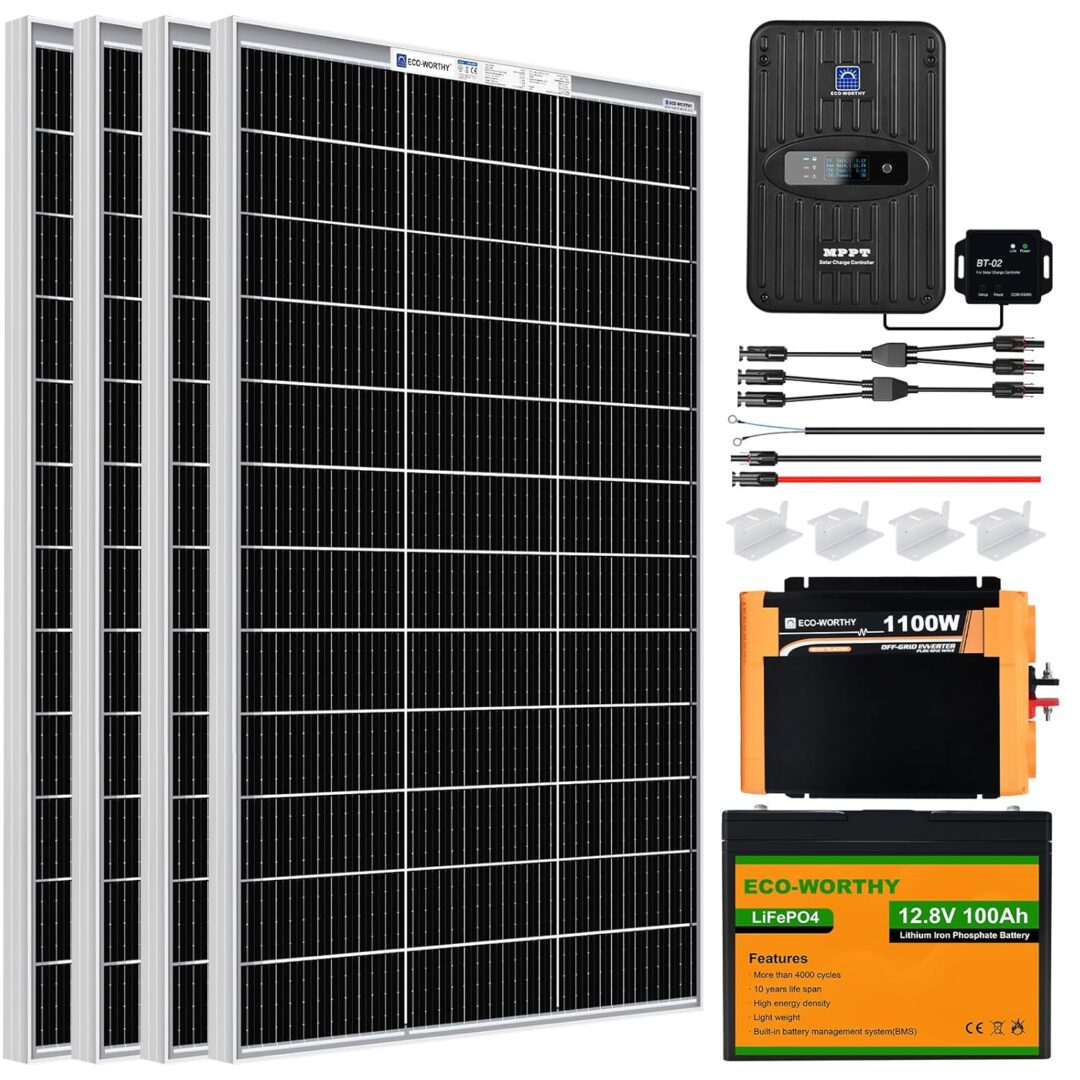
Solar Systems Over 800W
Once you go above 800W you need a qualified electrician to connect your system to a spare way on your consumer unit. That is typically a two-hour job. After that, a 1kW to 3kW solar array can run washing machines, dishwashers and home office equipment directly from the sun during daylight hours.
You buy the panels and inverter yourself online, mount them on a ground frame, shed roof or garage roof, and have the electrician make the final connection. The generation hardware qualifies for zero VAT until March 2027. That saving often covers the electrician cost outright.
Adding a 48V battery bank stores surplus generation for evening use and gives you whole-home backup when the grid goes down. This combination makes the biggest single difference to an annual electricity bill of any option on this page.
Typical Cost
1kW basic system up to a 3kW array with battery storage and hybrid inverter.
Works Well For
- Homeowners wanting serious savings
- Properties with garden or outbuilding space
- Whole-home backup with battery storage
- Anyone wanting long-term energy independence
Worth Knowing
- One qualified electrician visit required
- Not suitable for renters
- G98 notification to your DNO required
High Efficiency Solar Panels
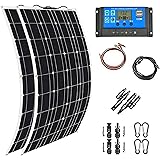
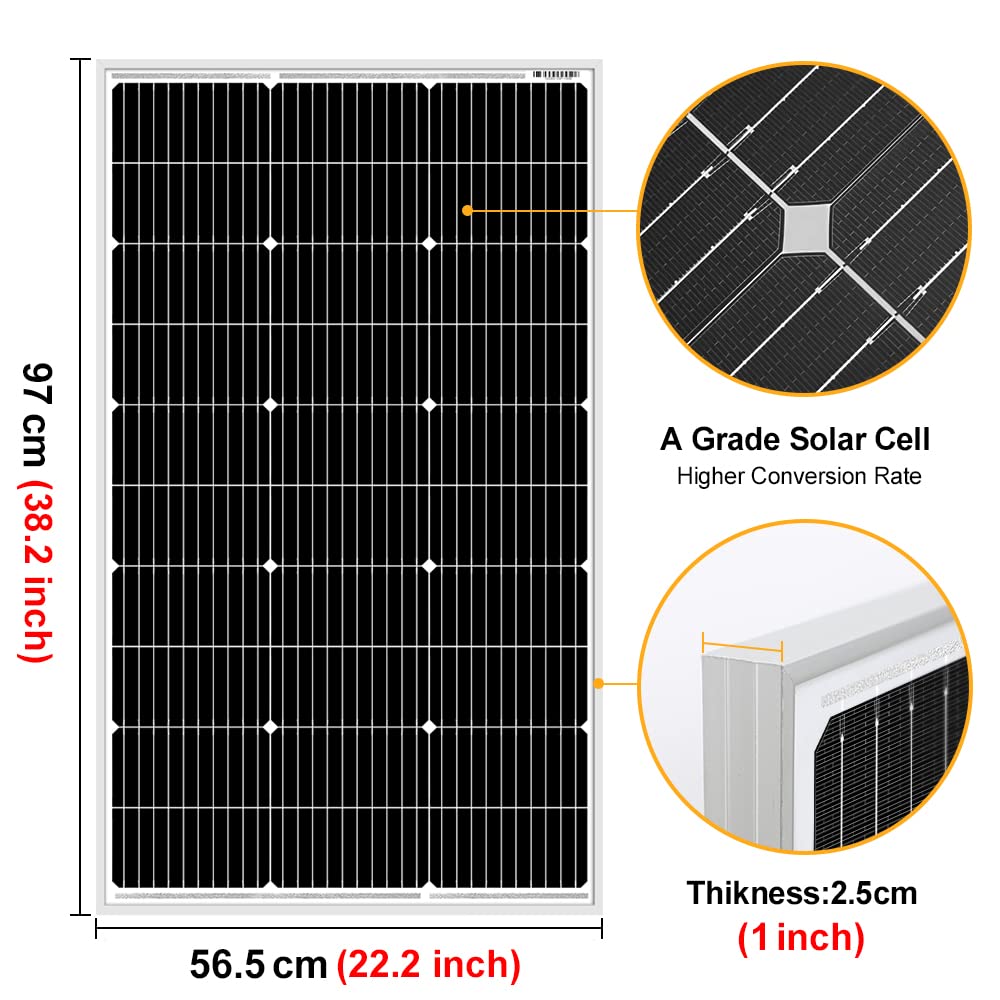
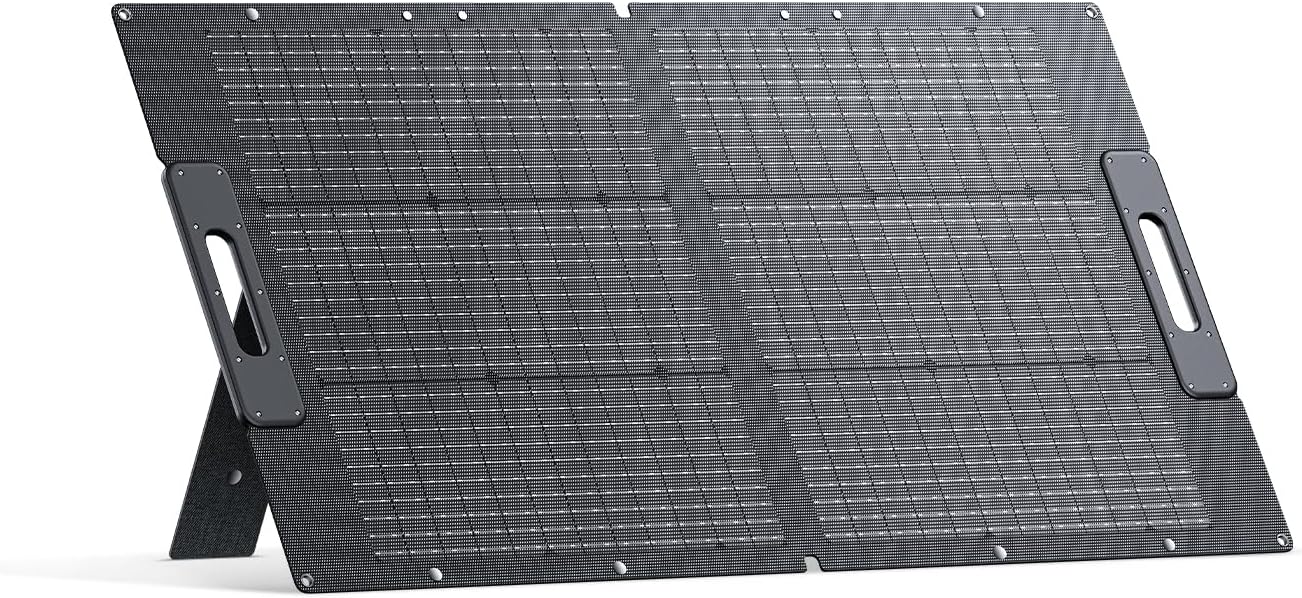
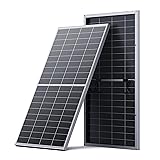
Individual solar panels can be bought and paired with any compatible battery system, charge controller or inverter. If you already have a battery bank or are building a system in stages, buying panels separately gives you more flexibility than a pre-packaged kit.
Modern monocrystalline panels convert 20 to 23 percent of available sunlight into electricity. That efficiency rating matters in the UK where winter sun angles are low. A high efficiency 400W panel in a south-facing position will out-produce a standard 400W panel in the same spot, particularly on overcast days.
Individual panels are zero-rated for VAT until March 2027. They also pair well with any of the other options on this page, from a portable power station to a full 48V battery bank.
Typical Cost
100W folding panels up to 400W rigid monocrystalline panels for permanent installation.
Works Well For
- Adding to an existing battery system
- Building a system in stages
- Shed, cabin and off-grid installations
- Motorhomes and narrowboats
Worth Knowing
- Needs a compatible charge controller
- Check panel voltage matches your system
- MPPT controllers give better output than PWM
Leisure and Chargeable Batteries
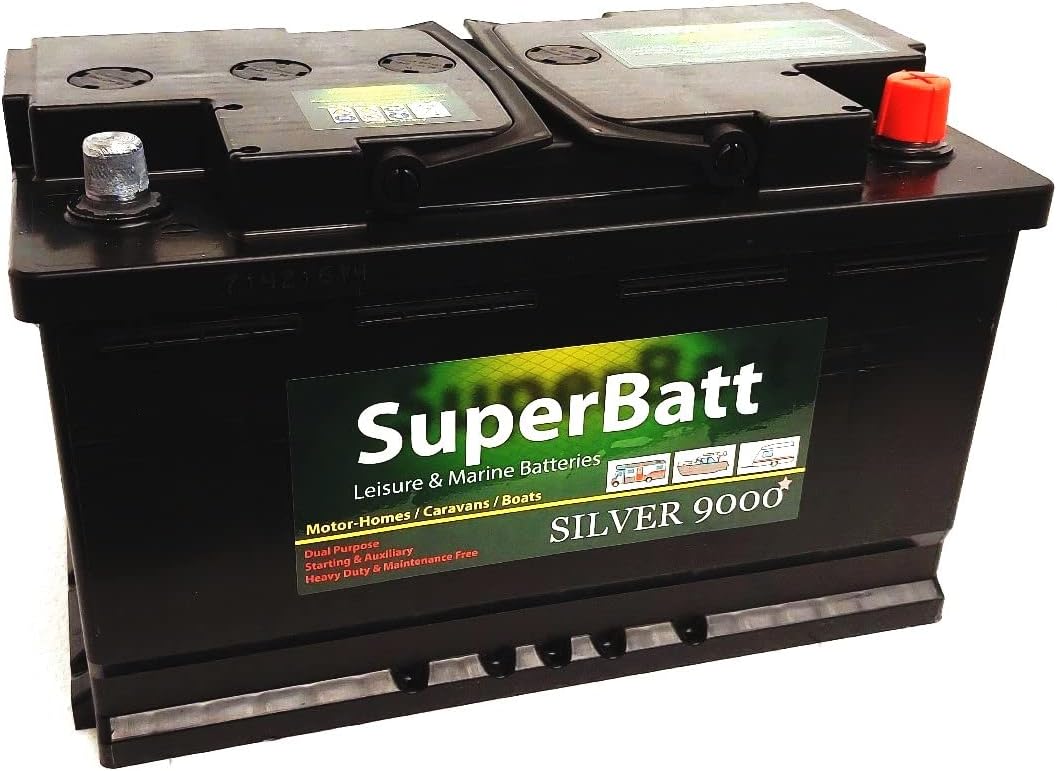
A leisure battery is a deep cycle battery built to be discharged slowly over hours and recharged repeatedly. It powers the habitation side of a motorhome, narrowboat or campervan continuously. Lights, heating controls, water pumps, fridges, USB charging and televisions all run from a well-sized leisure battery bank.
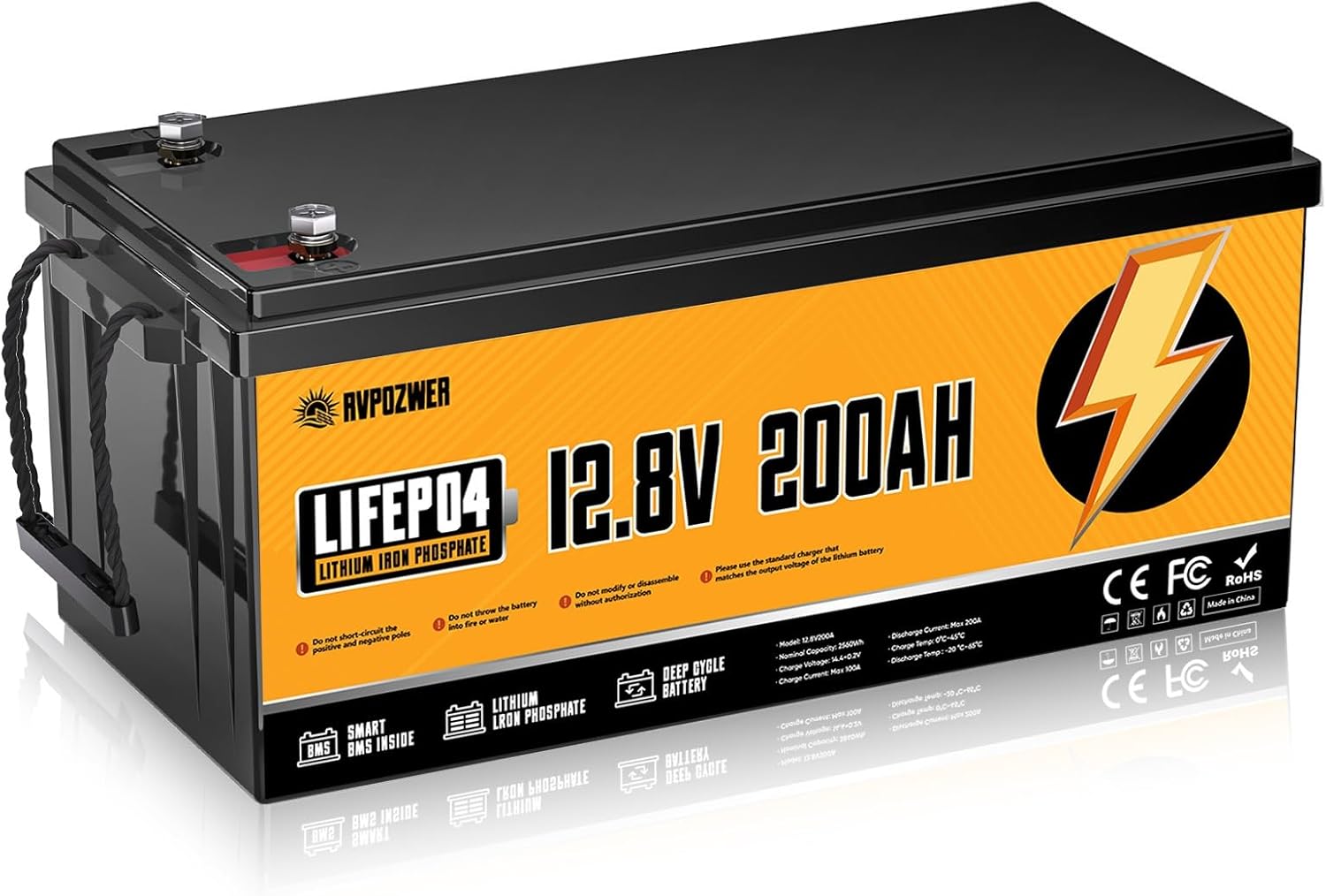
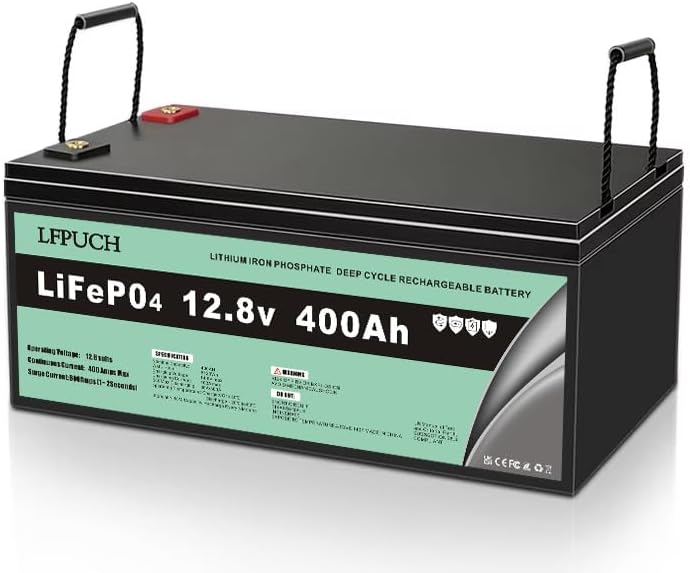
LiFePO4 is the right chemistry. It lasts five to ten times longer than AGM or lead acid, weighs half as much, and can be safely discharged to 80 to 100 percent of capacity. A quality 200Ah LiFePO4 battery will outlast most vehicles it is installed in.
The same batteries work equally well in garden sheds, off-grid cabins and any building without a mains connection. Pair one with a solar panel and an MPPT charge controller and you have a complete self-contained power system.
Typical Cost
100Ah entry level LiFePO4 up to 400Ah units with Bluetooth monitoring and low-temp protection.
Works Well For
- Motorhomes and campervans
- Narrowboats and sailing boats
- Off-grid sheds and cabins
- Replacing old AGM or lead acid
Worth Knowing
- Needs a compatible charger or MPPT controller
- Low-temp protection needed for UK winters
- 12V suits most setups. 48V for larger systems.